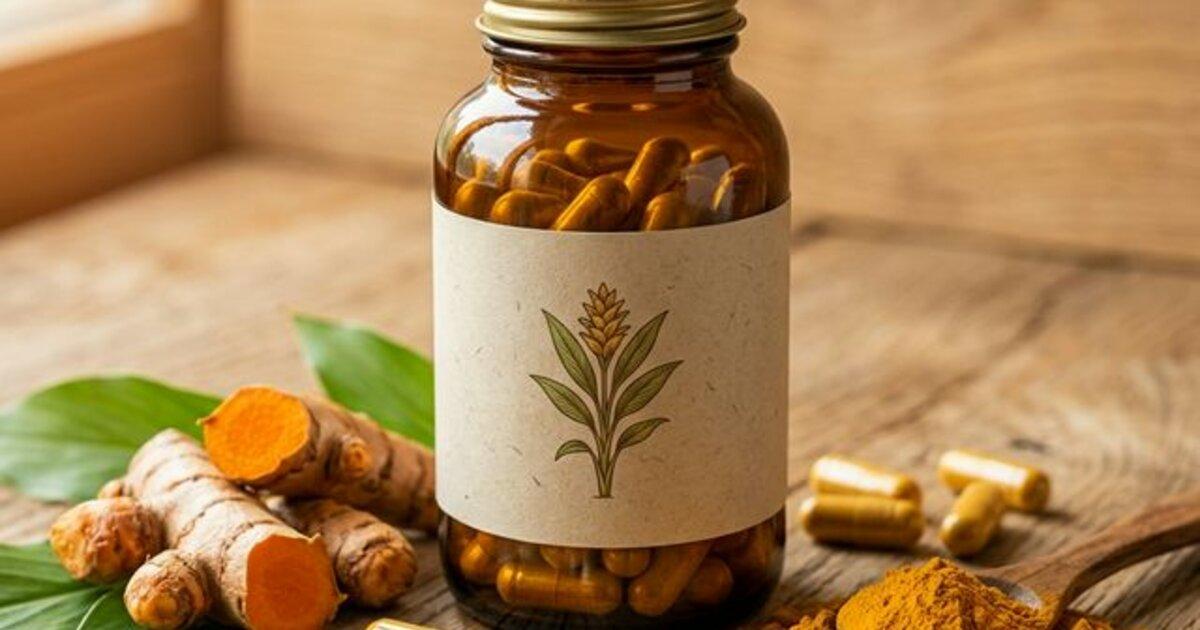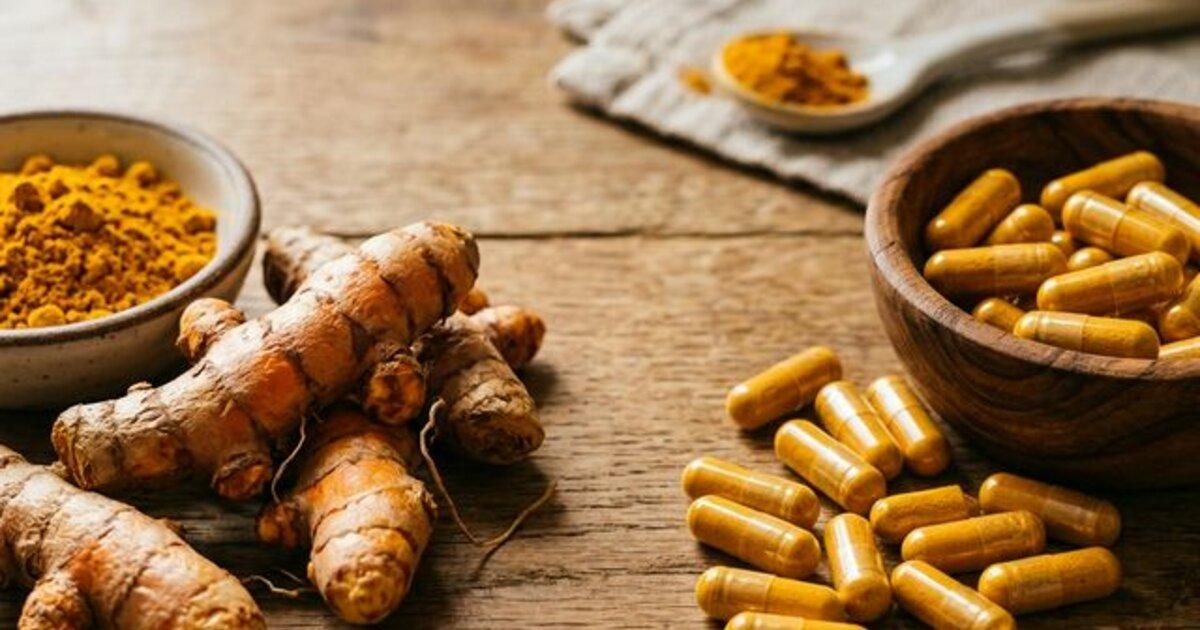
Curcumin extract (95% curcuminoids, with piperine, phytosome like Meriva, or liposomal) is the right choice for therapeutic effects: joint pain, chronic inflammation, exercise recovery. Whole turmeric powder is only 2-5% curcumin and poorly absorbed, fine for cooking and gentle daily wellness but cannot match the clinical doses used in osteoarthritis trials. Pro tip: piperine also enhances absorption of medications. If you take prescription drugs (especially blood thinners or diabetes meds), consult your doctor before using piperine-containing curcumin.
This content is for informational purposes only and is not a substitute for professional medical advice, diagnosis, or treatment. Always consult your physician or qualified healthcare provider before starting any supplement regimen.
Turmeric and curcumin are often used interchangeably, but they are not the same thing. Understanding the distinction is essential because it directly determines whether the supplement you are taking will actually deliver anti-inflammatory benefits — or whether you are essentially paying for an expensive spice capsule.
Here is the critical difference and which one you should choose.
Turmeric: Overview
Turmeric (Curcuma longa) is a golden-yellow root in the ginger family, used for centuries in cooking and traditional Ayurvedic medicine. The raw root and powdered spice contain hundreds of bioactive compounds, but the most studied are the curcuminoids — which make up only about 2–5% of turmeric by weight.
Key Benefits
- Whole-Root Synergy: Turmeric contains volatile oils (turmerones), fiber, and other compounds that may work synergistically with curcuminoids.
- Culinary Use: Turmeric powder is a flavorful addition to meals, providing modest anti-inflammatory benefit through regular dietary use.
- Gentle and Broad-Spectrum: Whole turmeric supplements are well-tolerated and provide a wider range of plant compounds, even if the curcumin concentration is low.
Typical Dosage
1,000–3,000 mg of turmeric root powder per day (providing roughly 30–100 mg of curcuminoids).
Curcumin: Overview
Curcumin is the primary active curcuminoid extracted and concentrated from turmeric. It is responsible for most of the anti-inflammatory and antioxidant effects demonstrated in clinical research. Because curcumin has notoriously poor bioavailability on its own, modern supplements pair it with absorption enhancers.
Key Benefits
- Potent Anti-Inflammatory: Curcumin inhibits NF-kB, a molecule that activates inflammatory genes in cells. Multiple randomized trials show it significantly reduces markers of inflammation like CRP and IL-6.
- Joint Health: A 2014 meta-analysis found curcumin was as effective as ibuprofen for reducing knee osteoarthritis pain, with fewer side effects.
- Antioxidant Power: Curcumin neutralizes free radicals directly and also boosts the body's own antioxidant enzymes (superoxide dismutase, catalase).
Typical Dosage
500–1,500 mg of curcumin extract per day, ideally in a formulation with enhanced bioavailability (piperine, liposomal, or phytosome technology).
Head-to-Head Comparison
| Factor | Turmeric (Whole Root) | Curcumin (Extract) |
|---|---|---|
| Curcuminoid content | 2–5% | 95% (standardized extract) |
| Anti-inflammatory potency | Mild | Strong — clinically significant |
| Bioavailability | Low (curcuminoids are poorly absorbed) | Low alone, but greatly enhanced with piperine (~2,000%) or liposomal delivery |
| Clinical evidence | Limited for whole root | Extensive — hundreds of RCTs |
| Synergistic compounds | Contains turmerones, fiber | Typically isolated curcuminoids only |
| Joint pain relief | Modest | Comparable to ibuprofen in some trials |
| Cost (30-day supply) | $8–$15 | $15–$35 |
| Ease of use | Can be added to food | Capsule form, taken with meals |
| Best For | Culinary use, mild daily support | Targeted anti-inflammatory and antioxidant therapy |
The Verdict
Choose Curcumin Extract if you are supplementing for a specific purpose — reducing joint pain, managing chronic inflammation, or supporting recovery from exercise. Look for a product standardized to 95% curcuminoids and enhanced with piperine (black pepper extract) or formulated as a phytosome (like Meriva) or liposomal preparation for dramatically improved absorption.
Choose Whole Turmeric if you are looking for gentle, general wellness support and enjoy adding it to your diet. Whole turmeric is fine for cooking and mild daily use, but it simply does not deliver enough curcuminoids to match the clinical effects seen in curcumin extract studies.
Pro tip: If you take curcumin with piperine, be aware that piperine also enhances the absorption of many medications. Consult your doctor if you are on prescription drugs, especially blood thinners or diabetes medications.
Track Your Choice
Anti-inflammatory supplements show their full effect over weeks of consistent use. Use Supplement Tracker to log your daily curcumin or turmeric dose, and track joint comfort and inflammation markers over time to gauge your response.