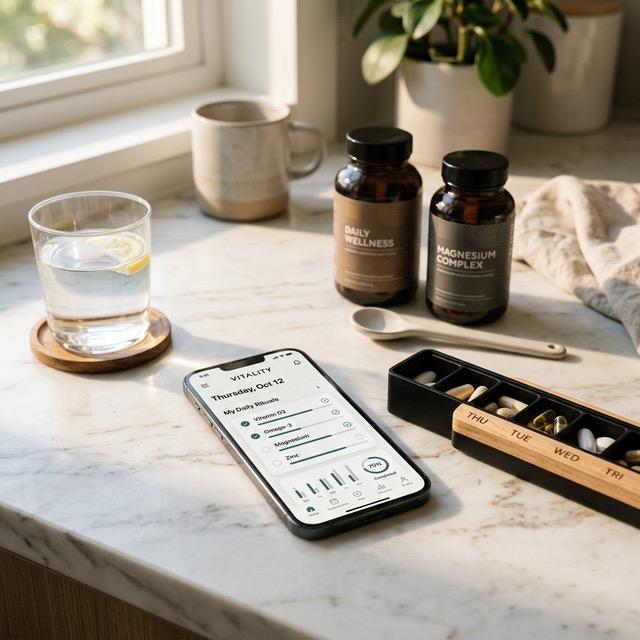
Most healthy adults eating a varied diet do not need a multivitamin: any single nutrient you are low on is better addressed with a targeted supplement. Multivitamins make sense for restrictive diets (vegan, low-calorie), pregnancy (folate, iron), older adults (B12, D, magnesium absorption declines), and people with malabsorption conditions. Avoid mega-dose B6 (over 100 mg/day, neuropathy risk) and excess iron in formulas for men. Methylated forms (methylfolate, methylcobalamin, P5P) are better than synthetic. Do not substitute for actual food.
When building a supplement stack, the most common first step for beginners is buying a multivitamin. It seems logical: cover all your nutritional bases in one convenient pill. But the age-old question remains: do you really need a multivitamin?
For some, it's a non-negotiable insurance policy against dietary gaps. For others, particularly those with highly dialed-in diets, it might just be creating "expensive urine." Let's dive deep into the pros and cons of daily multivitamins to help you decide if it deserves a spot in your routine.
The Case For Multivitamins (The Pros)
1. The Ultimate Nutritional Insurance Policy
Even if you eat a whole-food, nutrient-dense diet, modern agriculture has led to soil depletion, meaning the spinach you eat today may have fewer vitamins than the spinach your grandparents ate. A high-quality multivitamin acts as an insurance policy to fill these small micronutrient gaps.
2. Convenience and Cost-Effectiveness
If you were to buy every individual vitamin and mineral found in a multivitamin separately, your supplement cabinet would be overflowing, and your wallet would be empty. Taking one or two capsules daily is incredibly convenient.
3. Support During Increased Demand
Your body requires more nutrients during times of high stress, intense physical training, illness, or pregnancy. A daily multivitamin can help meet these temporarily elevated metabolic demands when your diet alone falls short.
If you're still deciding which app to trust with your routine, our guide to the best supplement tracker apps compares the leading options honestly.
The Case Against Multivitamins (The Cons)
1. Suboptimal Dosages for Specific Deficiencies
If you have a clinical deficiency in Vitamin D or Magnesium, a multivitamin will rarely contain an effective therapeutic dose to fix the problem. They are designed for general maintenance, not targeted correction.
2. The Problem of Nutrient Competition
Your body can only absorb so much at once. When you take a pill packed with 20+ different minerals and vitamins, they compete for absorption. For instance, calcium can inhibit the absorption of iron. Zinc and copper also compete for the same receptor sites in the gut.
3. Poor Quality Ingredients
Many cheap, big-box-store multivitamins use the least bioavailable forms of nutrients because they are cost-effective to manufacture. (For example, using magnesium oxide instead of highly absorbable forms like glycinate—read our guide on Magnesium Glycinate vs Citrate).
So, Do You Need One?
The answer is highly individual.
You probably DO need a multivitamin if:
- You are eating in a caloric deficit (cutting weight) and eating fewer whole foods.
- You follow a restrictive diet (e.g., strict veganism) that naturally lacks B12, Iron, or Zinc.
- You have digestive issues that inhibit nutrient absorption.
- You are incredibly busy and relying heavily on processed or fast foods.
You might NOT need a multivitamin if:
- You eat a highly diverse diet comprised primarily of whole foods, plenty of colorful vegetables, and quality proteins.
- You prefer building a targeted, individualized morning supplement stack based on bloodwork results.
The Takeaway
A multivitamin is a fantastic "foundation," but it should never be viewed as a band-aid for a poor diet.
If you choose to take one, invest in a high-quality brand that uses methylated B-vitamins and bioavailable minerals. And no matter what you decide to take, remember that consistency is key. Using a tool to track your supplements consistently will help you figure out what actually makes a difference in your energy levels and overall well-being.