Tips, guides, and insights on supplements, vitamins, and building healthy daily routines.
Dozens of supplement tracker apps promise to keep you consistent, but most do one thing well. Here's an honest comparison of the best options for 2026.
Can you take creatine with coffee or caffeine? Compare loading and one-time caffeine studies, digestive tolerance, label details, and a practical routine log.
Fish oil is absorbed best with a meal that has fat, and for ethyl ester capsules the meal matters most. What studies show on timing, burps, and splitting doses.
Breakfast suits most B-complex products, but niacin flushing, B12 with metformin and biotin before blood tests change the answer. A per-vitamin timing guide.
Struggling with a big vitamin? Lean forward for capsules, use the pop-bottle method for tablets, and learn which pills you should never crush, split or open.
Clear out unwanted vitamins safely: check what take-back sites accept, use the coffee-grounds trash method, and keep iron pills away from children and pets.
Plan how to pack vitamins and supplements for a flight, separate pills from liquids and powders, and check screening and destination rules before travel.
Zinc can cause nausea, especially when a supplement does not suit your stomach. Check the elemental dose, overlapping products, food instructions, and symptoms.
Coffee can reduce non-heme iron absorption when taken with a meal or iron tablet. Learn what causes the effect, who should care, and why a two-hour gap helps.
Ashwagandha and iron have no known direct interaction, but timing, thyroid medication, and liver health change the answer. How to combine them safely.
Magnesium citrate relieves constipation by pulling water into the bowel. The capsule dose, the liquid bottle dose, how long each takes, and who should skip it.
NAC boosts glutathione and supports lung and liver health, but timing and smell surprise users. Learn the real evidence, safe dosages, and how to cycle it.
The best time to take ashwagandha depends on the goal: morning for daytime stress, night for sleep, with food if your gut objects. Consistency beats the clock.
Beta-alanine can improve high-intensity exercise, but the tingling surprises many users. Learn what it does, who benefits, how to dose it, and when to skip it.
Most adults miss the choline target. Who actually needs a capsule, which form to buy, how much is in an egg, pregnancy dose, and the bitartrate label trap.
Do vitamins expire? What the date on the bottle really means, why gummies, oils and probiotics need extra care, how to store them, and when to replace.
Low magnesium can cause fatigue, weakness, cramps, and abnormal heart rhythms. Learn who is at risk, which tests help, and how food and supplements fit.
The best time to take magnesium depends on the goal: night for sleep, with food if your gut objects, and split if the dose is large. Form still beats the clock.
Zinc and magnesium can share a dose at typical amounts. High zinc is the real conflict. Here is the timing, the ZMA evidence, copper, and a nightly stack.
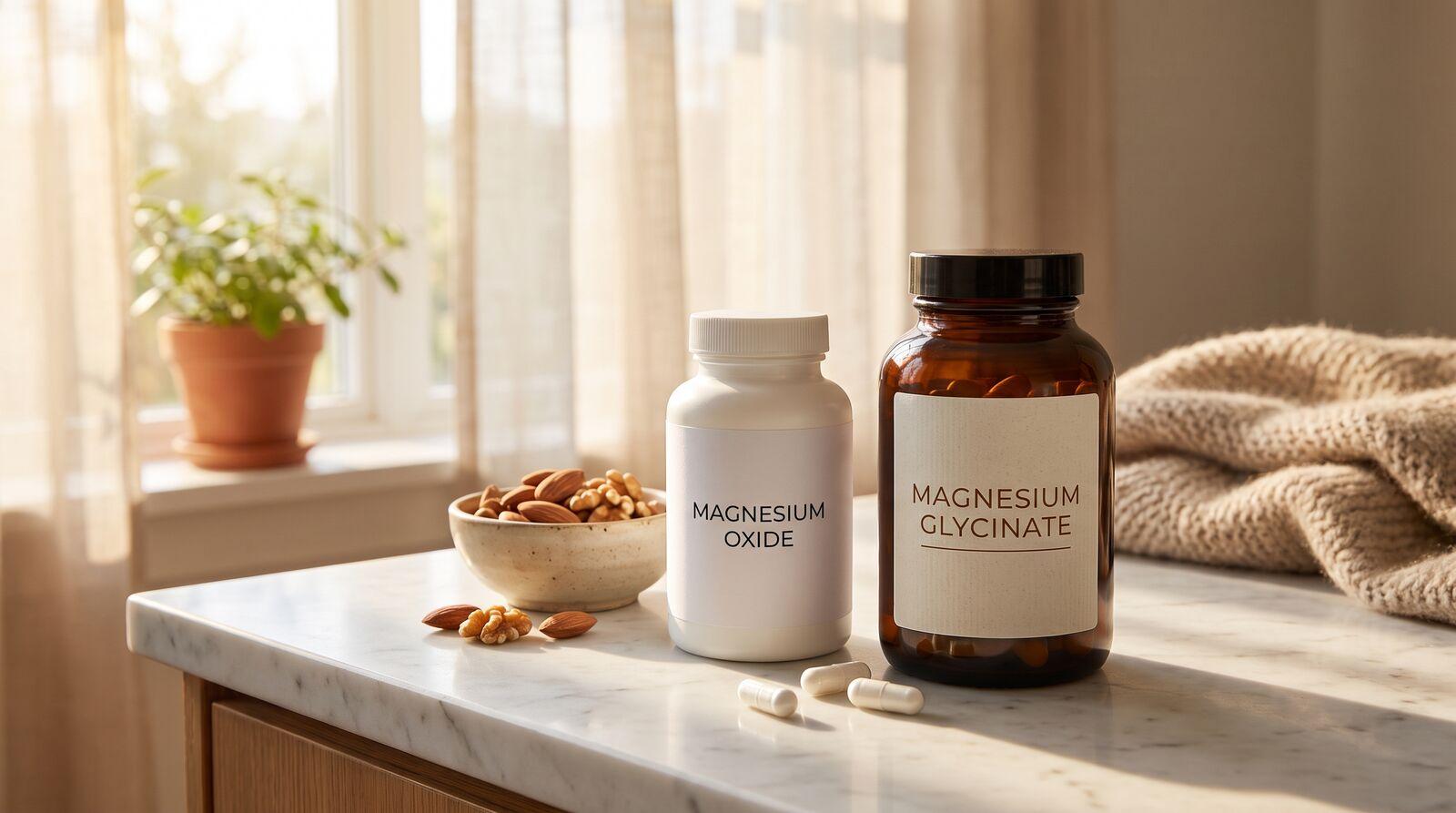
Magnesium oxide packs the most magnesium per pill, but your body absorbs only a fraction. When oxide still makes sense, and when glycinate earns its price.
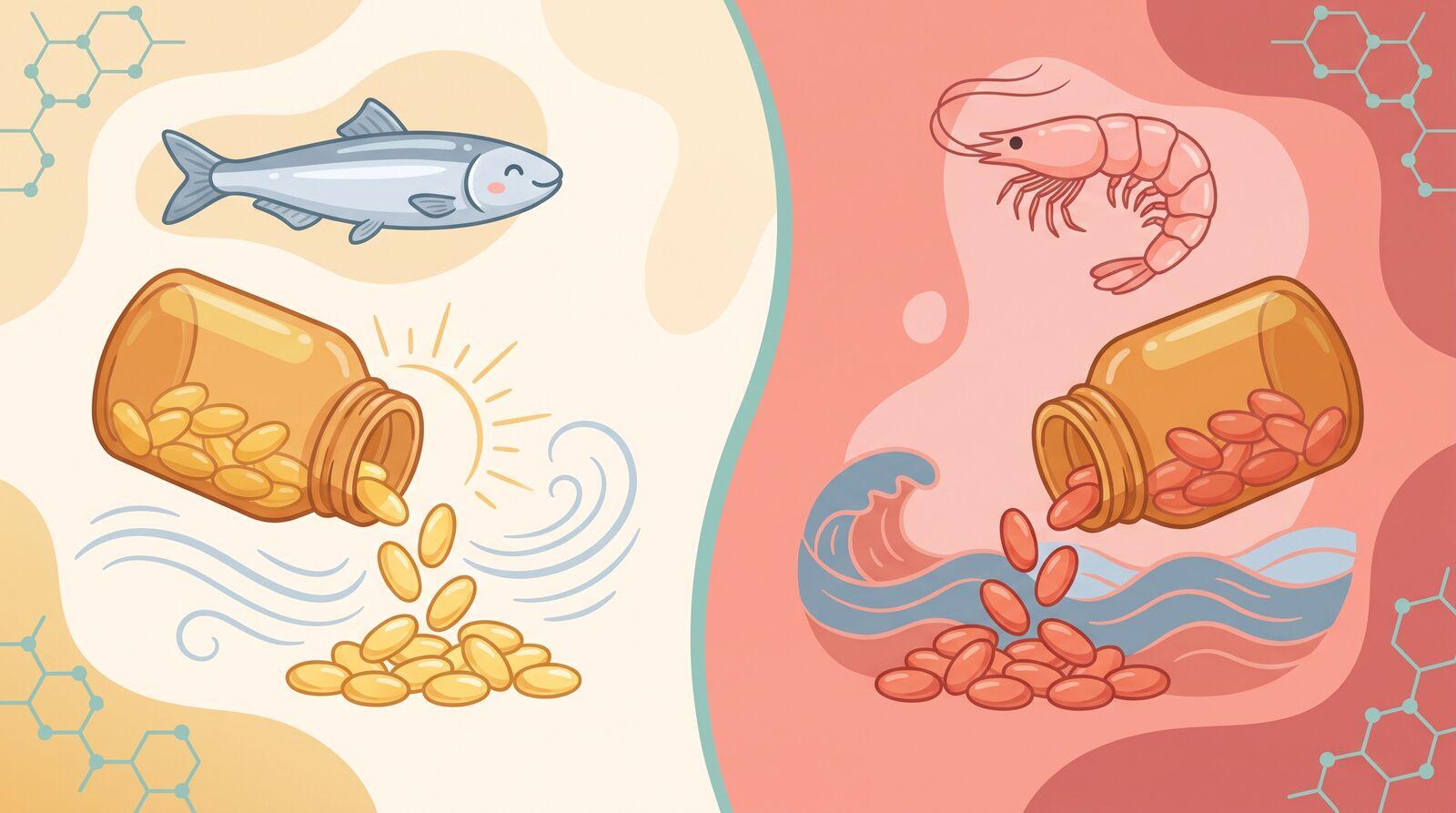
Krill oil costs several times more than fish oil for the same omega-3s. An honest look at the absorption claims, astaxanthin, and which one deserves your money.
Which supplements actually help your heart? An honest look at omega-3s, psyllium fiber, plant sterols, CoQ10, and red yeast rice, plus what to skip and why.
Tongkat ali and ashwagandha have real trial data. Fadogia and tribulus have none. Here is what the evidence supports and what actually raises testosterone.
Alcohol drains thiamine, folate, magnesium, and zinc, and clashes badly with sedating and liver-loaded supplements. Here is what to skip and what really helps.
Magnesium L-threonate is sold for memory, focus, and sleep. Review the human evidence, elemental dose, side effects, cost, and how it compares with glycinate.
Plain capsules have almost no calories and will not break a fast. Gummies, collagen, and protein powder will. Here is what to take fasted and what to move.
Liver cleanse supplements promise to detox an organ that detoxes itself. Here is what milk thistle, NAC, and TUDCA really do, and the risk nobody advertises.
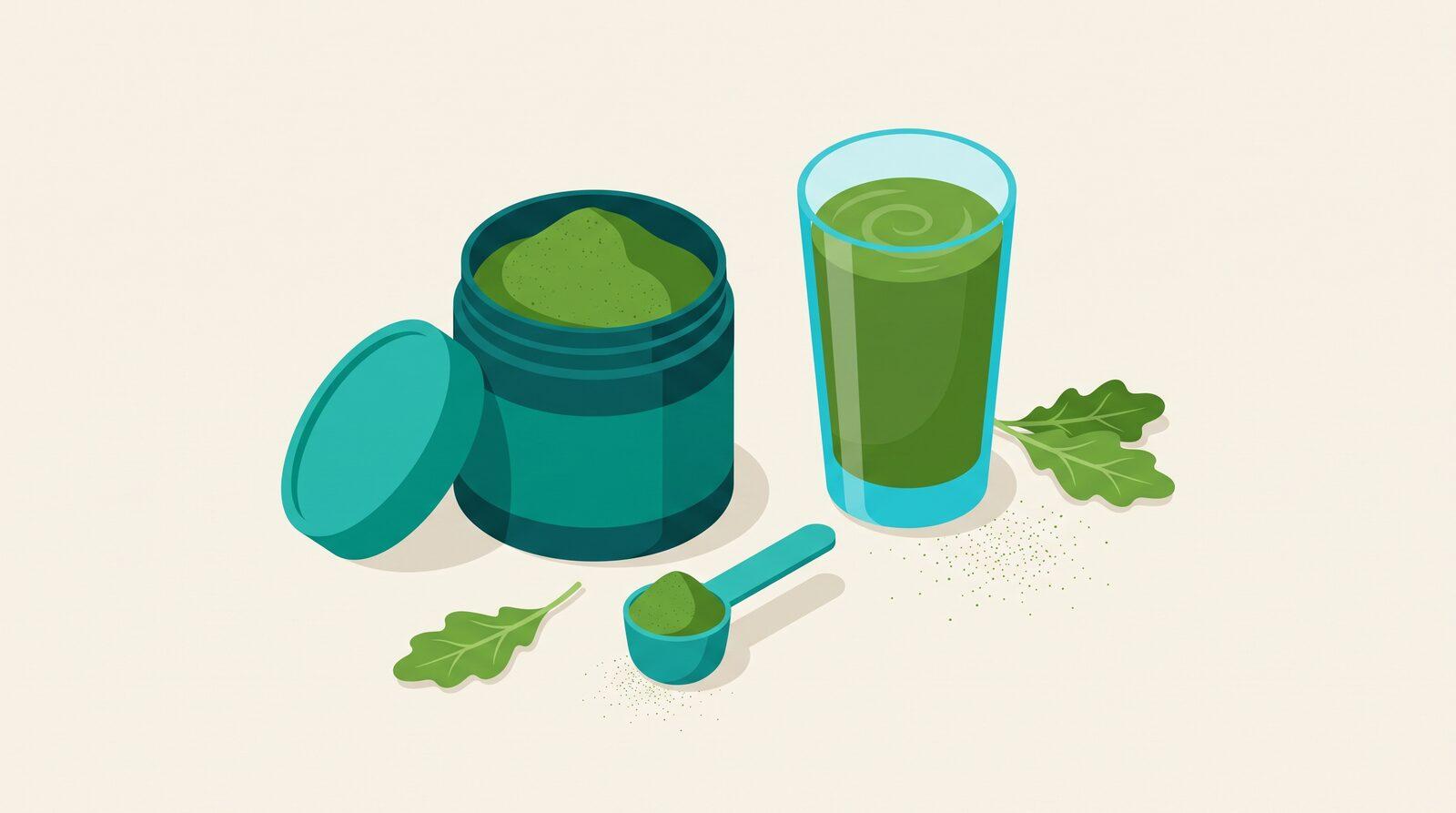
Greens powders like AG1 promise to replace vegetables and fix your diet. Here is what the evidence actually shows, what you are paying for, and who benefits.
NMN and NR really do raise NAD+ in your blood. Whether that slows aging is another question, and the 2025 trials have not answered it. The honest state of play.
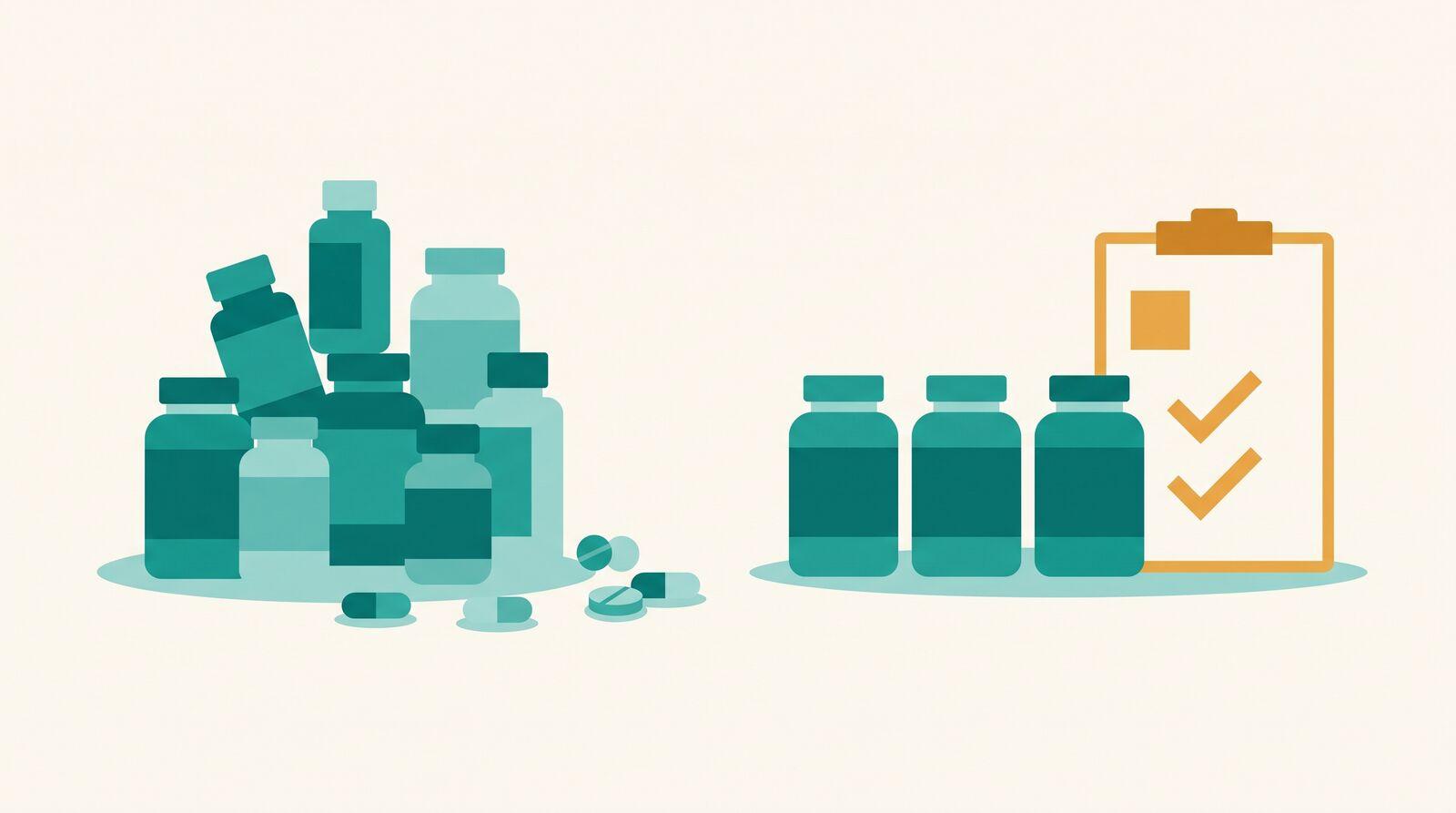
There is no magic number of supplements, but there are clear signs a stack has grown past useful. The real risks, and how to audit yours in about 30 minutes.
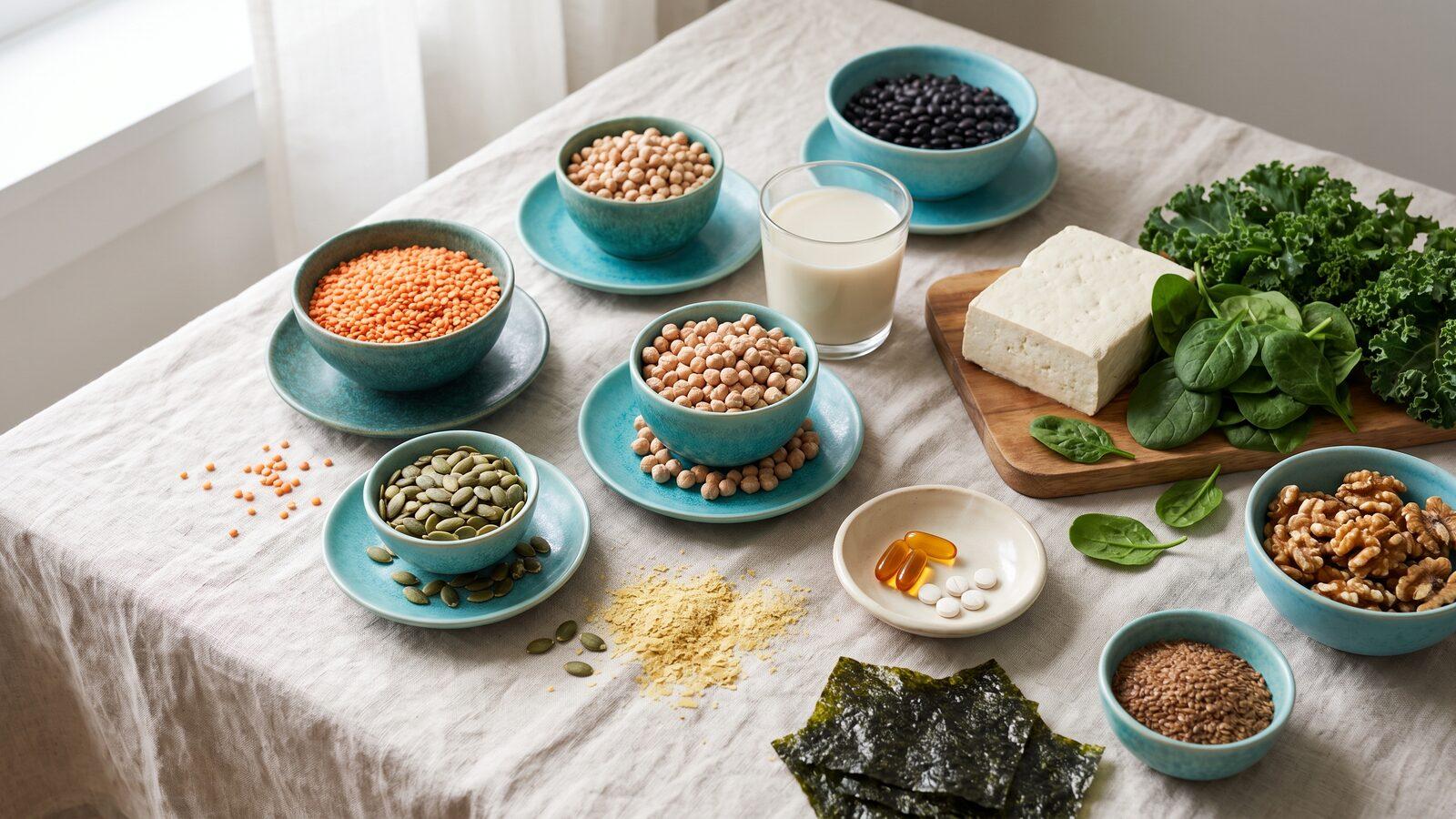
Plant-based diets fall short on a few key nutrients. The supplements vegans and vegetarians genuinely need, the right doses, and what you can safely skip.
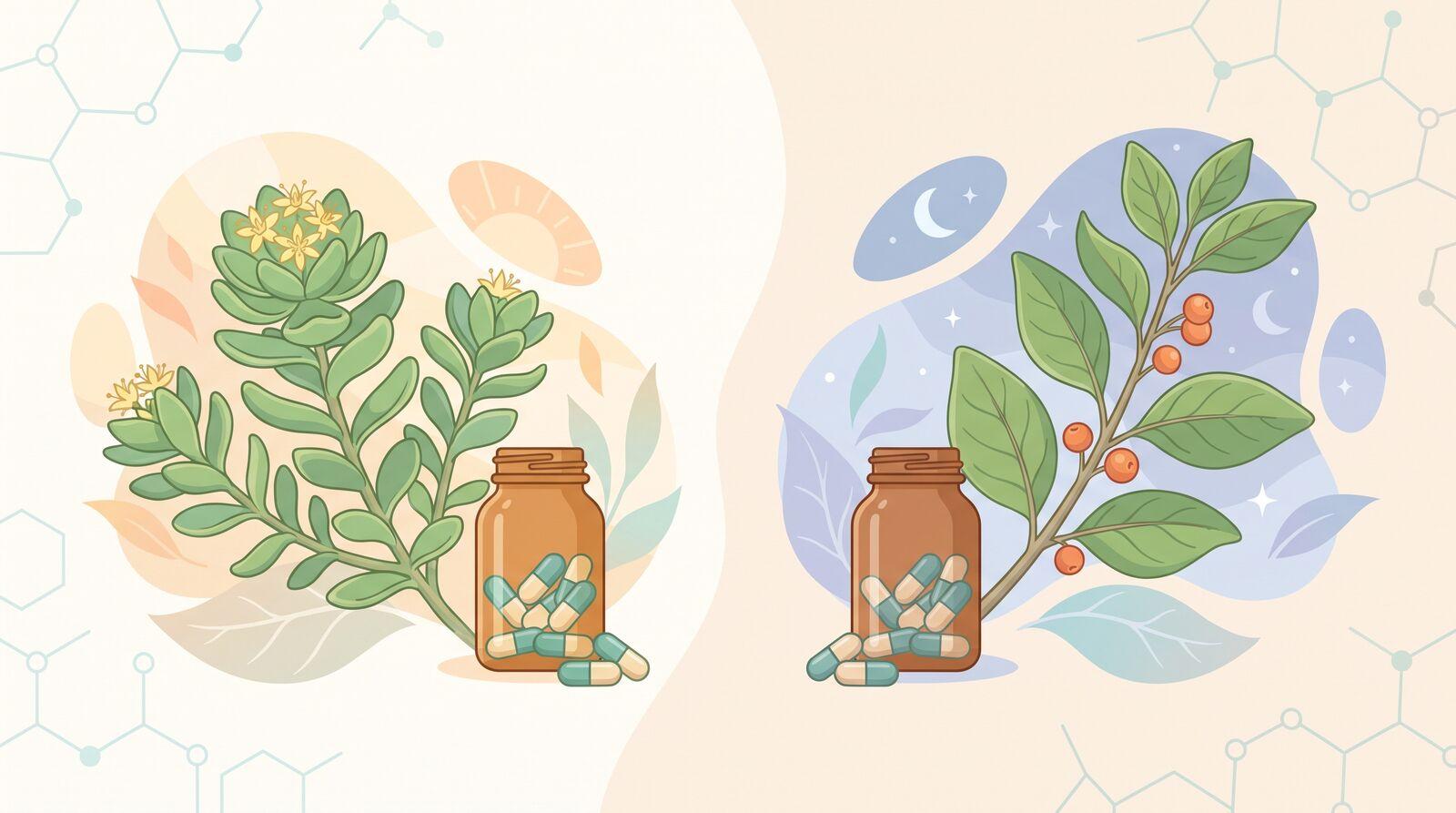
Rhodiola energizes, ashwagandha calms. How these adaptogens differ, what the evidence supports for fatigue, stress, and burnout, and how to pick or stack them.
Some of the best-studied supplements are among the cheapest. Which inexpensive ones have real evidence, how to compare cost per serving, and what to skip.
Protein powder is convenient, not magic. How much protein you really need per day, who genuinely benefits from a shake, whey vs plant, and how to buy clean.
Supplements are barely regulated, so the label may not match the bottle. Learn what NSF and USP seals verify, and the red flags to avoid before you buy.
Creatine is not just a men's gym supplement. Here is what it does for women's strength, bones, and brain, why it won't make you bulky, and how to dose it right.
Vitamin D deficiency is common and quietly symptomless for years. Here are the real signs, from fatigue to bone pain, who's most at risk, and how to confirm it.
Glucosamine and chondroitin are the bestselling joint supplements on the shelf, but does the science hold up? Here's what actually helps stiff, achy joints.
Magnesium is the internet's favorite sleep aid, but the form you buy decides whether it works. Here's which magnesium helps sleep, how much, and when.
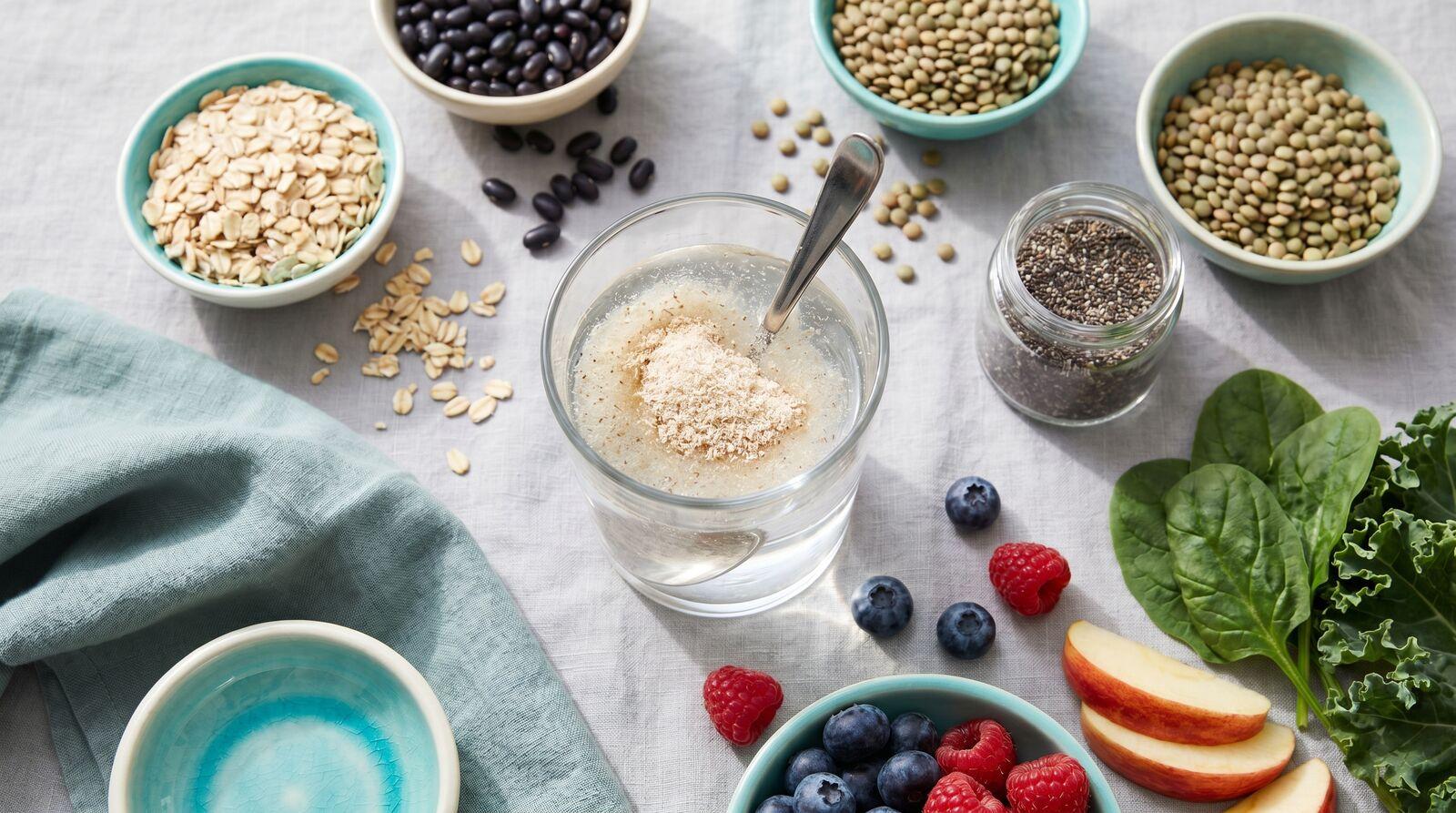
Most people eat half the fiber they should, and 'fibermaxxing' is the trend cashing in. Here's what a fiber supplement does, and when food beats a scoop.
GLP-1 drugs shrink your appetite, and your nutrient intake with it. Here is which supplements actually matter on Ozempic, from protein to B12, and what to skip.
Lion's mane is sold as a brain-rebuilding nootropic, but most of the science is in mice and petri dishes. Here is what the human evidence actually shows, and how to buy a version that isn't mostly starch.
Most energy supplements do nothing unless you are actually low in something. Here is what causes fatigue, which supplements have real evidence, and how to find out what is draining you.
Dozens of supplements promise calm. Only a handful have real trial data behind them. Here is what works for everyday stress, what does not, and how to take it safely.
CoQ10 is sold for energy, heart health, and statin side effects. Here is who genuinely benefits, who is wasting money, and how to take it so it actually absorbs.
Biotin is the most-marketed hair vitamin and one of the least useful supplements outside true deficiency. Here is what trials actually show, and what helps.
Vitamin D is the most over-supplemented and most under-tested nutrient. Here is how much you actually need, who is genuinely deficient, and when to test.
Electrolyte powders are everywhere, but most people drinking them don't need them. Here's when sodium and potassium genuinely help, and when it's just salty water.
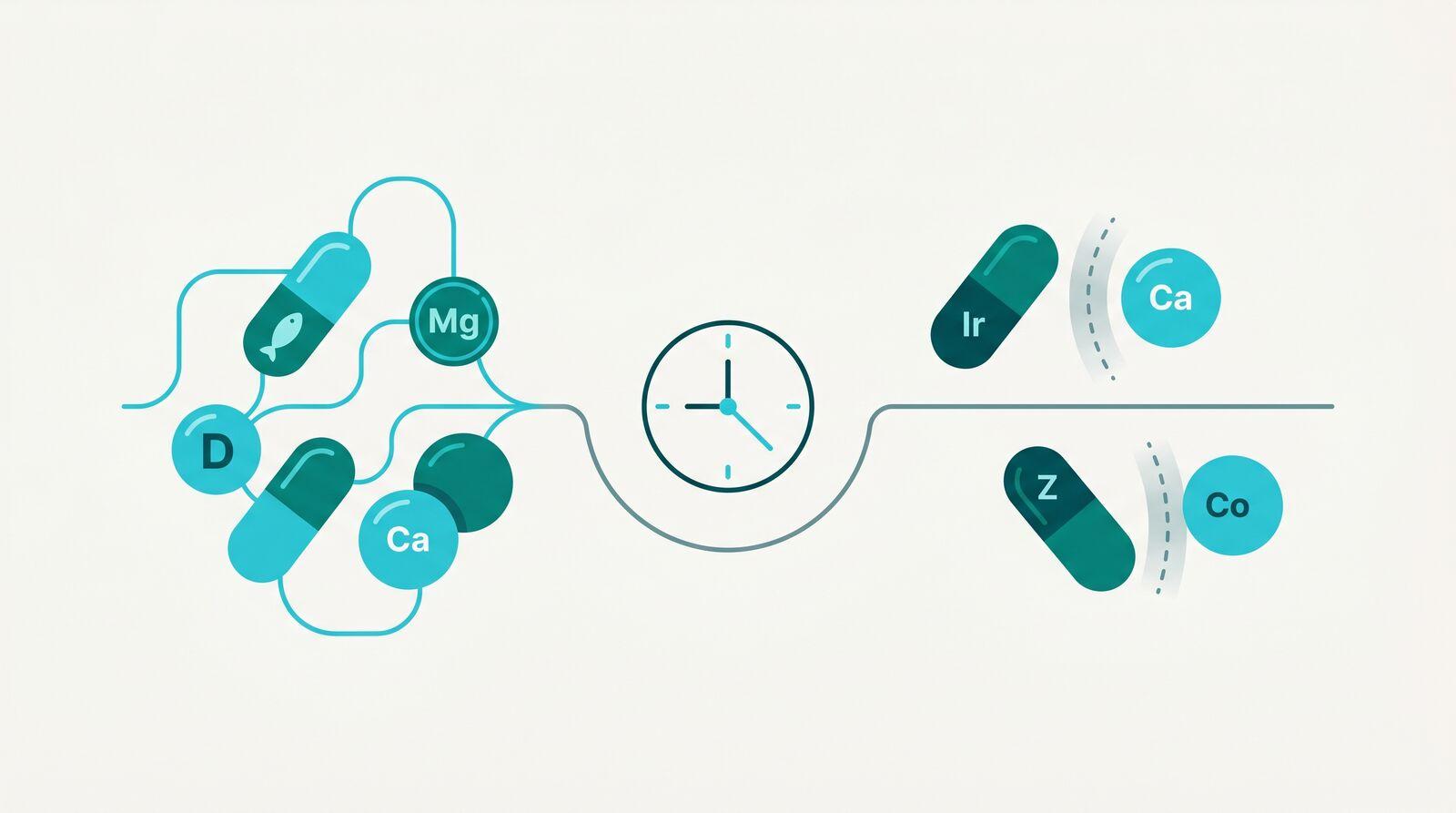
Some supplement pairs cancel each other out, others quietly help. The evidence-based guide to which supplements compete, which pair well, and how to space them.
Berberine is being sold as 'nature's Ozempic' on TikTok. The honest guide to blood sugar, weight, dosage, side effects, and where the hype falls apart.
Probiotics work for a few specific situations and do almost nothing for vague gut health. The honest guide to strains, CFUs, timing, and who should skip them.
Ashwagandha is the adaptogen everyone's talking about. The truth about cortisol claims, KSM-66 vs Sensoril, dosage, and who should never take it.
Iron is one of the few supplements where the wrong dose can hurt you in both directions. The honest guide to deficiency, forms, alternate-day dosing, and avoiding GI misery.
Most people don't need a B12 supplement. The ones who do really need it. The honest guide to deficiency risk, forms, dosage, and the megadose myth.
Most US melatonin tablets contain 5 to 30 times the effective dose. The real science on timing, amount, and why less almost always works better.
Creatine is the most-studied supplement on earth, and still the most misunderstood. The real guide to dosage, timing, and the myths that refuse to die.
Some supplements need fat to absorb. Others fight your breakfast. Here's exactly which ones to take with food and which to take on an empty stomach.
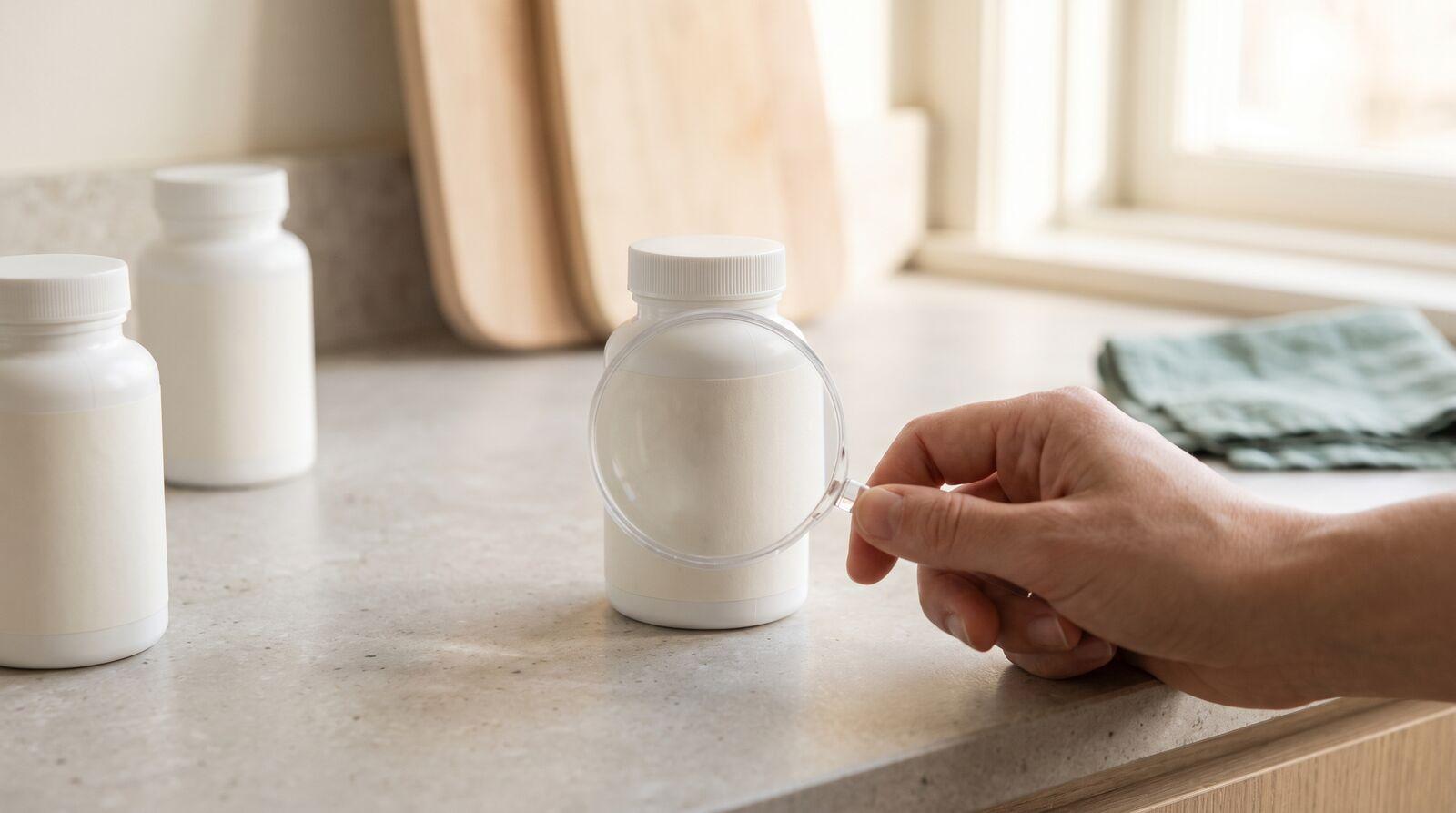
Supplement labels are packed with jargon, marketing claims, and hidden traps. Here's exactly what to check before you spend money on a bottle.
Supplement timelines depend on the goal and any deficiency. Compare magnesium, iron, vitamins, and sleep products, plus what to track and when to seek advice.
Gummy vitamins taste great, but do they actually work as well as traditional pills? Discover the pros and cons of different supplement forms.
Looking for focused, jitter-free energy? Discover why combining L-Theanine with Caffeine is considered the best entry-level nootropic stack for productivity and mental clarity.
Are multivitamins worth the hype or just expensive urine? We break down the science, the pros and cons, and whether you actually need one in your supplement stack.
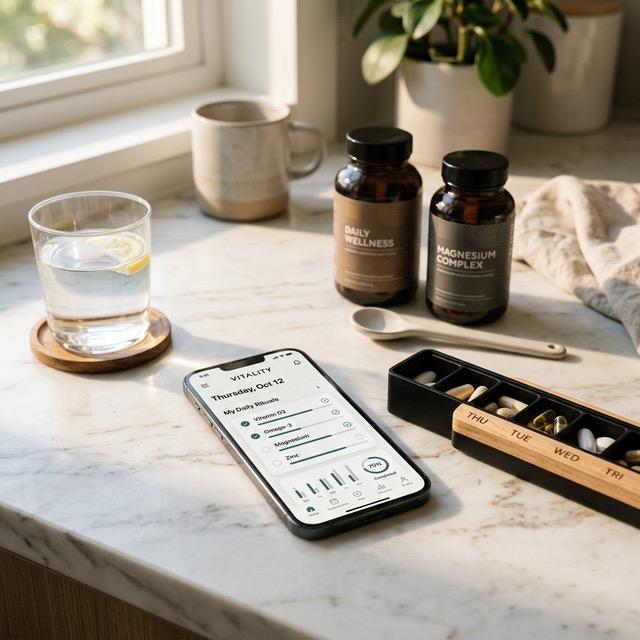
Consistency is the key to seeing results from your supplements. Discover effective strategies for tracking your daily dose and building lasting habits.
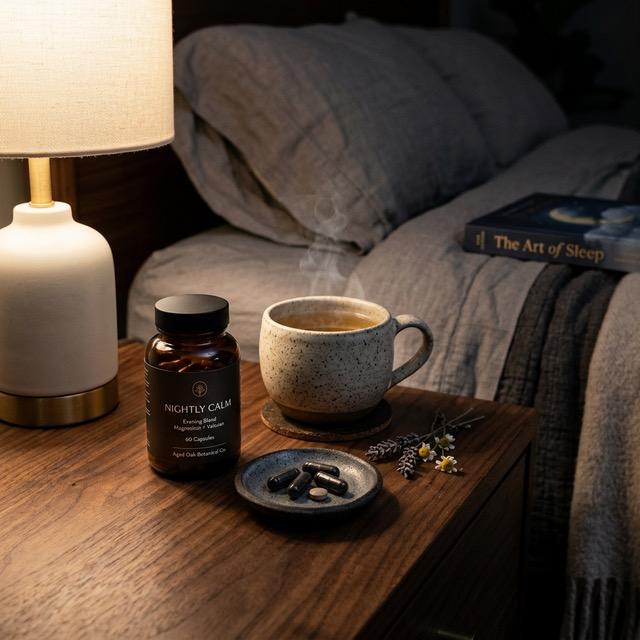
Build an evening schedule around your actual products and instructions. Understand sleep-claim limits, avoid duplicate doses, and keep a useful intake record.
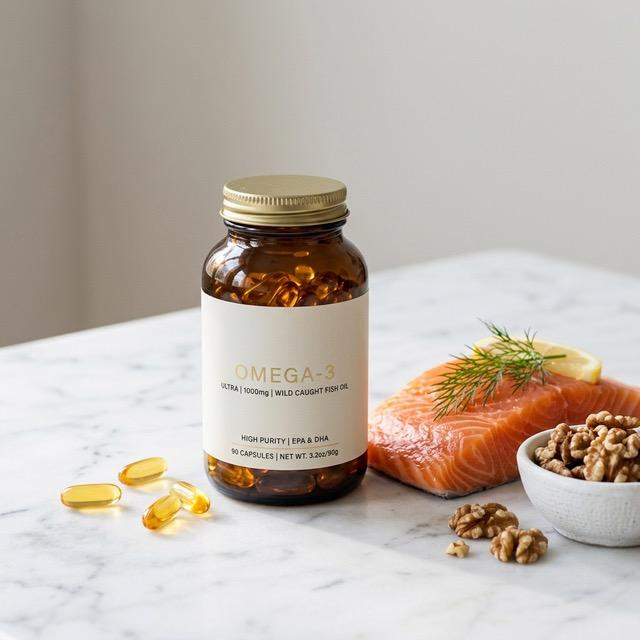
Learn how to read EPA and DHA amounts, distinguish supplements from prescription omega-3, and understand why there is no single dose for every health goal.
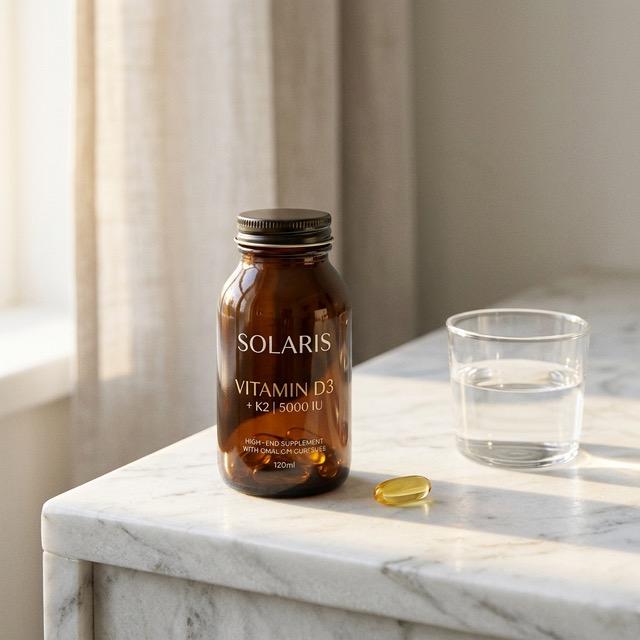
Do you need K2 with vitamin D3? Learn what the evidence supports, why combination pills are optional, and when medication interactions change the decision.
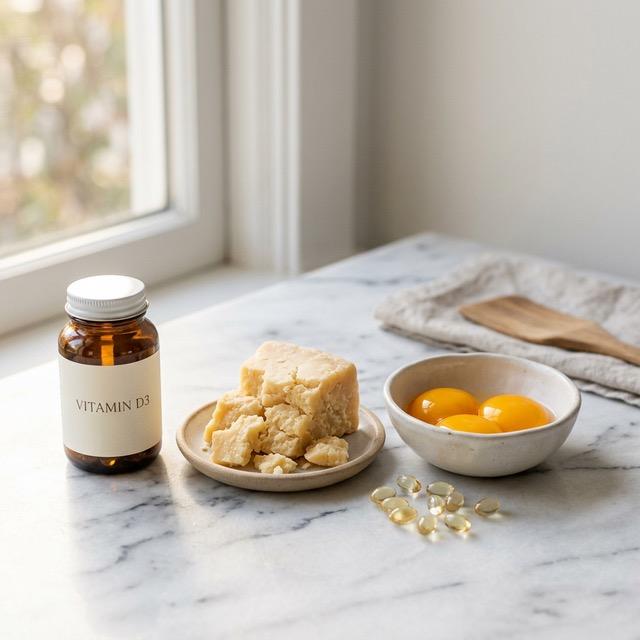
Take vitamin D with a meal that has some fat; the meal matters more than the hour. What the studies show on fat, the largest meal, and the melatonin claim.
Organize the supplements you actually need: check labels, food instructions and medication spacing, then build a morning schedule without a universal stack.