La berberina (1.000-1.500 mg/giorno suddivisi in 3 dosi con i pasti) migliora modestamente la glicemia a digiuno e l'HbA1c, con un'entità paragonabile alla metformina in alcuni studi, e può abbassare il colesterolo LDL e i trigliceridi. L'inquadramento TikTok «l'Ozempic della natura» è fuorviante: la perdita di peso negli studi è di 1-2 kg in 12 settimane, non decine di chili come con i farmaci GLP-1. Provoca disturbi digestivi in oltre il 30% degli utenti e interagisce con molti farmaci tramite l'inibizione del CYP3A4. Fai cicli di 8 settimane con 2-4 settimane di pausa e parlane con il tuo medico se assumi farmaci su prescrizione.
Due anni fa, quasi nessuno al di fuori del piccolo mondo della medicina integrativa su Internet aveva sentito parlare della berberina. Oggi ti aspetta alla cassa nelle catene di farmacie, viene presentata come «l'Ozempic della natura» in TikTok di trenta secondi, e compare nei reel degli influencer sull'«hack della glicemia» con promesse di perdere peso senza cambiare alimentazione. Il reparto degli integratori ha rifatto il suo solito gioco di prestigio: ha preso un composto reale e piuttosto ben studiato, lo ha fatto sembrare un miracolo e ha tralasciato in silenzio le parti che contano di più.
La versione onesta è più interessante del clamore. La berberina dispone di una base di prove significativa per il controllo della glicemia e dei lipidi. Non è Ozempic, non è nemmeno nella stessa categoria di farmaci, e trattarla come un banale integratore dimagrante manca sia ciò che fa davvero sia ciò che può farti se usata con leggerezza.
Questa guida è la lettura basata sulle prove: cos'è la berberina, cosa fa realmente, il confronto realistico con i farmaci GLP-1, dosaggio e timing, gli effetti collaterali che nessuno menziona sui social, e chi non dovrebbe mai assumerla.
Cos'è realmente la berberina
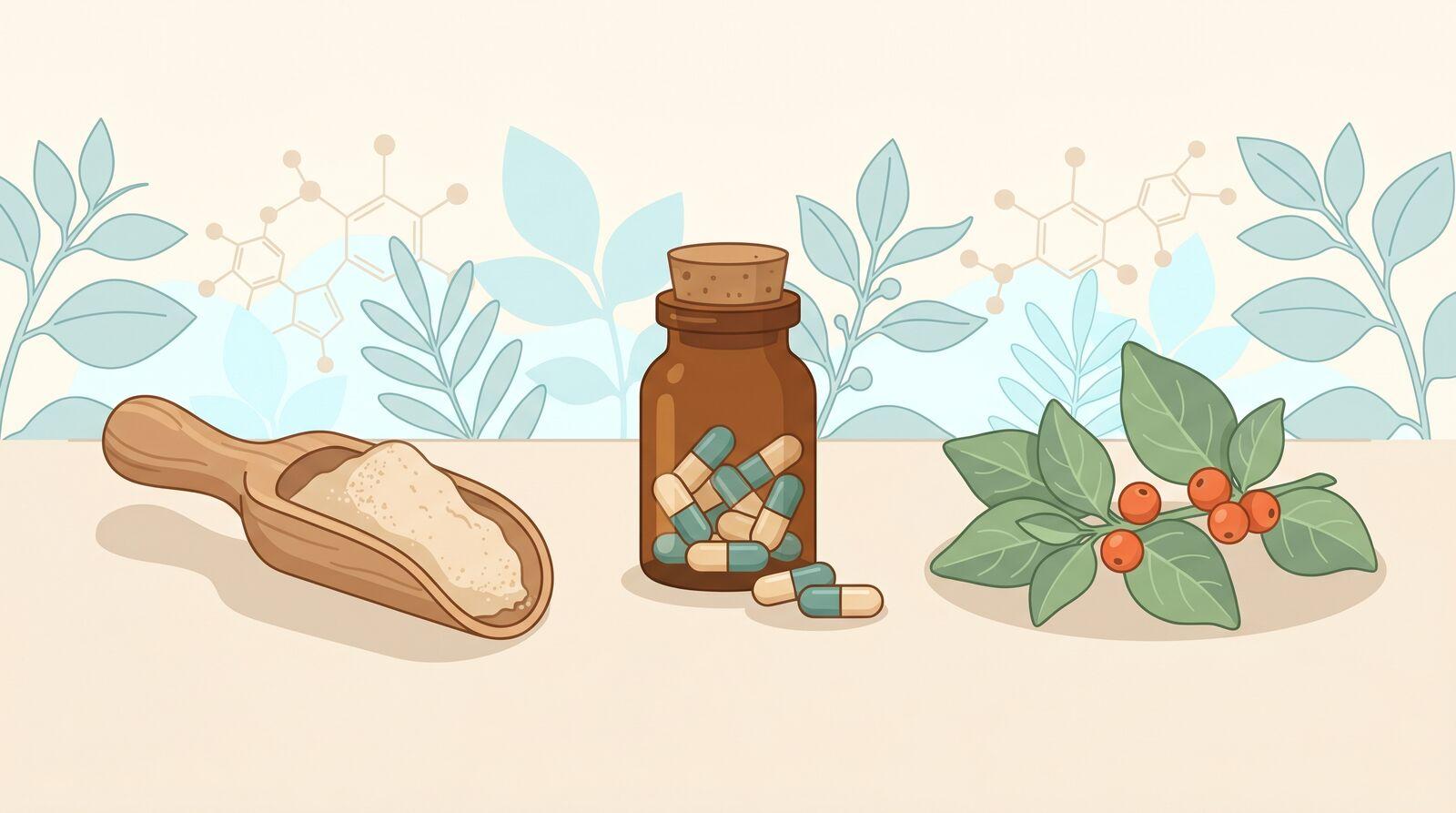
La berberina è un alcaloide giallo presente nella corteccia, nelle radici e negli steli di diverse piante: il crespino (Berberis vulgaris), l'idraste, l'uva dell'Oregon, il coptide cinese e la curcuma arborea. È usata nella medicina tradizionale cinese e ayurvedica da secoli, soprattutto contro la diarrea e le infezioni, molto prima che i suoi effetti sulla glicemia venissero studiati in studi moderni.
In forma di integratore moderno, di solito ottieni berberina HCl (sale cloridrato) estratta e standardizzata a una dose precisa per capsula, tipicamente 500 mg. È di colore giallo vivo, amara e macchia tutto ciò che tocca.
Il motivo per cui è stata studiata così intensamente negli ultimi decenni risiede nel suo meccanismo principale: la berberina attiva la proteina chinasi attivata dall'AMP (AMPK), un enzima al centro del modo in cui le tue cellule gestiscono il glucosio e i grassi. L'AMPK è lo stesso enzima attivato dalla metformina. Quando l'AMPK è attivata, le cellule assorbono più facilmente il glucosio, il fegato produce meno glucosio proprio, l'ossidazione dei grassi aumenta e la segnalazione infiammatoria diminuisce. È il motore di quasi tutti i benefici misurati dagli studi.
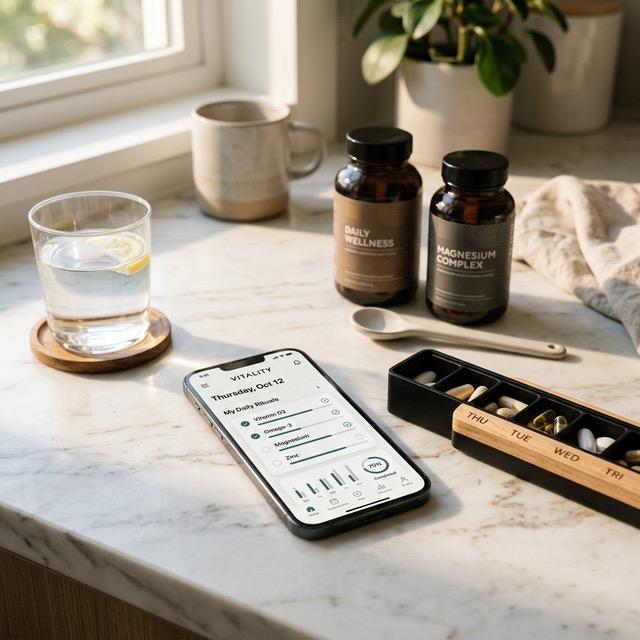
Se stai ancora decidendo a quale app affidare la tua routine, la nostra guida alle migliori app per il tracciamento degli integratori confronta con onestà le opzioni principali.
L'affermazione «l'Ozempic della natura», nello specifico
È qui che il marketing crolla. L'Ozempic (semaglutide) è un agonista del recettore del GLP-1: un peptide iniettabile che imita l'ormone intestinale GLP-1, rallenta lo svuotamento gastrico, sopprime l'appetito a livello cerebrale e stimola la secrezione di insulina in risposta al cibo. La perdita di peso media pubblicata con il semaglutide è di circa il 15% del peso corporeo a 68 settimane in adulti non diabetici affetti da obesità.
La berberina non agisce in modo significativo sul recettore del GLP-1. Non rallenta lo svuotamento gastrico. Non produce la forte soppressione dell'appetito che caratterizza i farmaci GLP-1. E i numeri della perdita di peso negli studi sulla berberina, anche i più generosi, si aggirano attorno a 1-2 kg in 12 settimane, spesso al limite della significatività statistica.
Chiamare la berberina «l'Ozempic della natura» equivale all'incirca a chiamare la caffeina «l'Adderall della natura». Entrambi i composti sono, in senso lato, stimolanti del sistema nervoso centrale, ma la differenza di meccanismo e di entità dell'effetto rende il confronto privo di senso. L'inquadramento TikTok esiste perché Ozempic è diventato un nome noto a tutti, non perché la farmacologia corrisponda.
Detto questo, la berberina non è nemmeno niente. Vive semplicemente in una categoria diversa da quella dei farmaci GLP-1.
Cosa mostra realmente la ricerca
La base di prove seria per la berberina si concentra attorno a pochi risultati precisi.
Glicemia nel diabete di tipo 2 e nel prediabete
È qui che la berberina ha il suo argomento più solido. Diverse meta-analisi, tra cui una ampiamente citata che copre 14 studi controllati randomizzati, mostrano che la berberina a 500 mg tre volte al giorno per 8-24 settimane produce:
- riduzioni della glicemia a digiuno paragonabili alla metformina negli studi di confronto diretto
- cali dell'HbA1c di circa 0,6-0,9 punti percentuali
- una migliore sensibilità all'insulina ai test standard (clamp e HOMA-IR)
Uno studio di confronto diretto in diabetici di tipo 2 di nuova diagnosi ha trovato la berberina non inferiore alla metformina per il controllo glicemico su 3 mesi. Questo non equivale a dire che la berberina dovrebbe sostituire la metformina. La metformina ha decenni di dati di sicurezza, un prezzo da generico e un percorso regolatorio. La berberina è un integratore con un controllo qualità variabile e un follow-up molto più breve. Ma la biologia sottostante è realmente paragonabile per il controllo glicemico a breve e medio termine.
Lipidi e marcatori cardiovascolari
La berberina abbassa in modo costante il colesterolo LDL di circa il 15-25%, il colesterolo totale del 10-20% e i trigliceridi del 20-30% attraverso diverse meta-analisi. Il meccanismo è diverso da quello delle statine: la berberina aumenta l'espressione dei recettori LDL nel fegato, accrescendo l'eliminazione dell'LDL dal sangue. L'effetto si somma alla terapia con statine nei pazienti che non vi rispondono pienamente.
Per le persone con un LDL lievemente elevato che non rientrano ancora in una terapia con statine, questa è una delle scoperte più interessanti dell'intero panorama degli integratori.
Peso corporeo e circonferenza vita
Questa è la parte sopravvalutata. I numeri reali ricavati dagli studi sono:
- studi di 12 settimane in adulti con sindrome metabolica: 1-2 kg di perdita di peso rispetto al placebo
- riduzioni modeste della circonferenza vita (1-3 cm)
- cali dell'IMC di circa 0,5-1,0 in 12 settimane
Sono effetti reali, statisticamente significativi e clinicamente modesti. La berberina non è un farmaco dimagrante. È un modulatore metabolico che produce piccoli effetti indiretti sul peso quando altri parametri (sensibilità all'insulina, gestione dei lipidi) migliorano.
Se non riesci a perdere 1,5 kg senza aiuto, la berberina non ti salverà. Se stai già facendo cambiamenti alimentari e vuoi una spinta metabolica, potrebbe guadagnare un po' di tempo sul calendario.
Salute intestinale e PCOS
Due aree emergenti con basi di prove crescenti ma più ridotte:
- PCOS: la berberina è stata confrontata con la metformina in donne con sindrome dell'ovaio policistico e ha mostrato effetti simili sull'insulino-resistenza e sulla regolarità del ciclo. Gli studi sono più piccoli, ma la coerenza è interessante. Per le donne che affrontano l'insulino-resistenza nell'ambito di una PCOS, vale la pena parlarne con un clinico.
- Microbioma intestinale: la berberina ha effetti antimicrobici e modifica la composizione del microbioma intestinale. Alcuni dei suoi effetti metabolici passano attraverso l'intestino, il che spiega in parte perché provoca effetti collaterali digestivi in molti utenti.
Dosaggio e timing: perché qui contano davvero
La maggior parte degli integratori perdona un timing sbagliato. La berberina no, ed è qui che la maggior parte degli utenti si sottodosa fino a non ottenere alcun effetto.
La berberina ha un'emivita plasmatica breve e una biodisponibilità orale molto scarsa, di solito stimata a meno dell'1% della dose orale. Per produrre l'attivazione dell'AMPK osservata negli studi, devi mantenere le concentrazioni plasmatiche in un intervallo efficace, il che significa assumerla più volte al giorno con il cibo.
Il protocollo standard basato sulle prove è:
| Obiettivo | Dose giornaliera | Schema |
|---|---|---|
| Glicemia / sensibilità all'insulina | 1.500 mg | 500 mg tre volte al giorno, con i pasti |
| Gestione dei lipidi | 1.000-1.500 mg | 500 mg due o tre volte al giorno, con i pasti |
| Supporto metabolico generale | 500-1.500 mg | Una o tre volte al giorno, con i pasti |
Note pratiche:
- Con i pasti è importante. Assumere la berberina a stomaco vuoto amplifica gli effetti collaterali digestivi senza migliorare l'assorbimento. Abbina ogni dose a un pasto.
- Frazionare la dose è tutto il gioco. Assumere 1.500 mg in una volta è nettamente meno efficace di 500 mg tre volte al giorno, perché la curva plasmatica ha troppi tempi morti. Ecco perché un'app di tracciamento conta più per la berberina che per la maggior parte degli integratori: tre dosi al giorno sono facili da dimenticare senza promemoria.
- Non raddoppiare dopo una dose dimenticata. Saltala e riprendi al pasto successivo. Il tratto digestivo non gradisce un carico da 1.000 mg.
- Fai cicli, non assumerla all'infinito. La maggior parte dei clinici che usano la berberina a scopo terapeutico fa cicli di 3-6 mesi con pause, in parte perché i dati di sicurezza a lungo termine si diradano oltre i 6 mesi.
Forme: HCl, diidroberberina e «rilascio prolungato»
La questione della forma viene confusa dalle affermazioni di marketing, ma ecco la lettura pratica:
- La berberina HCl è il riferimento, con la base di prove più ampia. Economica, ben studiata, ed è la forma usata praticamente in ogni studio clinico. Lo svantaggio è l'obbligo di assunzione tre volte al giorno.
- La diidroberberina (DHB) è un metabolita della berberina più biodisponibile. L'argomento è che se ne può prendere di meno, meno spesso, con effetti simili. Le prove da studi clinici per la diidroberberina sono molto più scarse rispetto alla berberina HCl. Piccoli studi suggeriscono che dosi di circa 100-200 mg due volte al giorno si avvicinano agli effetti di 500 mg di berberina HCl tre volte al giorno, ma il confronto è indicativo, non stabilito.
- La berberina a rilascio prolungato mira ad appiattire la curva plasmatica per consentire assunzioni meno frequenti. Alcune sono ben formulate, molte sono solo marketing. Verifica che il prodotto specifichi un profilo di rilascio in ore, non solo la parola «prolungato».
- I prodotti combinati con cardo mariano, acido alfa-lipoico o cannella sono comuni. Nessuna di queste aggiunte migliora l'effetto centrale della berberina, e rendono più difficile capire cosa sta agendo. Acquista berberina a ingrediente singolo se vuoi davvero valutare se funziona per te.
Effetti collaterali e interazioni
Questa è la parte che la maggior parte degli argomentari TikTok salta del tutto.
Effetti collaterali comuni:
- Disturbi digestivi. Stitichezza, diarrea, gas, crampi addominali. Circa il 30-40% degli utenti negli studi riferisce un effetto digestivo, soprattutto nelle prime due settimane. Iniziare con 500 mg una volta al giorno e aumentare nell'arco di una settimana aiuta.
- Sapore amaro, colorazione gialla di denti o feci. Cosmetico, innocuo, per lo più evitabile usando una capsula e non masticandola.
- Mal di testa e affaticamento in una piccola minoranza di utenti, di solito spontaneamente risolutivi.
Interazioni serie che contano:
- Farmaci antidiabetici. La berberina associata alla metformina o alle sulfoniluree può far crollare la glicemia in modo significativo. Chiunque assuma un farmaco antidiabetico ha bisogno di supervisione medica prima di aggiungere la berberina, perché l'effetto combinato può provocare ipoglicemia.
- Farmaci contro l'ipertensione. Effetto additivo modesto con alcune classi. Da segnalare al tuo prescrittore.
- Metabolismo tramite CYP3A4. La berberina inibisce il CYP3A4, l'enzima epatico che metabolizza un enorme numero di farmaci (statine, calcio-antagonisti, immunosoppressori come ciclosporina e tacrolimus, molti antifungini, alcuni antibiotici). Se assumi un qualsiasi farmaco su prescrizione, il tuo farmacista deve verificare il profilo di interazione prima che tu inizi. Non è una preoccupazione di nicchia; il CYP3A4 metabolizza circa la metà di tutti i farmaci su prescrizione.
- Anticoagulanti e antiaggreganti piastrinici. Effetto additivo lieve ma reale sul rischio di sanguinamento.
Non assumere la berberina se sei:
- Incinta o in allattamento. La berberina attraversa la placenta ed è stata associata a ittero neonatale (kernittero) per spiazzamento della bilirubina. È una delle poche controindicazioni integratore-gravidanza con una base biologica reale, e non per semplice principio di precauzione.
- Attualmente sotto più farmaci su prescrizione senza che un farmacista o un prescrittore abbia esaminato la lista delle interazioni al CYP3A4.
- Già sotto antibiotici. La berberina ha una propria attività antimicrobica e combinare le due cose può amplificare i sintomi digestivi o alterare il microbioma in modo imprevedibile.
Una nota che vale la pena dire ad alta voce: «naturale» non vuol dire «sicuro da combinare con qualsiasi cosa». La berberina è uno degli integratori più attivi sul piano farmacologico sul mercato, e il suo profilo di interazioni è più vicino a un farmaco su prescrizione che a un comune multivitaminico.
Calendario realistico
Se inizi un protocollo da 500 mg tre volte al giorno, ecco cosa aspettarti concretamente:
- Settimana 1-2: periodo di adattamento digestivo. Alcuni la tollerano subito; molti hanno una prima settimana difficile. Prendila con il cibo, aumenta la dose gradualmente, e il tratto digestivo di solito si calma.
- Settimana 4-8: i cambiamenti della glicemia a digiuno sono in genere misurabili sulle analisi attorno a questo periodo. Se la tua glicemia a digiuno di partenza era elevata, dovresti osservare un calo evidente.
- Settimana 8-12: i cambiamenti dell'HbA1c, dei trigliceridi e dell'LDL diventano misurabili. È la finestra standard in cui gli studi clinici mostrano risultati.
- Settimana 12-24: i cambiamenti di peso (se si verificano) sono in genere modesti e più visibili in questo intervallo. I miglioramenti della sensibilità all'insulina continuano a consolidarsi.
La stessa logica che vale per la maggior parte degli integratori basati sulle prove si applica qui: il tempo necessario per percepire un effetto si misura in settimane o mesi, non in giorni. I cambiamenti metabolici avvengono prima che tu possa percepirli; le analisi sono il modo per confermarli.
Chi probabilmente ne beneficia, chi probabilmente no
Probabili a notare un beneficio:
- Adulti con prediabete o diabete di tipo 2 iniziale che vogliono uno strumento complementare insieme ai cambiamenti dello stile di vita
- Persone con LDL o trigliceridi lievemente elevati, non ancora sotto statine
- Donne con PCOS che affrontano l'insulino-resistenza (con supervisione clinica)
- Chiunque abbia una sindrome metabolica e cerchi un intervento misurato e supportato da prove
Probabilmente non ne vale la pena:
- Adulti sani di peso normale senza marcatori metabolici fuori norma. Gli effetti si concentrano nelle persone il cui metabolismo è già alterato.
- Chiunque cerchi una soppressione dell'appetito e una grande perdita di peso in stile Ozempic. Il meccanismo è inadatto e l'entità dell'effetto è piccola.
- Persone sotto più farmaci su prescrizione che non hanno fatto esaminare le interazioni da un farmacista.
Rispetto agli argomenti molto solidi a favore della creatina e della vitamina D nei rispettivi casi d'uso, la berberina assomiglia di più all'ashwagandha: un vero composto bioattivo con una nicchia definita, soggetto alla sopravvalutazione nel marketing di massa, e che merita uno screening attento prima di iniziare.
Tienila sotto controllo o la giudicherai male
La berberina è uno degli integratori per cui un tracciamento regolare non è negoziabile, per tre motivi:
- Lo schema posologico è di tre dosi al giorno con i pasti. Salta una dose e ti ritrovi funzionalmente a una dose più bassa di quella studiata negli studi. Il motivo più frequente per cui la berberina «non fa niente» a qualcuno sono le dosi dimenticate, non l'integratore.
- Gli effetti compaiono sulle analisi, non sulla bilancia. Se il tuo unico riscontro è «ho perso peso questa settimana», abbandonerai alla 3ª settimana prima che un biomarcatore significativo abbia avuto il tempo di muoversi. Fai un profilo lipidico e una glicemia a digiuno di riferimento prima di iniziare, e ricontrolla a 8-12 settimane.
- La pianificazione dei cicli conta. Se fai cicli di 3-6 mesi, ti serve un registro di quando hai iniziato e smesso, altrimenti perdi il filo di se sei al mese 2 o al mese 7.
Un semplice registro che annota ogni dose (o ogni dose assunta con un pasto), più i valori di laboratorio delle settimane 4 e 12, ti dirà in tre mesi se la berberina ti porta qualcosa di utile. Tracciare gli integratori in modo regolare è la differenza tra una decisione informata al 3° mese e un vago «credo che mi abbia aiutato un po', forse».
La berberina è uno strumento metabolico utile, a volte sottovalutato, ma non è un miracolo dimagrante e non è un'aggiunta banale a una routine. Trattala come un quasi-farmaco con un caso d'uso definito, dosala come l'hanno dosata gli studi, passa in rassegna la tua lista di farmaci e misura i parametri giusti. Fatta così, la risposta dopo tre mesi è chiara. Fatta con leggerezza, finisce nel mucchio degli integratori di cui la gente giurava che facessero qualcosa, prima di smettere in silenzio di prenderli.
Questo articolo ha scopo educativo e non costituisce un parere medico. La berberina ha interazioni farmacologiche e controindicazioni importanti. Parla con un professionista sanitario qualificato prima di iniziare la berberina, soprattutto se sei incinta, allatti, assumi farmaci su prescrizione, sei diabetico o hai una malattia del fegato o dei reni.