There is no universal supplement clock. A medicine used for constipation, treatment for a confirmed deficiency, and a product marketed for sleep have different goals and evidence. Magnesium is not a proven same-night sleep or anxiety treatment. Iron treatment may improve symptoms before iron stores are restored. Record the product, intended dose, purpose, and review plan; do not raise doses or keep taking an ineffective product merely to finish a 90-day challenge.
A new supplement bottle does not come with a reliable countdown to feeling better. The useful question is more specific: what are you taking it for, and what would count as a result?
Correcting iron-deficiency anemia, using a labeled laxative, and trying a supplement for sleep are different situations. Some have measurable treatment targets. Others have uncertain benefits, so waiting longer does not necessarily make them work.
Separate a noticeable effect from a useful result
A change you can feel is not always the outcome you wanted. Caffeine can make you more alert and also make you jittery. Magnesium can cause diarrhea without correcting the reason you felt tired. A product can change a laboratory result without producing an immediate sensation.
Before starting, write down the purpose in one sentence. "Treat the deficiency my clinician diagnosed" is clearer than "support wellness." For an optional product, choose one relevant measure, such as a simple sleep diary, instead of treating every good or bad day as evidence.
A symptom diary can show a pattern. It cannot prove that the supplement caused it. Sleep, food, illness, medication, and expectations can change during the same period.
How long does magnesium take to work?
There is no single magnesium timeline because the intended use matters.
For constipation: magnesium citrate sold as a laxative is a medicine with product-specific instructions. This is different from taking an ordinary magnesium capsule for nutrition. Follow the label or a pharmacist's advice, and use our magnesium citrate constipation guide to understand the distinction. A laxative effect is not evidence that magnesium is treating anxiety or improving sleep.
For a confirmed deficiency: the cause, severity, kidney function, and treatment plan determine what happens next. Symptoms such as fatigue or cramps have many possible causes. A clinician may need to assess both the level and why it is low; there is no dependable day when everyone should feel a difference. Our magnesium deficiency guide covers that assessment.
For sleep: do not promise a first-night effect or a result after a fixed number of weeks. NCCIH's evidence review describes limited, inconsistent research that is insufficient to establish effectiveness for sleep disorders. Glycinate is not a guaranteed sedative simply because it is sold for bedtime.
Timing and formulation are separate questions. Our magnesium timing guide discusses scheduling, but a convenient schedule does not establish that a supplement is necessary. The NIH magnesium fact sheet also notes digestive side effects, medicine interactions, and a higher toxicity risk when kidney function is impaired. Do not increase the dose to force a faster response.
Iron: feeling better and restoring stores are different
Iron is useful when there is a suitable indication, such as diagnosed iron-deficiency anemia. It is not a general energy supplement to start because you feel tired.
For prescribed ferrous sulfate, the NHS says people commonly start feeling better after three to four weeks, while full benefit may take two to four months. Treatment may continue after symptoms or blood counts improve to replenish stores, according to the prescriber's plan.
Those are treatment expectations, not a deadline for every person. Ongoing bleeding, absorption problems, side effects, or missed doses can change the response. If symptoms persist or worsen, review the cause and treatment rather than simply buying a stronger tablet. Keep follow-up blood tests when they are part of your plan.
Vitamins, probiotics, and herbal products do not share one clock
Vitamins are not automatically energizing when your intake is already adequate. Whether a deficiency exists matters more than whether a vitamin is water-soluble or fat-soluble. The relevant nutrient, cause, dose, and treatment target determine the review plan.
There is likewise no reliable rule that all probiotics improve digestion in one to four weeks, or that all products labeled "adaptogens" begin working at eight weeks. Strain, preparation, intended use, and study quality differ. A trial measuring an outcome after eight weeks does not prove that every user should feel a benefit by week eight.
For products such as omega-3, collagen, or herbal supplements, look for evidence matching the specific outcome you care about. Avoid interpreting "contains a nutrient involved in this process" as "will improve this process for me." Our guide to whether you need a multivitamin is a useful place to start before adding another bottle.
Sleep products need the right indication
Melatonin also does not belong in a universal "works within an hour" category. It affects circadian timing, and the intended use matters. Evidence for some sleep-timing problems does not make it a dependable treatment for every cause of poor sleep.
NCCIH's melatonin overview distinguishes those uses and discusses limited evidence for chronic insomnia and uncertainty about long-term safety. If sleep problems persist, reviewing the problem itself is more useful than combining several bedtime supplements and trying to guess which one helped.
Track a review plan, not a 90-day challenge
Consistency matters when a product is appropriate, but one missed dose does not universally "reset the clock." Follow product-specific instructions for missed doses. Do not double a dose without instructions to do so.
A practical record includes:
- The product and its ingredient amounts, including the intended dose.
- The reason for taking it and who recommended it.
- When you actually took it, plus any side effects.
- The outcome to review and any planned laboratory tests.
- The date or condition for checking back with a clinician or pharmacist.
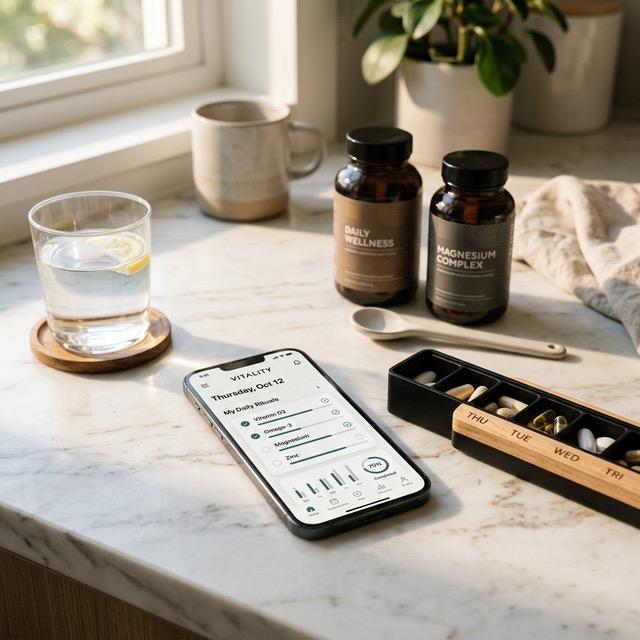
Supplements Tracker can help record your routine. Our consistency guide and tracker comparison cover that practical side. A log supports a decision; it does not diagnose a deficiency or demonstrate treatment success.
There is no reason to keep an optional supplement for 90 days merely because a calendar says so. New side effects, an interaction concern, or worsening symptoms justify an earlier review. For prescribed treatment, discuss changes with the prescriber. The aim is an appropriate treatment with a clear purpose, not the longest possible streak of taking pills.
This article is educational and does not replace individual medical advice. Ask a clinician or pharmacist about treating a suspected deficiency, supplement interactions, or persistent symptoms.