La creatina monoidrato a 3-5 g al giorno è l'integratore sportivo meglio documentato che esista: aumenta le riserve muscolari di fosfocreatina del 20-40% per un guadagno di forza del 5-10%. Una fase di carico (20 g/giorno per 5-7 giorni) satura i muscoli più in fretta, ma non è indispensabile. Il momento dell'assunzione conta poco; ciò che conta è la costanza quotidiana. Le forme più recenti (HCl, estere etilico) non sono superiori al monoidrato classico. Provoca 1-2 kg di ritenzione idrica intracellulare (non gonfiore). Nessun danno renale nelle persone sane nonostante il mito diffuso; l'aumento della creatinina è metabolico, non patologico.
La creatina è l'integratore di nutrizione sportiva più studiato della storia. Più di mille studi sottoposti a revisione paritaria, sei decenni di dati e l'avallo di praticamente ogni istituzione di scienza dello sport del pianeta. Eppure, in qualche modo, è ancora l'integratore su cui le persone sbagliano di più.
C'è chi la scambia per uno steroide. C'è chi crede sia solo per i bodybuilder. C'è chi fa una fase di carico per una settimana, smette e si chiede perché non sia successo nulla. Altri spendono il doppio per una versione sofisticata che non funziona meglio di quella di base.
Questa guida è la verità imprescindibile e fondata sulle prove sulla creatina: cosa fa davvero, quanta assumerne, quando assumerla e quali vecchi miti puoi ufficialmente smettere di temere.
Cosa fa davvero la creatina nel tuo corpo
La creatina non è uno stimolante, né un ormone, né una sostanza chimica sintetica. È un composto che il tuo corpo già produce da tre amminoacidi (glicina, arginina e metionina) e immagazzina principalmente nei muscoli. Ne assumi anche circa 1-2 grammi al giorno dal cibo, se mangi carne rossa e pesce.
Dentro le tue cellule, il compito della creatina è riciclare l'ATP, la molecola che il tuo corpo usa per l'energia rapida e ad alta intensità. Durante una serie pesante, uno sprint o qualsiasi sforzo esplosivo e breve, i tuoi muscoli bruciano l'ATP in pochi secondi. La fosfocreatina cede un gruppo fosfato per ricostruire l'ATP quasi istantaneamente, permettendoti di fare una ripetizione in più, uno sprint in più, un salto in più.
Integrare la creatina aumenta la quantità totale immagazzinata nei muscoli di circa il 20-40%. Quella riserva extra si traduce in guadagni misurabili su:
- Forza e potenza (in media un miglioramento del 5-15% rispetto al placebo nei praticanti allenati)
- Massa muscolare magra (circa 1-2 kg in più nel corso di alcuni mesi di allenamento)
- Prestazioni in sprint e intervalli ad alta intensità
- Recupero tra le serie
Questi sono gli effetti diretti sui muscoli. Ma la creatina ha anche un secondo compito, più silenzioso, che è diventato una delle aree di ricerca più entusiasmanti dell'ultimo decennio.
La creatina non è solo per la palestra
A parità di peso, il tuo cervello consuma più energia di qualsiasi altro organo del corpo. Anch'esso usa la fosfocreatina per tamponare l'ATP durante i compiti cognitivi impegnativi. Ricerche recenti hanno dimostrato che l'integrazione di creatina può:
- Migliorare la memoria a breve termine e il ragionamento, soprattutto nelle persone private del sonno, vegetariane o oltre i 60 anni
- Sostenere le prestazioni cognitive nei periodi di forte stress e poco sonno
- Mostrare risultati promettenti (anche se ancora preliminari) sull'umore, con piccoli studi che suggeriscono benefici contro la depressione se abbinata a un trattamento standard
Gli anziani possono trarne beneficio in modo del tutto diverso: è stato dimostrato che la creatina combinata con l'allenamento di resistenza rallenta la sarcopenia (la perdita muscolare legata all'età) più efficacemente del solo allenamento. Sta rapidamente diventando uno degli integratori più raccomandati alle persone sopra i 50 anni, che si allenino per sport o vogliano semplicemente restare forti e in movimento.
I vegetariani e i vegani registrano il salto più grande grazie all'integrazione, perché le loro riserve di creatina di partenza sono significativamente più basse di quelle degli onnivori. Se non mangi carne, la creatina è probabilmente uno degli integratori a maggiore impatto che puoi aggiungere al tuo stack.
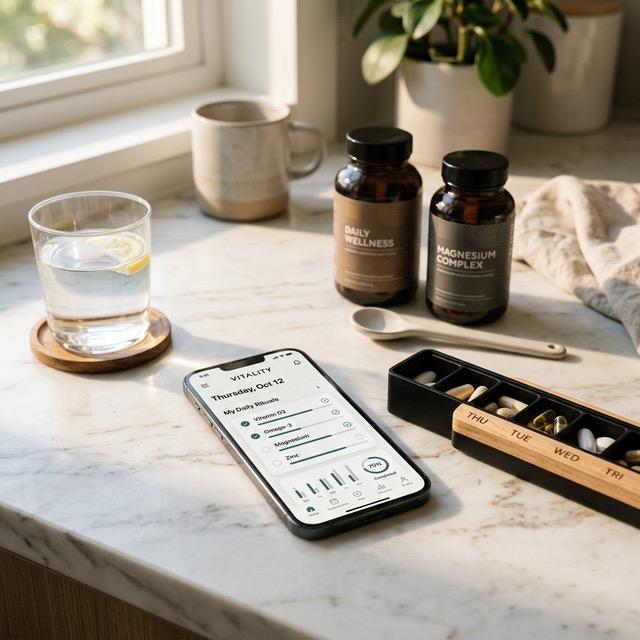
Mantenere una routine quotidiana di integratori è molto più semplice con un'app dedicata, e abbiamo confrontato le principali app per il tracciamento degli integratori per aiutarti a scegliere quella giusta.
Monoidrato contro tutto il resto
Entra in un negozio di integratori e vedrai la creatina in almeno sei forme: monoidrato, HCL, tamponata (Kre-Alkalyn), estere etilico, chelato di magnesio e miscele "next-gen di ultima generazione" con prezzi in proporzione.
Ecco la verità scomoda per gli uffici marketing: la creatina monoidrato resta lo standard di riferimento, e nessun'altra forma l'ha battuta in modo costante in studi comparativi diretti. È la più studiata, la più biodisponibile alle dosi standard e di gran lunga la più economica. La scorta di monoidrato puro per un mese costa di solito meno di un caffè sofisticato.
Due dettagli da controllare sull'etichetta:
- La certificazione Creapure. Un marchio di creatina monoidrato micronizzata prodotta in Germania, con il miglior storico di purezza. Non indispensabile, ma è un buon segnale.
- Micronizzata. Particelle più piccole si mescolano più facilmente al liquido e risultano meno gessose. Lo stesso composto, solo più fine.
Se il tuo monoidrato ti pesa sullo stomaco (raro, ma capita con dosi singole elevate), suddividerlo in due porzioni più piccole di solito risolve il problema. Cambiare forma è raramente necessario.
Quanta assumerne: la risposta semplice
Per quasi tutti, la dose di mantenimento efficace è di 3-5 grammi al giorno. Tutto qui. Un piccolo misurino. Ogni singolo giorno.
Il peso corporeo conta un po'. Una persona di 60 kg può mantenere la saturazione nella parte bassa della forbice (3 g). Una persona di 100 kg potrebbe beneficiare della parte alta (5 g, a volte qualcosa in più).
La fase di carico: opzionale
Un protocollo di carico tradizionale prevede 20 grammi al giorno (suddivisi in quattro dosi da 5 grammi) per 5-7 giorni, poi 3-5 grammi al giorno in seguito. Il carico satura i muscoli in circa una settimana.
Se salti la fase di carico e prendi semplicemente 3-5 grammi al giorno fin dal primo giorno, raggiungerai la stessa saturazione in circa 3-4 settimane. Stessa destinazione, arrivo più lento.
Bisogna fare il carico? Solo se vuoi risultati più rapidi e sai di tollerare dosi più grandi senza gonfiore o disturbi gastrointestinali. Altrimenti, inizia semplicemente dalla dose di mantenimento e sii paziente. Lo stato finale è identico.
Quando assumere la creatina
Risposta breve: nel momento in cui ti ricorderai davvero di prenderla.
Risposta lunga: la ricerca sul timing è molto meno spettacolare di quanto il marketing lasci intendere. Una metanalisi ha suggerito un leggero vantaggio nell'assumere la creatina dopo l'allenamento (nei giorni di allenamento) rispetto a prima, ma l'entità dell'effetto è piccola. Molto più importante è assumerla ogni giorno, sia nei giorni di allenamento sia no.
Tre punti pratici:
- La costanza quotidiana batte il timing. Saltare un giorno ogni tanto non rovinerà i tuoi progressi, ma assumere la creatina solo nei giorni di allenamento dà risultati nettamente inferiori a una dose quotidiana nell'arco di settimane e mesi.
- Prendila con un pasto. L'assorbimento della creatina nelle cellule muscolari è favorito dal piccolo picco di insulina dovuto ai carboidrati o a un pasto completo. Non ti serve una bevanda a base di carboidrati speciale, prendila semplicemente con il cibo che stai già mangiando. Per il quadro completo "con o senza cibo", consulta la nostra guida sugli integratori da assumere con o senza cibo.
- Non serve ciclizzare. Nonostante decenni di mito da palestra, non c'è alcuna prova che il tuo corpo smetta di rispondere alla creatina o che tu debba fare pause. Assumila tutto l'anno.
Se stai già costruendo uno stack di integratori del mattino o uno stack della sera, la creatina si inserisce in entrambi senza interferire con nulla.
La questione del peso in acqua (e perché non è un problema)
Una delle prime cose che noterai dopo un paio di settimane di creatina è un piccolo aumento del peso corporeo, di solito 1-2 kg. Non è grasso. È acqua intracellulare, attirata nelle cellule muscolari insieme alla creatina extra.
Le persone spesso vanno nel panico per questo. Non dovrebbero. Ecco cosa sta succedendo davvero:
- L'acqua è dentro il muscolo, non sotto la pelle. Non ti fa sembrare gonfio; semmai rende i muscoli leggermente più pieni.
- È un segnale che la creatina sta funzionando (le cellule muscolari si stanno saturando).
- Si stabilizza in fretta e non continua a salire.
Se ti alleni per uno sport a categorie di peso o in vista di una scadenza estetica precisa, quest'acqua può contare. Altrimenti, è un effetto collaterale innocuo e di solito gradito.
I miti che si rifiutano di morire
Sistemiamoli una volta per tutte, perché continuano a comparire sui forum e nelle conversazioni in palestra.
"La creatina è dura per i reni."
Falso negli adulti sani. Ogni studio su larga scala e di lunga durata sulla creatina (compresi studi condotti per diversi anni ad alte dosi) non ha mostrato alcun effetto sulla funzione renale nelle persone con reni sani. Il mito è nato da una lettura errata della creatinina (un prodotto di degradazione che aumenta brevemente nelle analisi del sangue, non un vero danno renale).
Se hai una malattia renale preesistente, parlane con il tuo medico prima di integrare. Per tutti gli altri, i dati sulla sicurezza sono solidi quanto può esserlo per qualsiasi integratore.
"La creatina fa cadere i capelli."
Si basa su un piccolo studio del 2009 su giocatori di rugby, che ha misurato un solo ormone (il DHT) per tre settimane e non è mai stato replicato. Studi più ampi non hanno confermato alcun legame tra creatina e caduta dei capelli o aumento del DHT. Se sei già predisposto alla calvizie maschile, la creatina non sta modificando in modo apprezzabile la tua traiettoria.
"La creatina è solo per gli uomini."
Falso. Le donne rispondono alla creatina bene quanto gli uomini negli studi su forza, prestazioni e composizione corporea. Anzi, poiché le riserve di creatina muscolare delle donne tendono a essere più basse, il beneficio relativo è spesso leggermente maggiore. Per le donne sopra i 40 anni in particolare, la creatina più l'allenamento di resistenza è una delle combinazioni meglio supportate dalle prove per mantenere salute muscolare e ossea.
"Devi sospendere la creatina a cicli."
No. La ciclizzazione è un retaggio dell'era del bodybuilding senza alcuna prova a sostegno. Il tuo corpo non riduce la sua risposta alla creatina come fa con gli stimolanti.
"Devi prenderla con succo d'uva / destrosio / una bomba di zucchero."
Vecchio modo di pensare. Una piccola risposta insulinica aiuta l'assorbimento, ma qualsiasi normale pasto completo fornisce quella risposta. Non ti serve uno shake zuccherato.
Effetti collaterali e chi deve fare attenzione
Per gli adulti sani, la creatina è uno degli integratori più sicuri disponibili. Gli effetti collaterali più comuni (e comunque rari) sono:
- Lievi disturbi gastrointestinali quando si assumono più di 5 grammi in una singola dose. Suddividi la dose.
- Gonfiore temporaneo durante una fase di carico. Salta la fase di carico se ti dà fastidio.
- Crampi muscolari. Rari, e in realtà più probabili se sei poco idratato. Bevi normalmente.
Chi dovrebbe prima parlare con un medico:
- Chiunque abbia una malattia renale cronica o una storia di problemi ai reni
- Chiunque assuma farmaci che influiscono sulla funzione renale (alcuni FANS, diuretici, alcuni farmaci per la pressione)
- Le donne in gravidanza o in allattamento (non perché sia pericoloso, ma perché la base di prove è più limitata)
- Gli adolescenti sotto i 18 anni (la sicurezza è ragionevole, ma consulta un pediatra se sei un genitore)
Come capire se sta funzionando
La creatina non è un integratore che "senti" come senti la caffeina. È un effetto silenzioso e cumulativo.
Tempistiche realistiche, se prendi 3-5 grammi al giorno:
- Settimana 1-2: piccolo aumento del peso corporeo (lo spostamento d'acqua). Effetti sulle prestazioni di solito non ancora percepibili.
- Settimana 3-4: miglioramenti evidenti della forza, una o due ripetizioni in più nelle serie di lavoro, recupero più rapido tra le serie.
- Mese 2-3: guadagni visibili in pienezza muscolare e massa magra, soprattutto se abbinati a un allenamento di resistenza progressivo.
- In seguito: innalzamento stabile del tetto prestazionale. Nessun rendimento decrescente, nessun plateau oltre a quello che dettano i normali limiti dell'allenamento.
Se non ti alleni duramente, la creatina saturerà comunque i muscoli, ma i benefici sulle prestazioni non si manifesteranno. È un amplificatore di prestazioni per l'impegno, non un suo sostituto. Se vuoi un'introduzione più ampia alle tempistiche realistiche per ogni integratore comune, consulta la nostra guida su quanto tempo impiegano gli integratori a fare effetto.
Tienila tracciata, o la dimenticherai
L'intero beneficio della creatina dipende da una sola cosa: la costanza quotidiana per mesi. Saltare un giorno ogni tanto non rovina nulla. Saltare tre giorni a settimana, e la tua saturazione scivola lentamente, e i benefici sulle prestazioni svaniscono in silenzio.
La cosa a più alto impatto che puoi fare quando inizi con la creatina è impostare un tracciamento. Annota la dose, annota l'orario, annota come ti senti nei giorni di allenamento. Gli schemi emergono in fretta: con quale pasto si incastra meglio, se una dose frazionata dà una sensazione migliore di una singola, dopo quanto tempo nel tuo ciclo di allenamento i guadagni di massa magra diventano davvero visibili.
Due settimane di tracciamento onesto valgono più di due mesi passati a sperare di esserti ricordato. Gli integratori che danno risultati non sono quasi mai quelli esotici. Sono quelli noiosi, ben dosati e assunti con costanza. La creatina, presa ogni giorno e abbastanza a lungo, è ciò che più si avvicina a un rendimento garantito nel mondo degli integratori.
Questo articolo ha finalità educative e non costituisce un parere medico. Parla con un professionista sanitario qualificato prima di iniziare qualsiasi nuovo integratore, soprattutto se hai una condizione medica o assumi farmaci con prescrizione.