Zinc lozenges (75 mg/day for 3-5 days) reduce cold duration by about 2 days when started within 24 hours of symptom onset; that is the only zinc-immunity claim with strong evidence. Daily 15-30 mg maintenance zinc supports immune cell function generally but does not prevent colds in well-nourished people. Do not exceed 40 mg/day long-term (depletes copper, causes anemia and neurological issues). Picolinate or bisglycinate forms absorb best. Skip "immune booster" formulas with sub-therapeutic doses of 15 ingredients.
The first sniffle of the season hits and the supplement aisle suddenly looks like a battlefield. Zinc lozenges, zinc syrup, zinc nasal sprays, immune support gummies stacked next to vitamin C in coordinated packaging. The pitch is always the same: take zinc and you'll get over your cold faster, or maybe avoid it entirely.
Some of that is true. Most of it isn't.
Zinc is one of those rare supplements where the research is genuinely good, but the marketing has stripped out every important detail. The dose matters. The form matters. The timing matters more than for almost any other supplement. And the long-term balance with another mineral most people have never thought about (copper) matters in a way that can quietly cause real problems.
This guide is the honest version: what zinc actually does, when it works for colds and when it does nothing, who really needs to supplement it, and how to take it without hurting yourself with too much of a good thing.
What Zinc Actually Does in Your Body
Zinc is an essential trace mineral involved in more than 300 enzyme reactions. You don't store much of it: roughly 2 to 3 grams total in the entire body, mostly in muscle and bone, with no large reserve like the liver holds for B12. Daily intake matters more than for most micronutrients.
Inside cells, zinc is a structural cofactor that does several non-negotiable jobs:
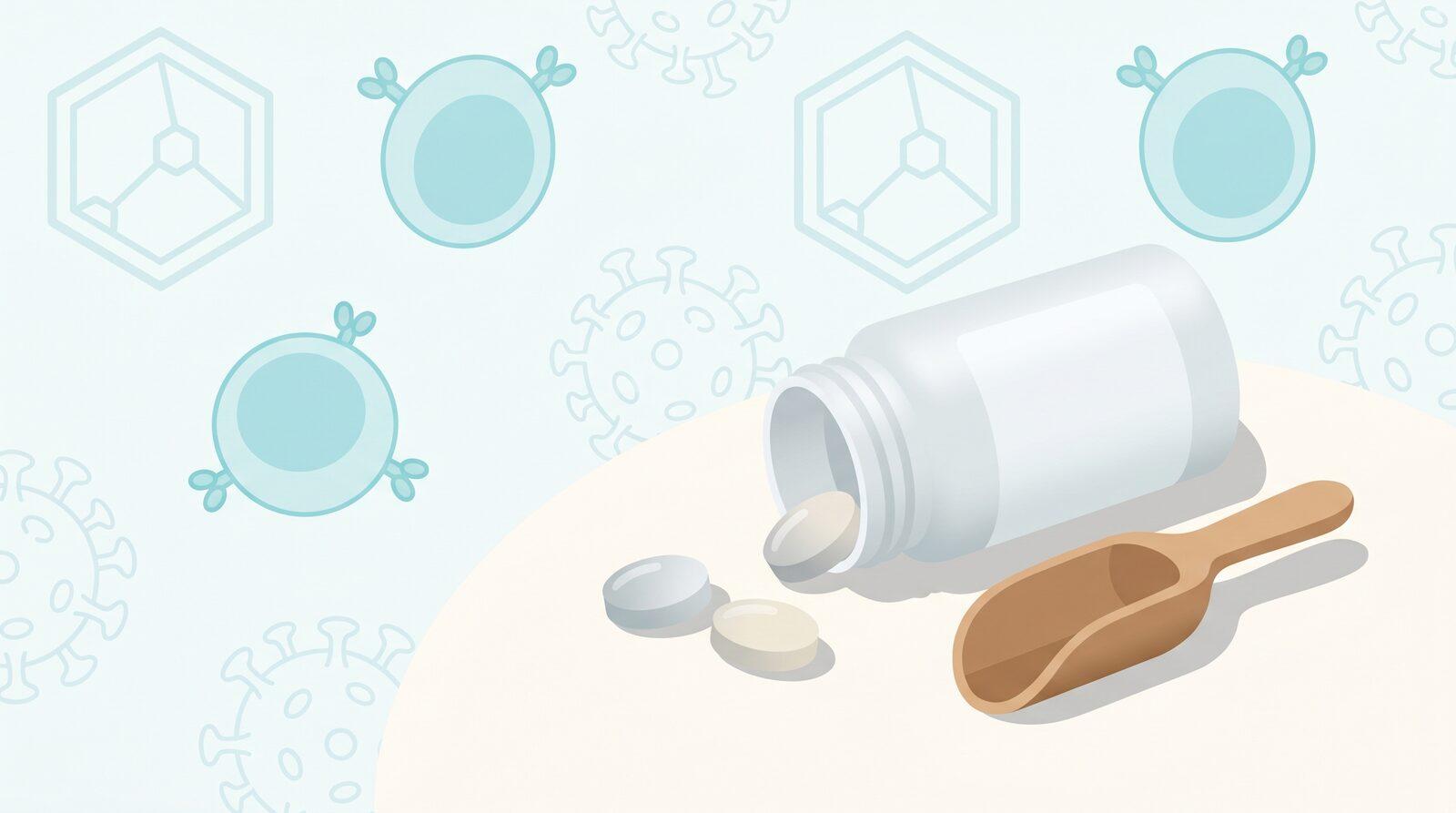
- Builds and activates immune cells. Both innate immune cells (neutrophils, natural killer cells) and adaptive immune cells (T cells, B cells) need zinc to develop, mature, and function. A deficiency directly weakens both arms of immunity.
- Wound healing and skin repair. Zinc is required for collagen synthesis and tissue regeneration.
- Taste and smell. Zinc-dependent enzymes maintain the function of taste buds and olfactory cells. Loss of taste is a classic early symptom of deficiency.
- DNA synthesis and cell division. Especially relevant in pregnancy, childhood growth, and any rapidly dividing tissue.
- Testosterone and reproductive health. Zinc is required for normal testosterone production and sperm function in men, and for normal hormonal cycling in women.
The link to immunity is the most well-known, but the broader picture matters. A small zinc deficit shows up as more frequent infections, slow-healing cuts, dulled taste, and unexplained skin problems long before any blood test would flag it.
If you're still deciding which app to trust with your routine, our guide to the best supplement tracker apps compares the leading options honestly.
The Cold Story: What the Research Actually Shows
This is where most people get zinc wrong, and most marketing gets it exactly right enough to be misleading.
Multiple meta-analyses, including a 2024 Cochrane review covering 34 trials, have looked at zinc lozenges for the common cold. The headline finding is consistent: when used correctly, zinc lozenges shorten cold duration by about 1 to 2 days on average. Severity drops modestly too.
But "when used correctly" is doing enormous work in that sentence. The studies that show benefit share four very specific features:
- Started within 24 hours of the first symptom. Begin on day three and the effect collapses to nothing.
- Total daily dose of at least 75 mg of elemental zinc, split across multiple lozenges (typically every 2 to 3 waking hours).
- Zinc gluconate or zinc acetate, not other forms. The form that releases free zinc ions in the mouth is what matters.
- No citric acid, magnesium, or sweetener that binds zinc in the lozenge formulation. Many over-the-counter products contain exactly these binders.
Use zinc that way and the studies stand up. Take a zinc gummy two days into a cold and the effect is essentially placebo.
A few things zinc does not do, despite the marketing:
- It does not "boost" immunity in healthy people who aren't deficient. Taking zinc daily as a non-deficient adult does not make you less likely to catch a cold.
- It does not prevent flu, COVID, or other viral infections in any meaningful way. Trial data on prevention is far weaker than the cold-treatment data.
- It does not work as a long-term daily prophylactic. The lozenge data is specifically about acute treatment over a few days, not chronic dosing.
If you want zinc to help with a cold, the protocol is precise. If you're taking it daily for general immunity without a deficiency, you're probably wasting money and risking copper imbalance (more on that in a minute).
The Forms: Why It Matters More Than for Most Supplements
Zinc supplements come in at least seven different chemical forms, and unlike with most vitamins, these forms genuinely differ in absorption and use case.
- Zinc picolinate. Generally well-absorbed in studies; a popular choice for daily supplementation.
- Zinc citrate. Comparable absorption to picolinate at typical doses; gentle on the stomach.
- Zinc gluconate. The form used in most lozenge studies for colds; also fine for daily oral use.
- Zinc acetate. The other form with strong cold-shortening evidence in lozenges.
- Zinc bisglycinate / glycinate chelate. Bound to glycine; well-tolerated, often less GI upset at higher doses.
- Zinc sulfate. Cheap and effective, but more likely to cause nausea on an empty stomach.
- Zinc oxide. Poor absorption from oral supplements (it's mostly used in skincare and sunscreens for a reason). Avoid in pill form unless paired with a meal and even then it's not a strong choice.
For most people taking zinc for general nutrition or to address a deficiency, picolinate, citrate, or bisglycinate are the cleanest defaults. For acute cold treatment, gluconate or acetate lozenges with the right dosing protocol are the only forms with strong evidence.
If you want a deeper look at how to evaluate which form a label is actually selling you (because "zinc 50 mg" can mean very different things depending on what salt is on the back of the bottle), see our supplement label buyer's guide.
Dosage: The "More Is Better" Trap
The recommended daily intake of zinc for most adults is 8 mg for women and 11 mg for men. The tolerable upper limit (the dose above which side effects become likely with chronic use) is 40 mg per day for adults.
A typical "high potency" zinc supplement on the shelf is 50 mg. Some are 100 mg.
This is a real problem, not a theoretical one. Long-term zinc intake above 40 mg per day:
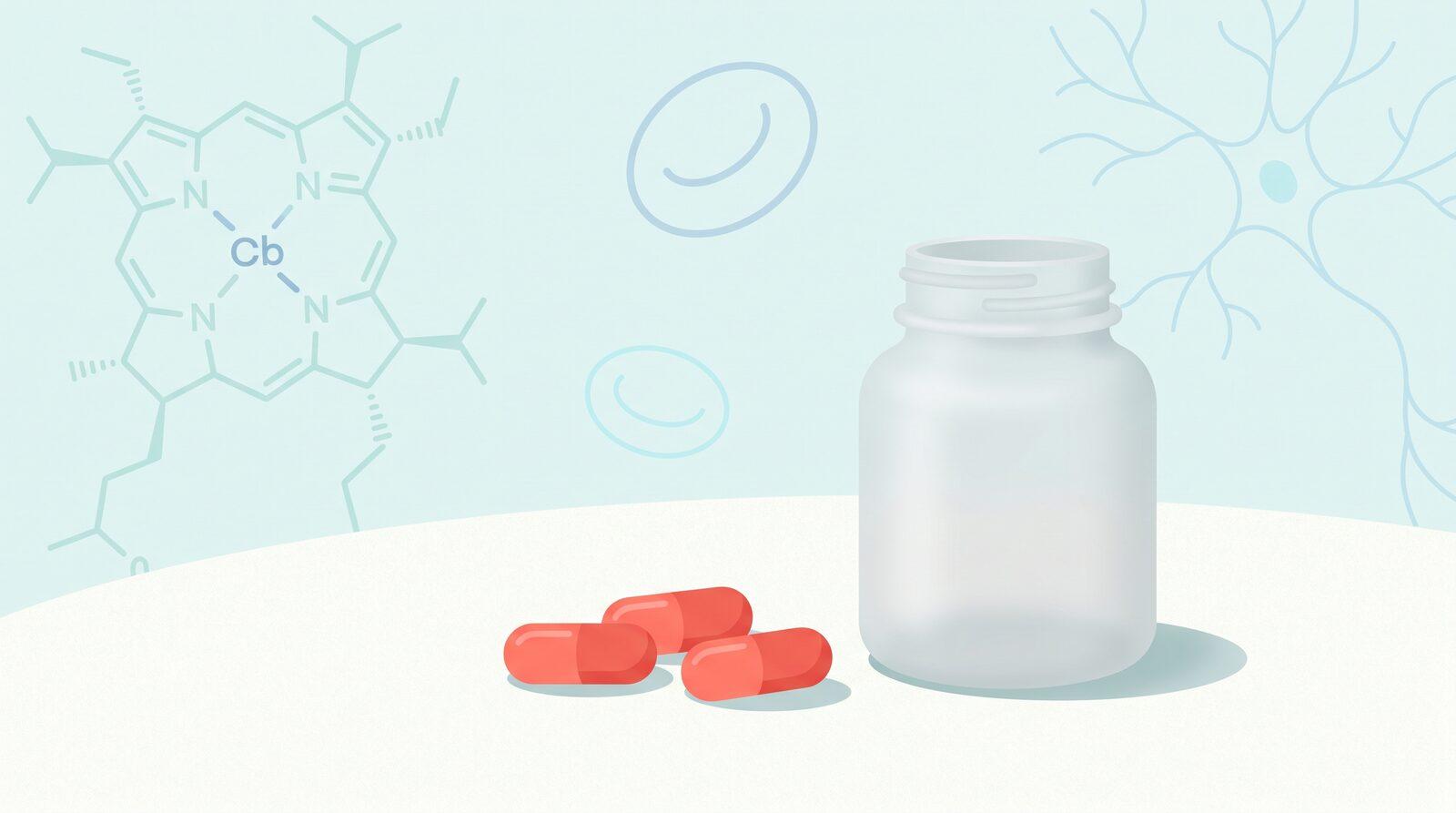
- Suppresses copper absorption. Zinc and copper compete for the same intestinal transporter. Sustained high zinc can quietly drive copper deficiency, which causes neurological symptoms (numbness, gait problems, weakness) and a different kind of anemia that doesn't respond to iron.
- Disrupts the immune system in the opposite direction. Paradoxically, very high zinc impairs immune function rather than enhancing it.
- Causes nausea and gastric upset. Especially without food.
- Lowers HDL cholesterol at chronic doses above 50 mg.
The cold-treatment protocol described above (75 mg+ for a few days) is short-term and acceptable for most adults. But taking 50 mg daily as a "general immune booster" for months on end is the kind of well-intentioned mistake that creates new deficiencies.
Sensible doses by use case:
- Daily maintenance for non-deficient adults: Either none, or 8 to 15 mg in a multivitamin or stand-alone.
- Vegans, vegetarians, and people at higher risk: 15 to 25 mg daily, ideally with food.
- Confirmed deficiency: 25 to 50 mg daily for a few weeks to months, under medical guidance, then taper to maintenance.
- Acute cold treatment: 75 to 100 mg total per day, lozenge form (gluconate or acetate), starting within 24 hours of symptoms, for no longer than 7 days.
Who Actually Needs to Supplement
Most adults eating a varied diet that includes meat, shellfish, beans, nuts, and whole grains hit their zinc target without trying. Oysters alone are off the chart (a single serving can deliver 5x the daily requirement). Beef, pumpkin seeds, lentils, chickpeas, and yogurt all contribute meaningfully.
The groups that genuinely tend to run low or need supplementation:
- Vegans and strict vegetarians. Plant zinc is bound to phytates that reduce absorption by 30 to 50%. Soaking, sprouting, and fermenting grains and legumes helps, but a baseline supplement of 15 to 25 mg is reasonable.
- People with chronic GI conditions. Crohn's, ulcerative colitis, celiac disease, and chronic diarrhea all impair zinc absorption.
- Heavy alcohol users. Alcohol increases zinc loss via urine and reduces dietary uptake.
- Older adults. Reduced appetite, reduced absorption, and lower stomach acid combine to lower zinc status, similar to the B12 picture.
- Pregnant and breastfeeding people. Zinc demands increase, and most prenatal vitamins include 11 to 25 mg.
- Athletes and people who sweat heavily. Sweat is a non-trivial route of zinc loss.
- People on long-term diuretics or certain ACE inhibitors. These drugs increase urinary zinc excretion.
If you don't fall into any of these groups and you eat a mixed diet, you almost certainly don't need a daily zinc supplement. The cold-protocol use case is separate, time-limited, and stops when you feel better.
The Zinc-Copper Balance (The Detail Most Articles Skip)
This is the single most important thing to remember if you're going to take zinc daily for any extended period: above about 25 mg of zinc per day, start thinking about copper.
The two minerals are linked through a shared intestinal binding protein. High zinc induces metallothionein, which preferentially traps copper and prevents its absorption. The early signs of induced copper deficiency are subtle (fatigue, mild balance issues, tingling in fingers) and easily blamed on something else. Late signs are not subtle: progressive neurological symptoms that can be partially irreversible.
Practical rules:
- For daily zinc above 25 mg, take 1 to 2 mg of copper alongside (often easiest in a single combo supplement labeled with both, at roughly an 8 to 15:1 zinc-to-copper ratio).
- For short-term cold treatment (7 days or less), don't worry about copper supplementation.
- If you're taking a multivitamin that already contains copper, account for that.
Many quality zinc supplements are now sold as zinc plus copper for exactly this reason. Reading the label and adding the numbers is a 30-second habit that prevents a slow-moving problem.
How to Take Zinc Without Side Effects
The two practical rules that matter:
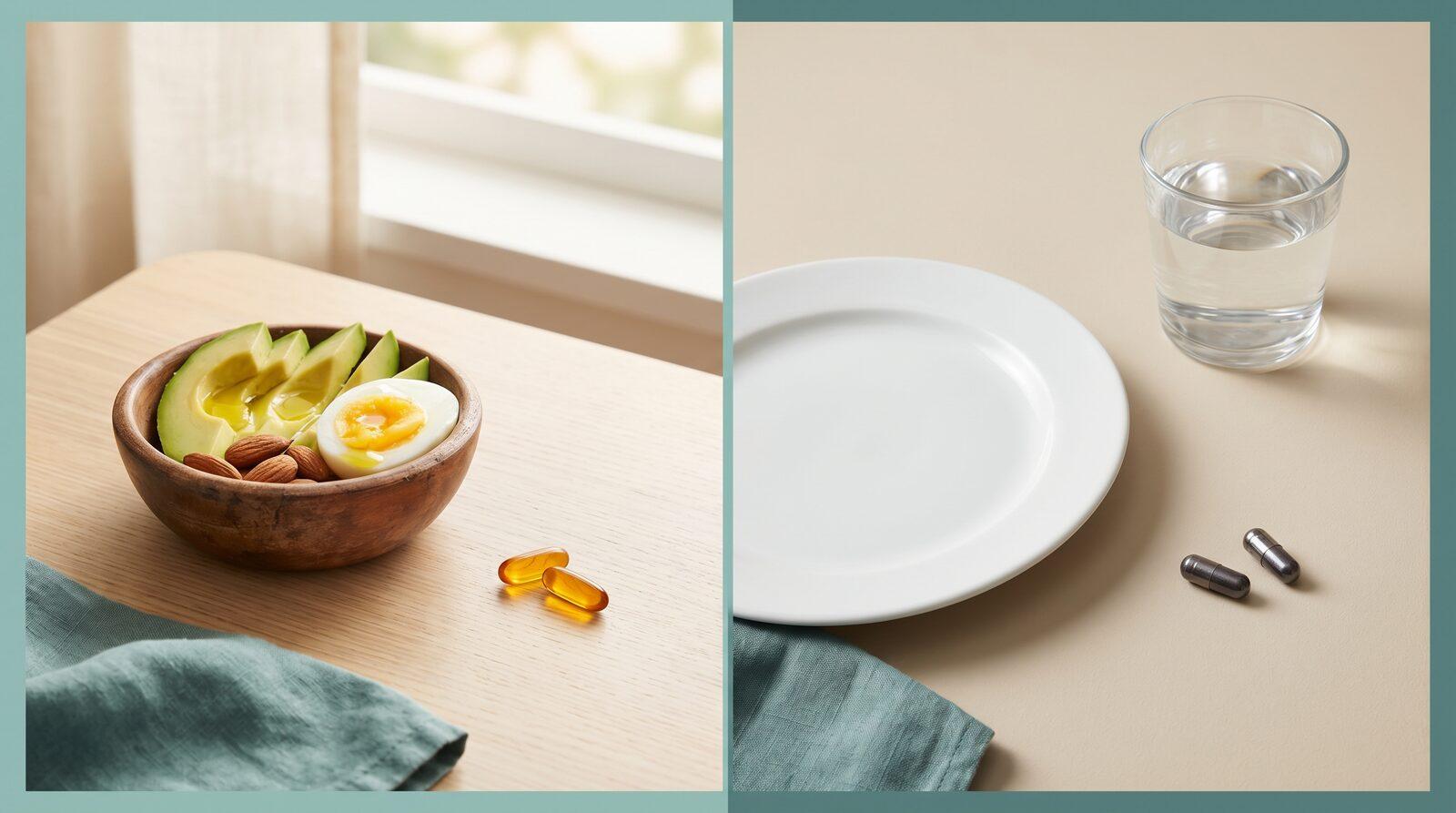
- Take it with food. Zinc on an empty stomach is one of the most reliable ways to feel queasy 30 minutes later. A small meal solves it. For more on which supplements actually need food, see our food vs empty stomach guide.
- Separate it from iron and calcium by a few hours. Zinc competes with both for absorption when taken in a single dose with milligram-level amounts of either.
Other timing details: zinc absorbs equally well morning or evening; you do not need fancy delivery forms; sublingual zinc is mostly marketing outside of acute cold lozenges.
How to Know If You're Actually Deficient
Unlike B12 or vitamin D, there's no perfect blood test for zinc status. Serum zinc is influenced by recent meals, infections, and even time of day. A low serum zinc is meaningful; a normal serum zinc doesn't rule out cellular-level deficiency.
Symptoms that warrant a check:
- Frequent or unusually long-lasting colds and infections
- Slow-healing cuts and skin lesions
- Diminished taste or smell that isn't explained by another cause
- Hair thinning or brittle nails with white spots
- Persistent skin issues (acne resistant to standard treatments, eczema flares)
- Loss of appetite
Many of these overlap with other deficiencies (iron, B12, thyroid issues) and with stress and poor sleep. If symptoms persist, a clinician can interpret a serum zinc in context, sometimes alongside copper and ceruloplasmin, to get a fuller picture.
Track What Actually Works
Zinc is a supplement where the data is good and the dosing is precise, which makes it perfect for tracking.
If you're using zinc for an acute cold: log the start time of symptoms, the time of your first lozenge, the dose schedule, and how you feel each day. After two or three colds, you'll know whether the protocol genuinely shortens your symptoms or doesn't move the needle for you personally.
If you're using zinc as a daily supplement: log the dose, the form, and whether you're paired with copper. Note any change in immune frequency, taste, skin, or wound healing over 8 to 12 weeks. Watch for early signs of overdoing it (nausea, metallic taste, low HDL on bloodwork).
Zinc isn't a hero supplement. It's a precision tool. Used correctly, with the right form and dose at the right moment, it does exactly what the studies say it does. Used carelessly, daily, in megadoses, it quietly creates a different deficiency. The supplements that work best are usually the ones taken with this level of attention.
This article is for educational purposes and does not constitute medical advice. Talk to a qualified healthcare provider before starting any new supplement, especially if you have a medical condition or take prescription medications.