Joint supplements are one of the biggest categories in the store and one of the most oversold. Glucosamine and chondroitin are the headline ingredients, usually sold together, and the honest read of the evidence is that they are safe, well tolerated, and modestly helpful at best, with large high-quality trials often finding them no better than placebo for the average person. A subset of people with moderate to severe knee osteoarthritis do seem to get real pain relief, which is why guidelines are split rather than uniformly against them. If you try them, use glucosamine sulfate (not hydrochloride) at 1,500 mg a day and chondroitin at 800 to 1,200 mg, give it a genuine 8 to 12 week trial, and stop if nothing changes. MSM has thinner evidence but is low risk. For many people, omega-3, curcumin, and collagen have at least as much support for joint comfort, and losing excess weight plus targeted strength work outperforms any pill. Glucosamine can affect blood sugar readings and may interact with blood thinners, and shellfish-derived versions matter if you have an allergy. Treat joint supplements as a low-stakes experiment you actually measure, not a guaranteed fix.
Walk down the joint-health aisle and you will find some of the most confident packaging in the whole store. Big bottles, bigger promises: rebuild your cartilage, lubricate your joints, walk without the ache. Glucosamine and chondroitin have been bestsellers for decades, MSM rides along in most blends, and millions of people take them faithfully for stiff knees, sore hips, and creaky hands.
So it is a little awkward that the science is so much quieter than the marketing. The honest version is not "they are useless" and it is not "they rebuild your joints." It sits in the uncomfortable middle, where a real but modest effect for some people gets sold as a miracle for everyone. Here is what the evidence actually shows, and how to decide whether a joint supplement is worth your money.
What These Supplements Are Supposed to Do
Glucosamine and chondroitin are not random plant extracts. They are building blocks your body genuinely uses. Glucosamine is a natural compound involved in making and maintaining cartilage, the smooth tissue that cushions the ends of your bones. Chondroitin is a major component of cartilage that helps it hold water and resist compression. MSM (methylsulfonylmethane) is a sulfur compound promoted mainly for inflammation and pain.
The theory is intuitive: osteoarthritis is the gradual breakdown of cartilage, so feeding your body more of the raw materials should help rebuild or at least protect it. It is a tidy story, and tidy stories sell. The catch is that swallowing a cartilage building block does not mean it travels neatly to your knee and gets installed. Whether it does anything useful is a question the body answers, not the label, and that is where the trials come in.
What the Evidence Actually Shows
This is one of the most heavily studied corners of the supplement world, which is both good and inconvenient, because the studies disagree.
The most quoted large, independent trial tested glucosamine, chondroitin, the combination, and a placebo in people with knee osteoarthritis. For the overall group, the supplements were not meaningfully better than placebo. But a subgroup with moderate to severe knee pain did appear to get relief from the combination. That split result is basically the whole story in miniature: nothing dramatic on average, something real for a slice of people with worse symptoms.
Pile up the rest of the research and the pattern holds. Many high-quality, independently funded trials find glucosamine and chondroitin no better than placebo for pain or function. Some trials, often using a specific prescription-grade form of glucosamine sulfate common in Europe, find a modest benefit. Industry-funded studies tend to look more favorable than independent ones, which is a flag worth noticing.
The result is that expert guidelines are genuinely split. Some arthritis bodies recommend against routine use because the average effect is so small; others leave room for a trial, especially given how safe these supplements are. When the guidelines themselves cannot agree, you should be suspicious of anyone selling you certainty.
MSM has the thinnest evidence of the three. A handful of small studies hint at modest pain and stiffness improvements, but the trials are short and not robust enough to lean on. It is not snake oil, but it is not well proven either.
If the Effect Is So Small, Why Do People Swear By It?
Two honest reasons, and they matter for how you read your own results.
First, the placebo effect is unusually strong with joint pain. Pain is subjective and fluctuates on its own, osteoarthritis flares and settles in cycles, and the simple act of taking something for your knees genuinely changes how you perceive them. In trials, the placebo groups often improve a lot. That does not make the relief fake to the person feeling it, but it does mean "I took it and felt better" is weak evidence that the pill itself did the work.
Second, the subgroup effect is real. If you are one of the people with moderate to severe osteoarthritis who responds, the benefit can be meaningful and worth the modest cost. The problem is there is no test to tell in advance whether you are a responder. The only way to find out is a careful trial where you actually track the outcome, which we will get to.
Before you commit to one app, it's worth reading our honest comparison of supplement tracker apps.
How to Take Them, If You Try
If you decide to test joint supplements, the details make the difference between a fair trial and a wasted one.
- Use glucosamine sulfate, not hydrochloride. Most of the more positive evidence used the sulfate form. Glucosamine hydrochloride is common and cheaper but has weaker supporting data. Check the label for which one you are buying.
- Dose glucosamine at 1,500 mg per day. This is the amount used in most trials, taken as a single dose or split across the day.
- Dose chondroitin at 800 to 1,200 mg per day, which is the range used in the combination studies. The two are usually sold together, which is reasonable.
- Give it 8 to 12 weeks. These are not painkillers; any benefit builds slowly. Judging them after a week tells you nothing. This slow ramp is true of most joint and structural supplements, the same patience that the realistic supplement timeline lays out.
- Then decide honestly. If you have given it a genuine two to three month run at the right dose and form and nothing has changed, you are probably not a responder. Stop and put the money elsewhere.
Safety, Side Effects, and Who Should Be Careful
The strongest thing going for these supplements is their safety. Glucosamine, chondroitin, and MSM are well tolerated by most people, with side effects usually limited to mild digestive upset. That low risk is exactly why some clinicians are fine with a patient trying them, even while doubting they do much.
A few real cautions, though:
- Shellfish allergy. Most glucosamine is derived from shellfish. If you are allergic, look for a vegetarian or fermented-corn version, or skip it.
- Blood sugar. Glucosamine is an amino sugar, and there has been concern about effects on blood glucose and insulin. If you have diabetes or prediabetes, monitor and mention it to your doctor.
- Blood thinners. Chondroitin is structurally similar to heparin and there are reports of glucosamine-chondroitin increasing the effect of warfarin. If you take an anticoagulant, clear it with your clinician first. This is the kind of overlap worth checking against the broader list of supplements you should not take together.
- Pregnancy. Evidence is limited, so it is generally not recommended.
What Often Works Better for Joints
Here is the part the joint aisle would rather you skipped: for many people, other approaches have at least as much evidence for joint comfort, and some have far more.
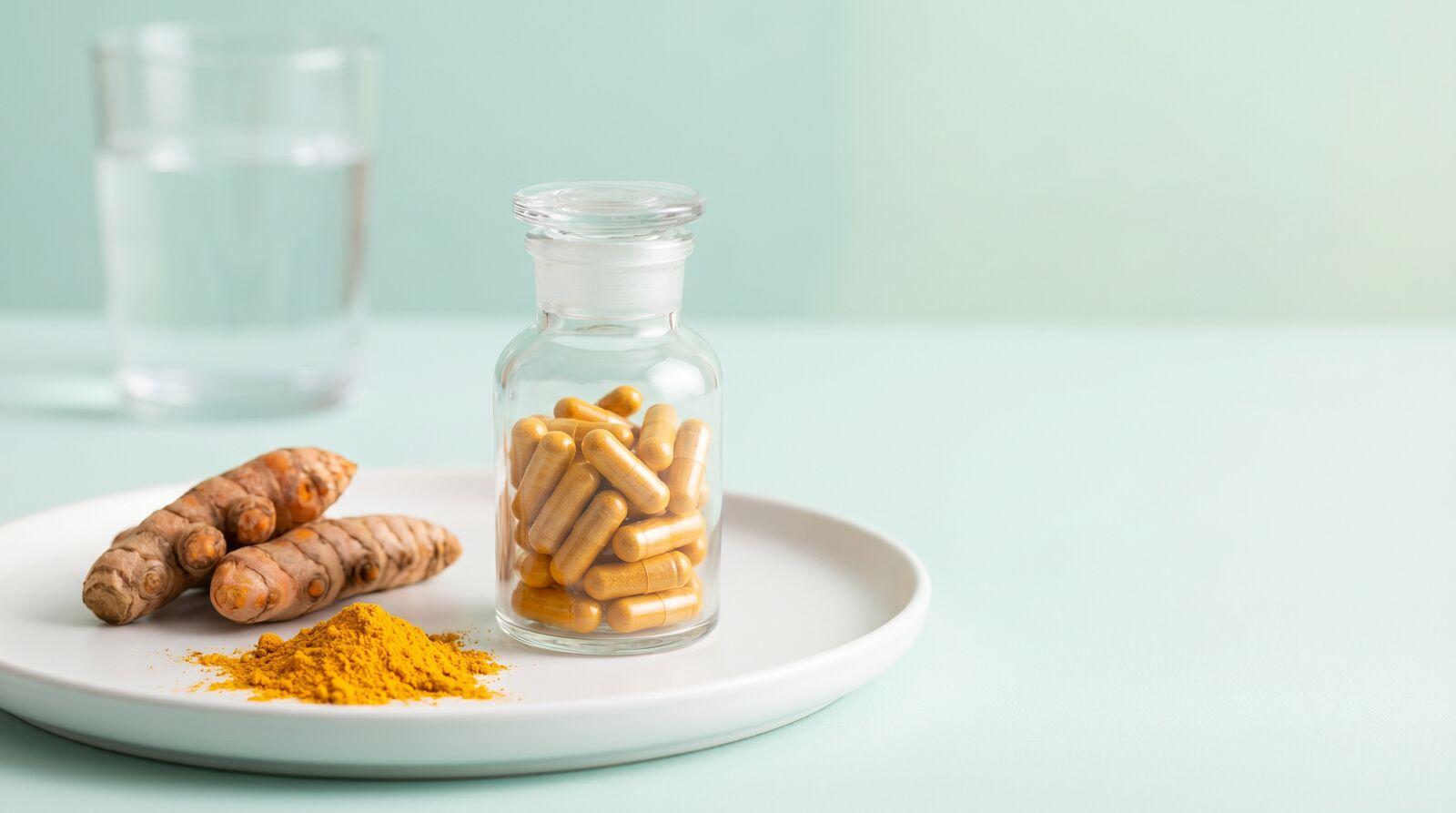
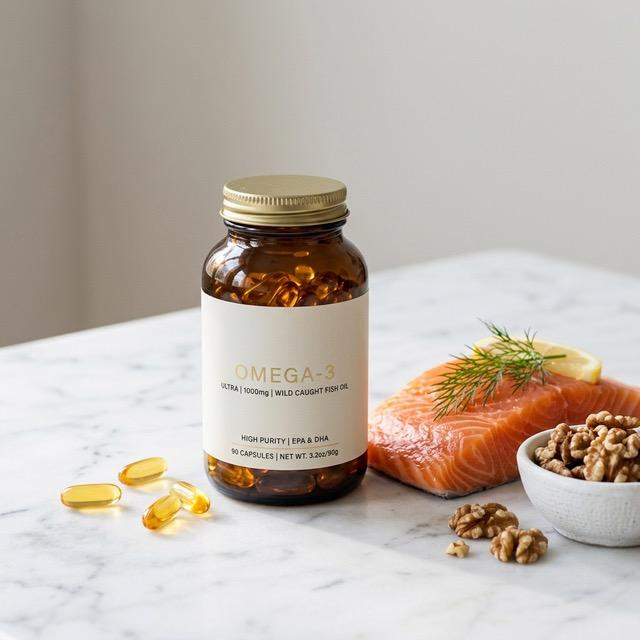
On the supplement side, omega-3 fatty acids have solid backing for reducing inflammation and are frequently recommended for joint stiffness, particularly in inflammatory conditions; the practical amounts are in our omega-3 dosage guide. Curcumin, the active compound in turmeric, has a growing body of trials suggesting it can ease osteoarthritis pain about as well as some common anti-inflammatories in head-to-head studies, with the big caveat about absorption covered in our turmeric and curcumin guide. Collagen has modest but real support for joint comfort in active people, which we cover in the collagen supplements breakdown.
But the most effective interventions for joint pain are not in a bottle at all. Losing excess weight dramatically reduces the load on knees and hips and consistently outperforms supplements in trials. Targeted strength training, especially for the muscles around an aching joint, is one of the best-evidenced treatments for osteoarthritis there is. Staying active rather than resting a stiff joint into further weakness matters more than any capsule. A supplement, at best, is a small addition on top of those levers, not a substitute for them.
The Honest Bottom Line, and How to Test It Yourself
Joint supplements are safe, generally cheap, and modestly helpful for some people with real osteoarthritis, while doing little to nothing for the average user. That is a genuinely reasonable thing to try, as long as you go in with calibrated expectations and treat it as an experiment rather than an article of faith.
And because the effect is small and the placebo response is large, this is exactly the category where guessing fails you. The way to get a real answer is to change one thing at a time and write down what happens. Start glucosamine sulfate at the right dose, keep everything else steady, and rate your joint pain and stiffness regularly, like a daily or weekly 0-to-10 score, for the full 8 to 12 weeks. If the numbers genuinely drift down and stay down, you may be a responder and it is earning its place. If two months of honest tracking shows a flat line, that is your answer, and it is a useful one: your money and effort are better spent on weight, strength, and the supplements with stronger evidence. Running that kind of clean, single-variable trial is the entire idea behind tracking your supplements consistently, and a simple daily reminder plus a pain log in Supplement Tracker turns a vague "I think it helps" into something you can actually trust.
This article is for educational purposes and does not constitute medical advice. Glucosamine may affect blood sugar and can interact with blood-thinning medication, and most glucosamine is shellfish-derived. Talk to a qualified healthcare provider before starting, stopping, or changing supplements, especially if you have a health condition, take medication, are pregnant, or have persistent or worsening joint pain.