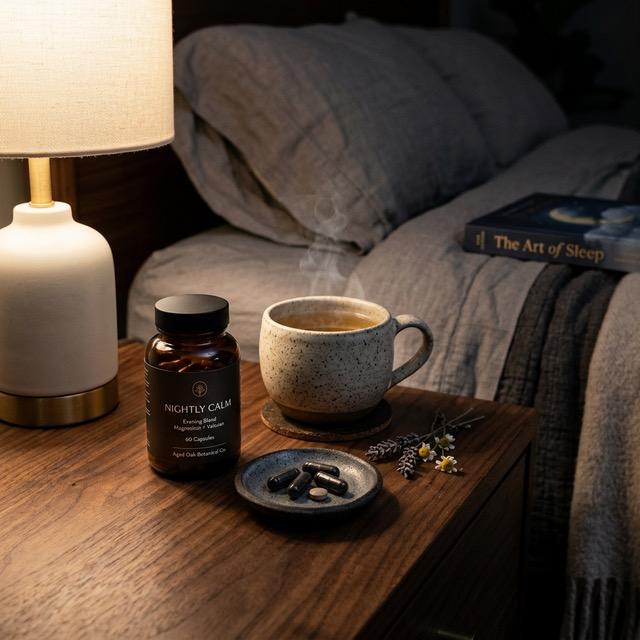
Magnesium can genuinely help sleep, but mostly by calming a wired nervous system and easing the muscle tension and restlessness that keep you up, not by knocking you out like a sedative. The effect is real but modest, and it is strongest if your intake or levels are low to begin with. The form matters more than the brand. Magnesium glycinate is the default for sleep: well absorbed, gentle on the stomach, and bound to glycine, which is itself mildly calming. Magnesium threonate is marketed for the brain but has thin sleep evidence and a high price. Magnesium taurate suits people who also want cardiovascular and calming support. Citrate works but can loosen your stool. Avoid magnesium oxide for sleep: it is cheap, poorly absorbed, and mostly a laxative. A sensible dose is 200 to 400 mg of elemental magnesium taken 30 to 60 minutes before bed, started low and ramped up. Magnesium will not fix poor sleep hygiene, apnea, or a racing mind on its own, so treat it as one adjustable variable and track whether it actually moves your sleep before committing.
Magnesium has quietly become the internet's favorite sleep aid. The "sleepy girl mocktail," a mix of magnesium powder, tart cherry juice, and sparkling water, racked up millions of views, and "magnesium for sleep" is now one of the most searched supplement questions there is. The enthusiasm is not baseless. Magnesium really does play a role in the systems that govern relaxation and sleep, and a lot of people genuinely do not get enough of it.
But the way it gets talked about online sets a trap. Magnesium is not a sedative, it will not reliably knock you out, and the cheap tub at the back of the pharmacy shelf is mostly a laxative. Whether magnesium does anything for your sleep comes down almost entirely to which form you buy, how much you take, and whether you were short on it in the first place. Here is the honest version.
What Magnesium Actually Does for Sleep
Magnesium is involved in over 300 enzymatic reactions, and several of them touch the systems that wind your body down at night. It supports the activity of GABA, the main calming neurotransmitter, and helps regulate the nervous system's stress response. Low magnesium is associated with higher cortisol, more muscle tension, and the kind of restless, can't-switch-off feeling that keeps people staring at the ceiling.
So the mechanism is real. The honest caveat is the size of the effect. Magnesium is not a knockout drug. What it tends to do is take the edge off: less muscle twitching and cramping, a calmer nervous system, an easier time settling down. For someone whose sleep is wrecked by a wired-up body and mind, that can be the difference between a rough night and a decent one. For someone already sleeping fine, it usually does very little.
The single biggest predictor of whether magnesium helps you is whether you were low to begin with. Intake below the recommended amount is common, and certain groups are more likely to run short: older adults, people on diuretics or proton pump inhibitors, heavy drinkers, and anyone eating a diet thin on leafy greens, legumes, nuts, and whole grains. If that is you, topping up is where the clearest benefits show. If your levels are already fine, expect a gentler result.
Staying consistent with a daily supplement routine is much easier with a dedicated app, and we have compared the leading supplement tracker apps to help you pick the right one.
The Form Is What Trips People Up
Here is the part the trend videos skip. "Magnesium" on a label is always bound to something else, and that something decides how much your body absorbs and what side effects you get. Buy the wrong form and you can take magnesium faithfully every night and get nothing but a trip to the bathroom.
The numbers on the front of the bottle also mislead. A label boasting "500 mg" usually refers to the whole compound, not the elemental magnesium your body actually uses, which can be a fraction of that. What matters for sleep is the elemental dose and how well the form is absorbed.
The Best Magnesium Forms for Sleep
Magnesium glycinate (or bisglycinate): the default choice. This is the form most worth reaching for at night. It is well absorbed, gentle on the stomach, and unlikely to cause the laxative effect that derails other forms. The bonus is the glycine it is bound to: glycine is itself a mildly calming amino acid linked to better sleep quality and a lower core body temperature, which is one of the body's sleep signals. For most people asking "which magnesium for sleep," glycinate is the answer. The fuller comparison of glycinate against the everyday alternative lives in our guide to magnesium glycinate vs citrate.
Magnesium threonate (L-threonate): marketed hard, thin on sleep proof. This form is promoted for crossing into the brain and supporting cognition, and it shows up constantly in premium "sleep and focus" blends. The catch is that the human evidence for it specifically improving sleep is thin, and it is one of the most expensive forms on the shelf. If brain-specific support is your goal and budget is no object, it is reasonable to try. As a first pick purely for sleep, glycinate gives you more for less.
Magnesium taurate: calm plus cardiovascular support. Bound to the amino acid taurine, this form is favored by people who want a calming effect alongside heart and blood-pressure support. It is well tolerated and a sensible evening option, especially if cardiovascular health is also on your mind. It is less widely stocked and often pricier than glycinate.
Magnesium citrate: it works, but mind the bathroom. Citrate is well absorbed and inexpensive, and plenty of people use it without issue. But it has a mild osmotic laxative effect, which is exactly why it is sold for constipation. At sleep-relevant doses some people are fine and others are not. If a low dose does not loosen your stool, it is a perfectly workable budget option for sleep.
Magnesium malate: better suited to daytime. Malate is often paired with energy and muscle support and is sometimes suggested for daytime use rather than bedtime. It is not a bad form, just not the obvious one to reach for when the goal is winding down.
Magnesium oxide: skip it for sleep. This is the cheap, ubiquitous form, and it is poorly absorbed and primarily acts as a laxative. It is fine as an occasional remedy for constipation, but it is close to the worst choice if your actual goal is sleep.
How Much to Take, and When
A reasonable sleep dose sits around 200 to 400 mg of elemental magnesium, taken 30 to 60 minutes before bed. Start at the low end and increase gradually rather than jumping straight to the maximum. This both lets you find the smallest dose that works and reduces the chance of digestive upset, especially with forms that have any laxative tendency.
A few practical notes. Keep your total supplemental magnesium within sensible limits unless a clinician has told you otherwise, since very high doses mainly cause diarrhea and, in people with kidney problems, can be genuinely risky. Magnesium can also interfere with the absorption of certain medications and minerals, so it is often best spaced apart from them: the same timing logic laid out in our guide to supplements you should not take together. And taking it as part of a consistent wind-down routine, the way an evening supplement stack is built, tends to work better than treating it as an emergency fix on bad nights.
Who Actually Benefits, and Who Won't Notice Much
Magnesium for sleep is most likely to help if you:
- Eat a diet low in greens, legumes, nuts, and whole grains, or otherwise have low intake.
- Are older, drink heavily, or take medications that deplete magnesium.
- Get nighttime muscle cramps, twitching, or restless legs.
- Feel physically wired and tense at bedtime and struggle to settle.
One group worth singling out is anyone in early sobriety. Heavy drinking depletes magnesium, and disrupted, fragmented sleep is one of the most common and demoralizing parts of the first weeks without alcohol. Topping up magnesium will not fix that on its own, but it is a low-risk piece of a broader recovery routine. If you are rebuilding your sleep alongside cutting back, our sister app Sober Tracker helps you track the milestones, mood, and sleep changes that come with it.
It is likely to do less if you already eat plenty of magnesium-rich food, sleep reasonably well, and your problem is mainly behavioral, like late caffeine, an irregular schedule, or scrolling in bed. In those cases magnesium is not the lever that will move things, and no form or dose changes that.
What Magnesium Won't Do
Setting expectations honestly is what keeps you from wasting months on the wrong fix. Magnesium will not sedate you into sleep the way a sleeping pill does. It will not override poor sleep hygiene, fix sleep apnea, or quiet a genuinely racing, anxious mind on its own. If you suspect a sleep disorder, or if poor sleep has persisted for weeks despite the basics, that is a conversation for a doctor, not a bigger scoop of powder. Magnesium is a gentle nudge toward easier, calmer sleep, not a cure for insomnia.
Track Whether It Actually Works for You
Because magnesium's effect is real but modest, it is exactly the kind of supplement that rewards honest tracking and punishes guessing. The classic mistake is changing five things at once: starting magnesium the same week you cut evening caffeine, buy a new mattress, and add melatonin. When sleep improves you will have no idea what did it, and when it does not you will blame the wrong thing.
Instead, change one variable. Pick a single form, settle on a dose, take it consistently for a couple of weeks, and log how you actually sleep: time to fall asleep, night wakings, how rested you feel. Watch the trend across two weeks rather than judging a single rough night. If glycinate at a fair dose moved nothing after a genuine trial, that is useful information, and it points you toward a different fix rather than a different magnesium. Isolating one variable and giving it time is the whole idea behind tracking your supplements consistently, and a daily reminder plus a simple log in Supplement Tracker makes the experiment easy to actually run.
The honest summary: magnesium can genuinely help you sleep, but as a calming nudge rather than a sedative, and mostly if you were short on it. Reach for glycinate first, dose 200 to 400 mg of elemental magnesium 30 to 60 minutes before bed, start low, skip oxide, and let two weeks of honest tracking, not a viral mocktail, decide whether it earns a spot in your routine.
This article is for educational purposes and does not constitute medical advice. Magnesium can interact with certain medications, may cause diarrhea at higher doses, and can be risky for people with kidney disease. Talk to a qualified healthcare provider before starting, stopping, or changing supplements, especially if you take medication, have a health condition, or have ongoing sleep problems.