Iron deficiency affects ~1.6 billion people globally, but iron is not a supplement to take "just in case". Test ferritin and hemoglobin first. Premenopausal women need 18 mg/day (RDA), pregnancy 27 mg, men typically need none from supplements. For diagnosed deficiency, 45-65 mg of elemental iron daily for 3-6 months. Ferrous bisglycinate is the gentlest form. Take on an empty stomach in the morning with 200 mg vitamin C (boosts absorption up to 67%). Avoid calcium, coffee, tea, and zinc within 2 hours.
The supplement aisle has a strange relationship with iron. Half the products marketed to women include it as a default ingredient, often without explanation. Energy and vitality formulas push it to the top of the label. Meanwhile, every children's multivitamin carries a federally mandated warning that accidental iron overdose is one of the leading causes of poisoning death in young kids. Same nutrient, opposite framings.
Both are true.
Iron is one of the few supplements where getting the dose right genuinely matters in both directions. Too little for too long and you're quietly oxygen-starved: fatigued, breathless climbing a flight of stairs, foggy in the afternoon, hair shedding more than usual. Too much chronically and the body has no real way to get rid of it; it accumulates in the liver, heart, and pancreas in ways that don't easily reverse.
This guide is the honest version: who actually needs to supplement iron, who is wasting money or doing damage, why "alternate-day" has quietly become the new dosing standard, and how to avoid the GI misery that makes most people quit before they finish a bottle.
What Iron Actually Does in Your Body
Iron is the trace mineral your blood is built around. Roughly two-thirds of the iron in your body is bound up in hemoglobin, the protein in red blood cells that carries oxygen from your lungs to every tissue. Another chunk lives in myoglobin (which holds oxygen in muscle), and the rest sits in storage as ferritin in the liver, spleen, and bone marrow.
Beyond oxygen transport, iron is also a required cofactor for:
- Mitochondrial energy production. Every cell that makes ATP needs iron-containing enzymes in the electron transport chain.
- Neurotransmitter synthesis. Dopamine, norepinephrine, and serotonin all depend on iron-dependent enzymes. This is why low iron often shows up as low motivation and concentration problems before classic anemia symptoms appear.
- Immune function and thyroid hormone production. Both pathways quietly slow down with low iron.
The body has no active mechanism to excrete iron. Once absorbed, it stays unless lost through bleeding, sloughed gut cells, or sweat. That asymmetry, easy to absorb but hard to lose, is the entire reason iron supplementation needs respect rather than reflex.
If you're still deciding which app to trust with your routine, our guide to the best supplement tracker apps compares the leading options honestly.
The Two-Stage Deficiency
Iron deficiency does not show up overnight, and it does not show up as anemia first. It moves through stages, and the early one is the one most people miss.
Stage 1: Iron-deficient, not yet anemic. Stores (ferritin) drop. Hemoglobin still looks fine on a standard blood test. But you might notice creeping fatigue, exercise that suddenly feels harder, hair shedding, brittle nails, restless legs at night, or a strange craving for ice (a classic but underrated symptom called pagophagia). This stage is invisible without a ferritin test specifically.
Stage 2: Iron-deficiency anemia. Stores are exhausted, and the body can no longer produce enough hemoglobin. Now you get the textbook signs: paleness, breathlessness on light exertion, dizziness, headaches, and rapid heartbeat. A standard CBC will catch this; a ferritin test will show stores well below the floor.
The practical implication: a normal hemoglobin does not rule out iron deficiency. If your symptoms fit and your doctor only checked CBC, ask specifically for serum ferritin (and ideally transferrin saturation). Many people get told their iron is "fine" based on hemoglobin while their ferritin is sitting at single digits.
Who Actually Needs to Supplement
Five groups have a real, evidence-backed need for iron supplementation. If you're not in one, you almost certainly don't.
1. Menstruating women, especially with heavy periods
The single largest group. Average monthly blood loss replaces about 1 mg/day of iron demand on top of baseline needs. Heavy menstrual bleeding (more than 80 mL per cycle, or periods that soak through protection in under two hours) reliably depletes stores faster than diet can replace them. Roughly 1 in 4 women of reproductive age is iron deficient by ferritin criteria, and the rate climbs in heavy bleeders, IUD users with heavy cycles, and adolescents.
2. Pregnant people
Pregnancy nearly doubles iron demand. The body builds extra blood volume, the placenta requires iron, and the fetus pulls heavily from maternal stores in the third trimester. Most prenatal vitamins include 27 to 30 mg of iron for this reason, and even that is sometimes not enough for women who started pregnancy with low stores.
3. Vegans, vegetarians, and people who rarely eat red meat
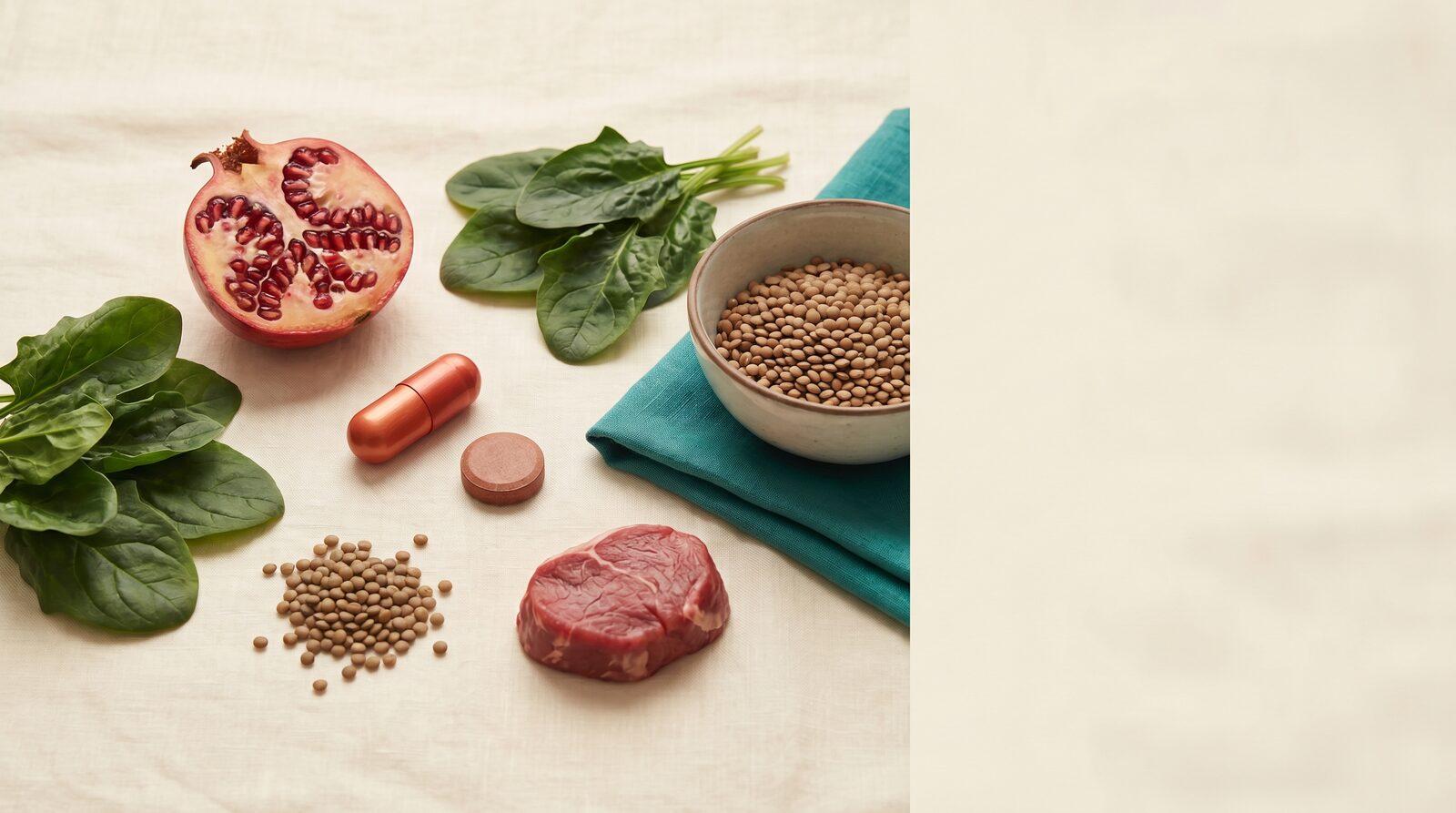
Plant iron (non-heme) is absorbed at roughly 2 to 10%, compared to 15 to 35% for heme iron from meat. A varied plant-based diet can absolutely meet iron needs, but it requires attention: lentils, chickpeas, pumpkin seeds, tofu, fortified cereals, and pairing them with vitamin C sources to boost absorption. Without that attention, ferritin tends to drift down. The picture is similar to the B12 case but with more dietary workarounds.
4. Endurance athletes and frequent blood donors
Both groups lose iron faster than the general population. Endurance training increases iron loss through sweat, GI microbleeding, and a phenomenon called foot-strike hemolysis (mechanical destruction of red blood cells from repetitive impact). Donating whole blood every 8 to 12 weeks removes about 200 to 250 mg of iron each time, which most diets cannot fully replace.
5. People with GI conditions or chronic blood loss
Celiac disease, inflammatory bowel disease, h. pylori infection, gastric bypass, and silent GI bleeding (from ulcers, polyps, or hemorrhoids) all cause iron loss or impair absorption. Iron-deficiency anemia in a man or postmenopausal woman without an obvious source is a red flag that warrants a GI workup, not just a supplement.
If you don't fall into any of these groups and you eat a varied diet, you almost certainly don't need an iron supplement. Many adult multivitamins now sell "iron-free" versions for this exact reason: dumping iron into a population that doesn't need it adds risk without benefit.
Heme vs Non-Heme: Why the Form on the Label Matters
There are two chemical environments iron comes in, and they behave differently in your gut.
- Heme iron. From animal sources (red meat, poultry, fish). Absorbed at 15 to 35% via a dedicated transporter, mostly unaffected by other foods in the meal. Available as a supplement (heme iron polypeptide) but rare and expensive.
- Non-heme iron. From plant foods, fortified products, and almost all standard supplements (ferrous sulfate, fumarate, gluconate, bisglycinate). Absorbed at 2 to 20%, heavily modulated by what else is in your gut at the time.
For non-heme iron supplements, absorption is improved by:
- Vitamin C (50 to 100 mg taken with the dose). The single most reliable booster.
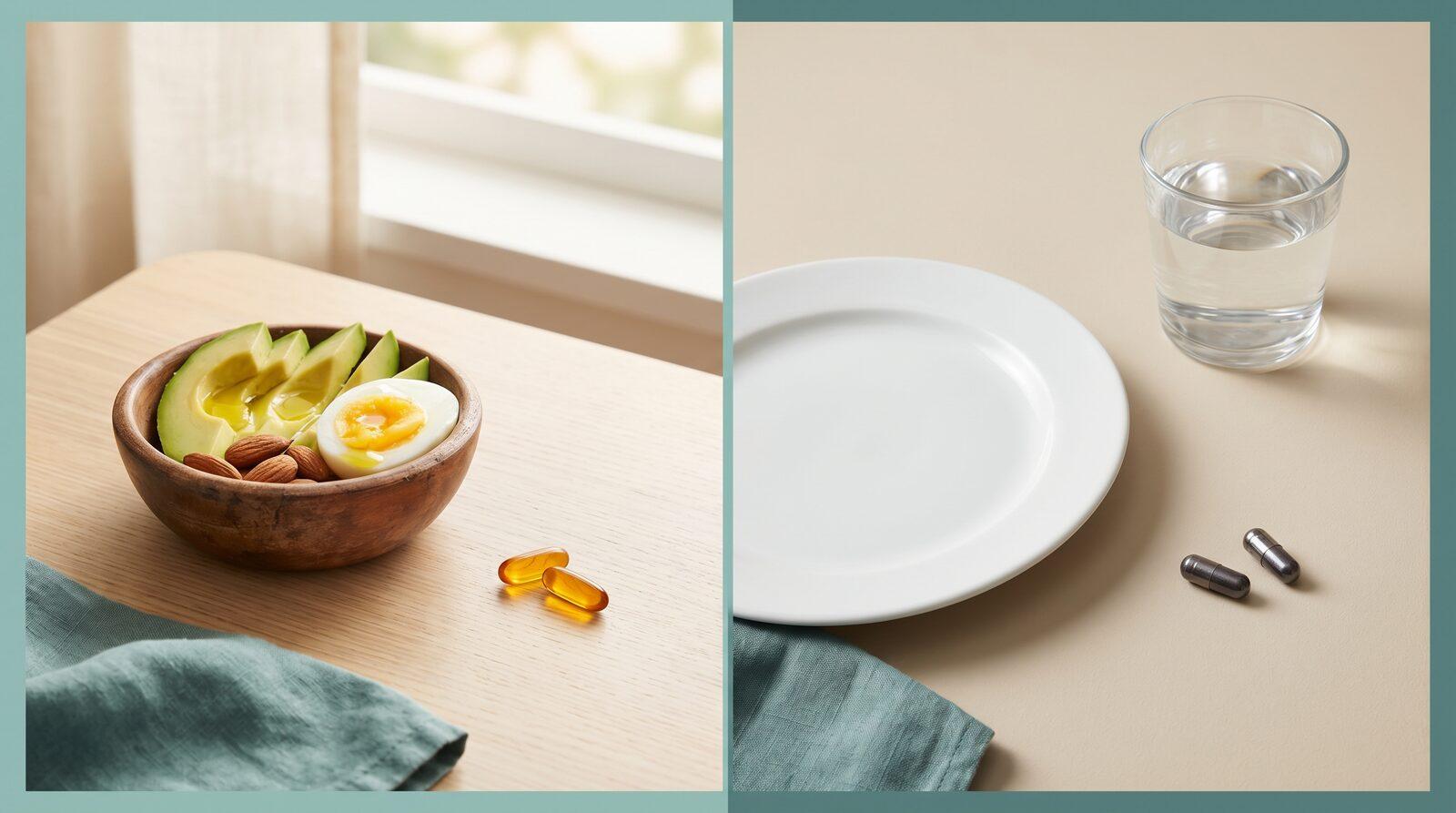
- An empty or near-empty stomach. Inconvenient, but it works.
- Acidic foods (citrus, tomato).
And reduced by:
- Calcium (dairy, calcium-fortified foods, calcium supplements). Take iron and calcium at least 2 hours apart.
- Coffee and tea. Polyphenols can cut absorption by 50 to 75% if consumed within an hour.
- Phytates in whole grains and legumes (mostly relevant in plant-heavy diets).
- Some medications: proton pump inhibitors, antacids, and tetracycline-class antibiotics.
This is exactly the territory where the food vs empty stomach question matters most. Iron is the textbook case: better absorbed without food, worse tolerated without food.
The Forms: What's Actually Worth Buying
Walk into a pharmacy and you'll see at least six forms of oral iron. They are not interchangeable.
- Ferrous sulfate. The classic. Cheapest, most studied, and the one most clinical guidelines default to. Delivers a lot of elemental iron per pill, but also the most likely to cause GI side effects.
- Ferrous fumarate. Higher elemental iron content per mg of compound; comparable absorption and tolerability to sulfate.
- Ferrous gluconate. Lower elemental iron per pill, often marketed as gentler. Whether it's actually gentler is debated; some people tolerate it better, but the data is mixed.
- Ferrous bisglycinate (iron chelate). Iron bound to glycine. Generally better tolerated, with fewer GI side effects at comparable doses, and reasonable absorption. Often the best starting choice for people who couldn't tolerate sulfate.
- Polysaccharide-iron complex. Marketed as gentle. Absorption is variable and probably lower than ferrous salts. Mixed evidence for clinical effectiveness.
- Heme iron polypeptide. Expensive but highly bioavailable; useful for people who need iron but can't tolerate any non-heme form.
- IV iron. Not a pill. Reserved for severe deficiency, malabsorption, or when oral iron has failed. Done in a clinic.
For most people starting fresh, the choice is between ferrous sulfate (cheap, effective, harder on the gut) and ferrous bisglycinate (more expensive, gentler, comparable results in real-world use). For a deeper look at decoding what a supplement label is actually selling you, see the supplement label guide.
Dosage: Why "Alternate-Day" Has Quietly Replaced Daily Dosing
Standard advice for decades was: take iron daily, often two or three times a day. That advice is being walked back.
A series of studies starting around 2015 (the most cited from Moretti and colleagues) found that taking iron daily, especially in split doses, raises a hormone called hepcidin. Hepcidin shuts down iron absorption at the gut wall for the next 24 to 48 hours. So the second dose of the day, and the next morning's dose, are absorbed dramatically less than the first.
The practical consequence: alternate-day dosing absorbs more total iron over a week than daily dosing, with fewer GI side effects.
Sensible protocols:
- Mild deficiency or maintenance: 40 to 80 mg of elemental iron, taken every other day, on an empty stomach with vitamin C.
- Moderate deficiency: 80 to 100 mg of elemental iron every other day, retest at 8 to 12 weeks.
- Severe deficiency or anemia: Higher doses or daily dosing under medical supervision; sometimes IV iron is faster.
- Pregnancy: Follow the prenatal protocol your provider gives you. Standard prenatals (27 to 30 mg) are typically dosed daily, but newer trials suggest alternate-day works there too with fewer side effects.
Read the label carefully: "65 mg ferrous sulfate" usually means 65 mg of elemental iron, but some products list the salt weight rather than elemental iron. The dose that matters is the elemental milligram count.
The Overdose Problem (Why Iron Has That Black-Box Warning)
Iron is one of the most dangerous supplements in the house if a child gets into it. As little as 60 mg/kg of elemental iron can be lethal in a small child, and accidental pediatric iron overdose was the leading cause of poisoning death in children under 6 for years. The risk dropped sharply after manufacturers were required to use unit-dose packaging and clearer warnings, but the underlying toxicity is unchanged.
In adults, acute overdose is rare but serious. More common is chronic excess from misdiagnosis: taking iron daily for "fatigue" when the real issue is sleep, stress, or thyroid, and slowly building stores into the danger zone.
A small subset of people have hereditary hemochromatosis, a genetic condition that makes them absorb iron too efficiently. For them, iron supplements (and even iron-fortified foods at extreme intake) can drive ferritin into ranges that damage organs. If anyone in your immediate family has hemochromatosis, get tested before starting iron.
The simple version: never take iron just because. Test, don't guess.
How to Test (and What the Numbers Mean)
The two tests that matter:
- Serum ferritin. Reflects body iron stores. Below 30 ng/mL is widely considered iron deficient (some labs use 15 as the cutoff, which is too low for most clinical purposes). Below 100 ng/mL with symptoms often warrants a trial of supplementation, especially in athletes and women with heavy periods.
- Transferrin saturation (or iron + TIBC). Measures circulating iron supply. Combined with ferritin, distinguishes iron deficiency from anemia of chronic disease.
Hemoglobin and CBC alone are not sufficient. Iron deficiency can be present with normal hemoglobin for months before anemia develops.
When testing, two practical notes: ferritin rises with inflammation and infection (it's an acute-phase reactant), so a flu or recent surgery can mask deficiency. And don't take an iron supplement in the 24 hours before a test; it will inflate the iron number falsely.
How to Take Iron Without Hating Your Life
The single most common reason people quit iron is gut side effects: nausea, constipation, dark stools, cramping, metallic taste. These are usually dose-dependent, not allergy.
The protocol that works for most people:
- Start with ferrous bisglycinate or a low-dose ferrous sulfate. Don't go straight to a 65 mg pill if you've never taken iron before.
- Take it on an empty stomach with vitamin C (a glass of orange juice or a 100 mg vitamin C tablet). If you can't tolerate empty-stomach, take with a small low-calcium snack rather than a meal.
- Alternate days, not every day. Better absorption, fewer side effects, same or better hemoglobin response.
- Avoid coffee, tea, and dairy within 2 hours of the dose.
- Constipation is the most common side effect. Increase water and fiber, or switch to bisglycinate if it persists.
- Don't combine with calcium or zinc supplements at the same time. Stagger by 2+ hours.
- Plan on 8 to 12 weeks before retesting ferritin. Iron stores rebuild slowly; impatience is the enemy.
If you've tried multiple oral forms and still can't tolerate them, IV iron is an option worth discussing with a clinician, especially in moderate-to-severe deficiency.
Track What's Actually Happening
Iron is the kind of supplement where consistent tracking pays off, because the timeline is long and the side effects are exactly the thing that derails consistency.
What's worth logging:
- The dose, form, and time of day. So you can see if alternate-day is actually being followed.
- What you took it with. Vitamin C, water only, or accidentally with coffee.
- Side effects per day. A simple 0 to 3 scale for nausea, constipation, energy.
- Energy and exercise tolerance weekly. Iron repletion improves these slowly; if there's no movement at 8 weeks, it's a signal to retest and reassess.
- Ferritin retest at 8 to 12 weeks. The number that tells you whether the protocol is working.
Iron is a precision supplement. The right people taking the right form at the right dose with the right timing see real change in months. Everyone else is either wasting money, hurting their gut, or quietly building up stores they don't need. Tracked carefully, the difference between those outcomes becomes obvious early enough to course-correct.
This article is for educational purposes and does not constitute medical advice. Talk to a qualified healthcare provider before starting any new supplement, especially if you have a medical condition, take prescription medications, or have a family history of hemochromatosis.