Most people drinking electrolyte powders do not need them. Sodium and potassium genuinely help in three scenarios: workouts lasting over 90 minutes with significant sweat loss, hot or humid environments, or on low-carb/ketogenic diets that increase sodium excretion. For typical activity, water plus a normal diet covers electrolyte needs. If you do supplement, target 500-1,500 mg sodium per liter for endurance sessions. Skip sugary sports drinks for casual exercise. Most "hydration multipliers" are mostly salty water with marketing.
A few years ago, electrolyte powders were a sports-aisle product. Now they are a lifestyle. Brightly colored sachets sit next to the coffee machine, influencers stir them into the first glass of water of the day, and the pitch has quietly shifted from "for athletes" to "for everyone, because plain water is apparently not enough anymore."
It is one of the most effective marketing campaigns in the supplement world, and like most effective campaigns it is built on a real fact stretched far past its evidence. Electrolytes are genuinely essential. Losing too many of them genuinely causes problems. But the leap from "electrolytes matter" to "you, sitting at a desk, need a daily electrolyte sachet" is exactly the kind of leap the supplement industry is built on.
This is the honest guide to what electrolytes actually do, the specific situations where extra ones genuinely help, and why for most people most of the time an electrolyte powder is expensive salty water.
Where the Electrolyte Boom Came From
The modern electrolyte craze has two engines. The first is the rise of low-carb and fasting diets, which genuinely do change how your body handles sodium and water (more on that below). The second is a simple branding shift: companies took a product category that used to be associated with cheap, sugary sports drinks and repositioned it as a clean, sugar-free wellness ritual.
That repositioning is clever because it is technically accurate at every step. Electrolytes are real. Sweat does contain them. Hydration does matter. Each individual claim is true. What the marketing leaves out is the part that decides whether you personally need the product: most people are not losing electrolytes fast enough to matter, and a normal diet already replaces what they do lose.
The result is a product sold to a huge audience that, for the most part, would be equally hydrated with tap water and meals.
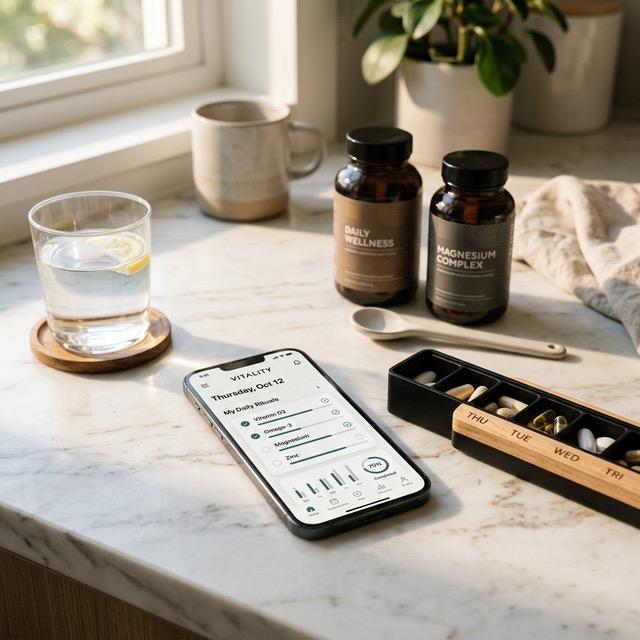
Before you commit to one app, it's worth reading our honest comparison of supplement tracker apps.
What Electrolytes Actually Do
Electrolytes are minerals that carry an electrical charge when dissolved in body fluid. The ones that matter for this conversation are sodium, potassium, magnesium, calcium, and chloride. They are not an exotic supplement category, they are ordinary minerals your body runs on every second.
Their core jobs:
- Fluid balance. Sodium and potassium control how much water sits inside versus outside your cells. This is the real link between electrolytes and "hydration."
- Nerve signaling. Every nerve impulse is an electrolyte gradient flipping across a cell membrane.
- Muscle contraction. Including the heartbeat. Calcium, potassium, and magnesium all play direct roles.
- pH regulation. Bicarbonate and chloride help keep blood acidity in a narrow safe range.
When electrolyte levels are genuinely off, the symptoms are not subtle: muscle cramps, headaches, dizziness, irregular heartbeat, confusion. But here is the part the marketing skips: your body is extremely good at defending these levels. Your kidneys adjust electrolyte excretion minute by minute. A healthy person eating normal food does not drift into electrolyte trouble just by going about a normal day.
When You Genuinely Need Extra Electrolytes
There are real scenarios where supplementing electrolytes is sensible and sometimes important. They share a common feature: an unusually large or fast loss that outpaces normal eating.
| Situation | Why electrolytes help | What to prioritize |
|---|---|---|
| Endurance exercise over ~60-90 min | Heavy, prolonged sweating loses meaningful sodium | Sodium, then potassium |
| Exercising in serious heat | Sweat rate climbs sharply | Sodium and fluid |
| Vomiting or diarrhea | Rapid GI loss of sodium, potassium, chloride | Oral rehydration solution |
| Low-carb / keto diet | Lower insulin makes kidneys dump sodium | Sodium, magnesium |
| Extended fasting | Same kidney effect, plus no food intake | Sodium, potassium, magnesium |
| Hot-weather manual labor | Hours of sweating without a sports-drink break | Sodium and fluid |
Notice what unites this list: a real, measurable loss happening faster than meals can replace it. An endurance athlete two hours into a hot session is losing sodium quickly. Someone with a stomach bug is losing electrolytes through the worst possible route. A person on day three of a water fast has both the kidney effect and zero dietary intake. These are genuine cases, and in some of them, particularly significant vomiting and diarrhea, a proper oral rehydration solution is real first-line care, not a wellness upgrade.
If you are in one of these groups, electrolyte supplementation is not hype. It is appropriate.
When It's Just Expensive Salty Water
Now the uncomfortable part for the daily-sachet crowd.
If your day looks like commuting, working, a normal gym session, and eating regular meals, you almost certainly do not have an electrolyte problem that a supplement solves. Here is why:
Your diet already delivers electrolytes in bulk. Sodium is in nearly everything, and most people in developed countries eat more than the recommended amount without trying. Potassium is in potatoes, beans, bananas, leafy greens, yogurt, and fish. Magnesium is in nuts, seeds, whole grains, and greens. A normal mixed diet covers daily electrolyte needs comfortably, and a slightly imperfect one still does.
A standard gym session does not deplete you. Forty-five minutes of weights or a moderate run in a climate-controlled gym produces a sweat loss your next meal replaces easily. The cramping and fatigue people blame on "low electrolytes" after a normal workout is far more often ordinary tiredness, under-eating, or poor sleep.
Plain water is still the default for hydration. The idea that water "needs" electrolytes added to be absorbed or to count is marketing, not physiology. For everyday fluid intake, water plus a normal diet is the system working exactly as designed.
The "adrenal fatigue" and "you're chronically dehydrated" framings are not real diagnoses. A lot of electrolyte marketing leans on vague, unfalsifiable conditions. Genuine chronic dehydration in a healthy person with access to water and food is rare.
There is also a quiet downside. Many electrolyte products are sodium-forward, often 500 mg to 1,000 mg of sodium per serving. For an endurance athlete that is the point. For a sedentary person who already eats a typical high-sodium diet and may be watching blood pressure, adding a daily sodium load is the opposite of a health upgrade. The product is not neutral just because it is sugar-free.
How to Read an Electrolyte Label
If you have decided you are in a genuine-need group, the label still matters, because electrolyte products vary wildly.
- Sodium is the headline electrolyte for sweat and low-carb losses. Endurance and keto-focused products often run 500 to 1,000 mg per serving. General "wellness" products sometimes contain almost none, which makes them close to pointless for the one job sodium does best.
- Potassium amounts are usually small, often 100 to 300 mg, because high-dose potassium supplements are regulated. That is fine: food is the main potassium source and always will be.
- Magnesium is where products get creative. The form matters here exactly as much as it does in a standalone supplement, and the cheap forms (oxide) are poorly absorbed. If a product leans on magnesium, the same logic from our magnesium glycinate vs citrate guide applies directly to what is in the sachet.
- Sugar and "proprietary blends." Some products are still sugary sports drinks in a wellness wrapper. Others hide doses inside a blend so you cannot see how much of anything you are getting. The same skepticism you would apply to any supplement label applies here.
A useful rule: a product that is mostly sodium with modest potassium and a real magnesium form is doing the actual job. A product that is mostly flavoring, a pinch of everything, and a story about "cellular hydration" is selling the story.
The Keto and Fasting Exception
This deserves its own section because it is the one mainstream, non-athletic situation where electrolytes genuinely earn their place.
When you cut carbohydrates sharply, insulin levels fall. Lower insulin tells the kidneys to excrete more sodium, and water follows the sodium out. This is why the first week of keto produces fast "weight loss" (mostly water) and also why it produces the cluster of symptoms people call "keto flu": headaches, fatigue, lightheadedness, muscle cramps, irritability.
Keto flu is, to a large degree, a sodium and fluid problem. Deliberately adding sodium (and often magnesium and potassium) is one of the most effective fixes, and here the electrolyte supplement is doing real physiological work rather than decorating a glass of water. The same logic applies to extended fasting, where the kidney effect combines with simply not eating.
If you are low-carb or fasting and feel rough, electrolytes are a reasonable and evidence-aligned response. If you eat a normal amount of carbohydrates, this entire mechanism does not apply to you.
It is worth noting one more everyday version of fluid and electrolyte loss: alcohol. Alcohol is a diuretic, and a heavy night genuinely flushes out fluid and electrolytes, which is part of why a hangover feels the way it does. Electrolytes can take a small edge off the rehydration, though the far larger lever is drinking less in the first place. If cutting back is a goal, a habit tracker like Sober Tracker is a more direct tool than another sachet.
A Sensible Protocol
Putting the evidence together:
- Default to water and food. For ordinary days, ordinary workouts, and ordinary diets, plain water plus regular meals is the complete answer. No supplement required.
- Add electrolytes for the real triggers. Endurance sessions past an hour, serious heat, hard manual labor, illness with vomiting or diarrhea, and low-carb or fasting states are the genuine use cases.
- Match the product to the job. For sweat and keto, prioritize sodium. For illness, use a proper oral rehydration solution, not a wellness powder. Do not assume a generic sachet covers a specific need.
- Mind the sodium if you are sedentary. A daily 1,000 mg sodium sachet is fuel for an athlete and an unhelpful load for someone at a desk watching their blood pressure.
- Do not treat electrolytes as a daily ritual by default. They are a tool for specific situations, not a vitamin you owe your body every morning.
- Get magnesium from the form, not the marketing. If magnesium is your actual goal, a dedicated, well-absorbed magnesium supplement is usually a better and cheaper route than a flavored electrolyte blend.
Track Whether It Actually Helps
Electrolytes are a near-perfect example of a supplement where personal tracking beats belief. The benefit, when it is real, is fast and noticeable: an endurance athlete who was cramping stops cramping, a keto dieter's headache lifts within an hour of a salty drink. The non-benefit, when there is none, is equally visible if you bother to look: nothing changes on the days you skip it.
So test it honestly. If you start electrolytes, log when you take them, the situation (workout length, heat, diet state), and how you actually feel. If you are an athlete, watch cramping and late-session fatigue. If you are low-carb, watch the keto-flu symptoms. If you are a desk worker who bought into the daily-sachet habit, log a few weeks with and a few weeks without and look at the honest result. Tracking is what separates a supplement that works for you from one that simply has good packaging, and our guide to tracking supplements consistently walks through how to run that kind of personal test. It is also worth a look if you pair electrolytes with training supplements like creatine, where consistent logging is the only way to see what each piece is actually contributing.
Electrolytes are not a scam. They are essential minerals that genuinely rescue specific situations: the long hot run, the stomach bug, the keto flu. What they are not is a universal daily requirement that plain water has somehow been failing to provide all along. Knowing which group you are in is the entire decision, and for most people most days, the honest answer is a glass of water and a normal meal.
This article is for educational purposes and does not constitute medical advice. If you have kidney disease, heart conditions, high blood pressure, or take medication that affects sodium or potassium balance, talk to a qualified healthcare provider before using electrolyte supplements.