The supplement tracker app space has gotten crowded, and the apps are not really competing for the same job. Before you pick one, get clear on what you actually need it to do, because most of them are excellent at one thing and mediocre at the rest. If your goal is the most common one, simply remembering to take your stack every day and building a streak you can trust, you want a dedicated tracker with reliable reminders, fast one-tap logging, support for morning and evening stacks, and a history you can read at a glance: that is what Supplement Tracker is built for. If you want to vet new brands by scanning labels, SuppCo and similar scanner apps have huge product databases. If you care about exact micronutrient totals from food plus supplements, Cronometer is the data-heavy gold standard. If you juggle prescription medications alongside supplements on complex schedules, a medication app like Medisafe or MyTherapy fits better. And if you only take one or two things, a built-in reminder or Apple Health may be all you need. One real lesson from the category: subscription-only services can disappear (Care/of shut down in 2024), so favor an app that keeps your data yours and exportable. Whatever you choose, the app only helps if it makes logging effortless enough that you actually do it every day.
Search the App Store for "supplement tracker" and you will get a wall of options, all promising the same thing: finally stay consistent, never miss a dose, optimize your routine. They look interchangeable from the listing page, which is exactly why so many people download three, get annoyed, and quietly go back to a half-remembered routine and a kitchen drawer full of bottles.
The truth is these apps are not really competing for the same job. One is built to scan barcodes and judge brands. Another is a nutrition database that happens to log pills. A third is a medication reminder that tolerates supplements. They overlap enough to look identical and differ enough that picking the wrong one wastes weeks. So instead of ranking them as if there were a single winner, here is an honest map of what each kind is genuinely good at, and how to match one to what you actually need.
First, Decide What You Need It To Do
Before comparing apps, get specific about the job. Most frustration comes from buying a tool built for a different problem than the one you have. A good supplement tracker, for the most common use case, should do these things well:
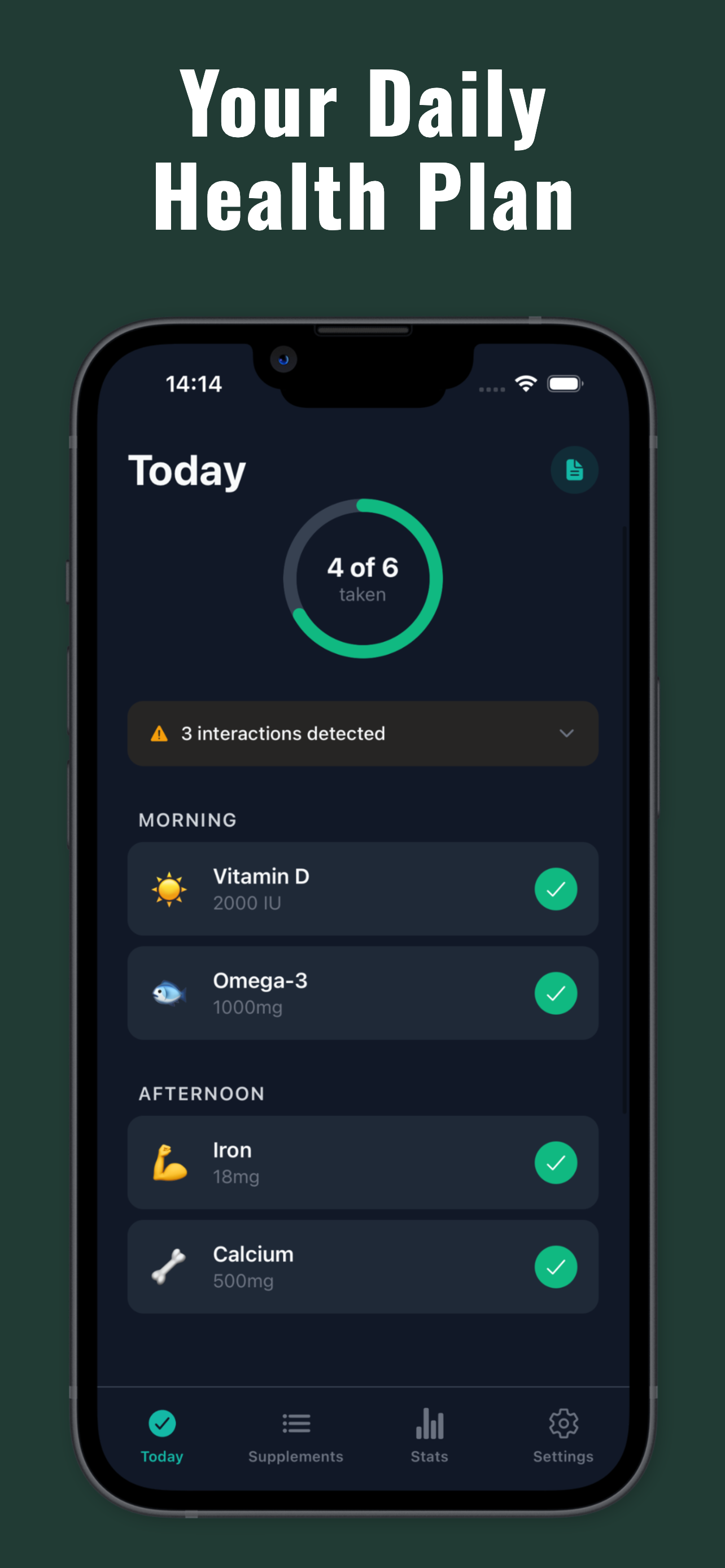
- Remind you reliably. The whole point is not forgetting. Notifications need to fire on time, handle different times of day, and be easy to snooze or mark done.
- Make logging effortless. If marking a dose taken requires three taps and a menu, you will stop doing it within a week. One-tap logging is the difference between a tool you use and an app you delete.
- Handle stacks and timing. Real routines are not one pill at one time. They are a morning stack and an evening stack, some with food, some without. The app should respect that structure rather than flattening everything into a single list.
- Show you the truth over time. A readable history and an honest streak tell you whether you are actually consistent, not whether you intend to be. That record is what turns a vague "I take magnesium" into "I took it 26 of the last 30 days."
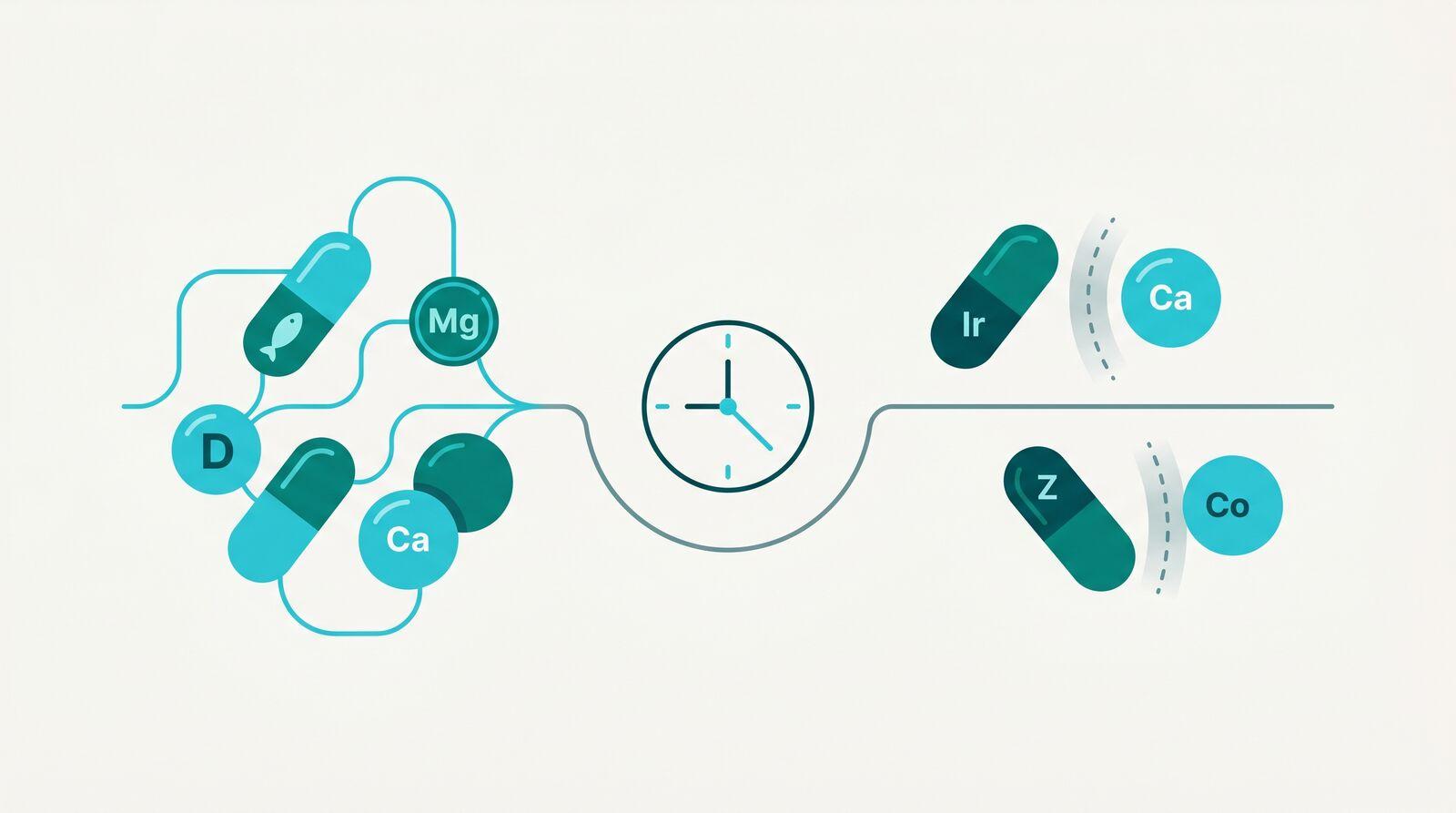
- Respect interactions and spacing. Some combinations compete for absorption or should be separated, which is the whole point of knowing which supplements you should not take together. A tracker that understands timing helps you space them.
- Keep your data yours. It should work without forcing a subscription just to exist, and let you export what you have logged. More on why that matters below.
Rank those six by what you personally care about, and the right category of app becomes obvious.
The Dedicated Supplement Trackers
These apps exist for one job: keeping you consistent with a daily supplement routine. This is the category most people searching for a "supplement tracker app" actually want, even if they do not know it yet.
Supplement Tracker is built squarely for this core job. The focus is daily adherence done with as little friction as possible: fast one-tap logging, reminders that handle separate morning and evening stacks, a clean history and streak so you can see your real consistency, and awareness of timing and interactions so you are not unknowingly stacking things that fight each other. It works across eight languages and is designed so the daily act of logging takes seconds, which, as covered below, is the single thing that determines whether any tracker actually sticks. If your goal is simply to take your stack every day and trust the record, this is the use case it is designed around.
Scanner-first apps (such as SuppCo) lead with a barcode scanner and a large product database, often hundreds of thousands of items. If you are constantly buying new products and want to look up a brand, check ingredients, or build a stack from scanned items, this is a genuine strength. The trade-off is that the daily ritual of "did I take it" can take a back seat to the catalog. Great for shoppers and researchers, slightly heavier for pure adherence.
Habit-bundle apps (such as HabitBox) fold supplements into your broader daily habits, so vitamins sit alongside water, workouts, and reading. If you want one place for every daily checkbox, that consolidation is appealing. The cost is depth: a general habit app rarely knows or cares about elemental doses, food timing, or interactions.
Nutrition Trackers That Also Log Supplements
Cronometer is the most data-rich option in this whole comparison. It is built around precise micronutrient tracking, so it can show you total intake of a given nutrient from food and supplements combined, which is genuinely useful if you are trying not to overshoot fat-soluble vitamins or want to see where your diet already covers a gap. The honest trade-off is effort: it is a detailed logging tool, and the supplement side is one feature among many rather than the main event. Best for data-lovers who want the full nutritional picture, not for someone who just wants a nudge at 8 a.m.
MyFitnessPal and similar food trackers can record supplements too, but crudely, and only really make sense if you already live in the app for calorie or macro tracking. As a supplement tracker on its own, it is an afterthought.
Medication Reminder Apps
Medisafe and MyTherapy are medication-management apps that handle supplements as a subset of pills. If your real situation is several prescription medications on strict schedules, with supplements layered on top, these are built for exactly that complexity: refill tracking, dose-time precision, and adherence reporting you can share with a clinician. For someone whose list is mostly supplements rather than medications, they can feel clinical and heavier than the job requires, but for genuine polypharmacy they are the right tool.
The Free and Manual Options
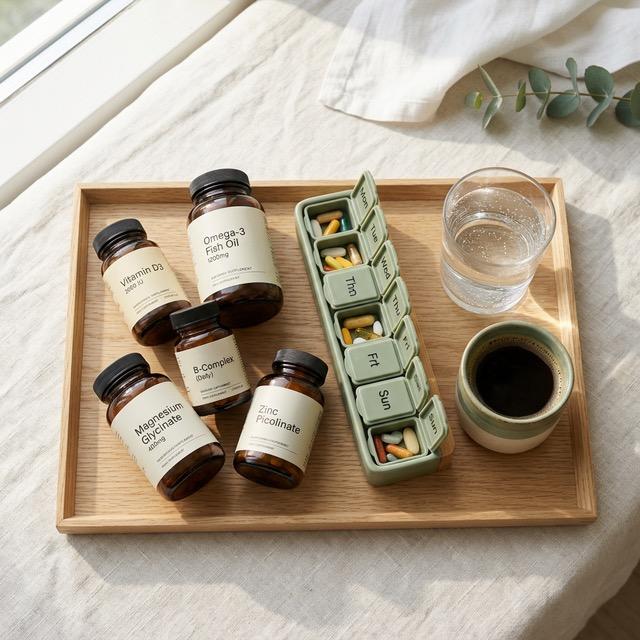
You do not strictly need an app. A phone reminder plus a weekly pill organizer is free and works fine for one or two items. Apple Health and Google Fit can log some of this manually. The limitation is the same one that makes people give up on paper: there is no real history, no honest streak, and no insight into whether you are actually consistent, only a buzzing reminder you can dismiss without taking anything. For a tiny routine, that is enough. For a real stack you are trying to evaluate, it falls apart.
The Lesson Hiding in This Category
One thing worth knowing before you commit to any of these: the supplement app space is not stable. In 2024, Care/of, one of the best-known vitamin-subscription services with a polished app, shut down when its parent company stopped funding it, canceling every subscription. People who had built their whole routine inside it lost the service overnight.
The takeaway is not "avoid apps," it is "favor apps that keep your data yours." Prefer a tracker that works without locking your entire routine behind a subscription just to function, and that lets you export your history if you ever want to leave. A tracker is supposed to reduce fragility in your routine, not add a new single point of failure.
Quick Verdict: Which One Fits You
| If your main goal is | The best fit |
|---|---|
| Stay consistent with a daily stack, low effort | A dedicated tracker like Supplement Tracker |
| Scan labels and vet new brands | A scanner-first app like SuppCo |
| See exact micronutrient totals from food + supplements | Cronometer |
| Manage prescriptions with supplements on top | Medisafe or MyTherapy |
| Bundle vitamins with all your other habits | A habit app like HabitBox |
| Track one or two items, no frills | Phone reminder or Apple Health |
There is no single "best" app, only the best match for your job. For the most common one, which is simply remembering your stack and trusting your own track record, a focused tracker beats a sprawling one every time.
The Feature That Actually Decides Whether It Works
Here is the part that matters more than any feature list: the best supplement tracker is the one you will still be using in three months. Every app in this comparison can technically send a reminder and store a checkmark. What separates the one that changes your routine from the four you delete is friction. If logging a dose is fast and almost automatic, you do it, the history fills in, and the streak becomes something you do not want to break. If it is fiddly, you skip it on a busy morning, then two more, and the data quietly becomes useless.
This is also why a tracker is worth using at all, beyond just remembering. The real payoff is being able to run an honest experiment on yourself. When you start something new, whether magnesium for sleep or a joint supplement that takes weeks to show any effect, the only way to know if it works is to change one variable, take it consistently, and log how you actually feel over time. That single-variable discipline is the entire idea behind tracking your supplements consistently, and it is impossible without a record you trust. Guessing from memory is how people waste money for months on something that was never doing anything.
So when you choose, weight ease of daily logging above the flashy extras. A scanner database and detailed analytics are nice, but they are worthless if the app is annoying enough that you stop opening it. Pick the one that makes the daily act of marking a dose feel like nothing, and you will actually get the consistency, the data, and eventually the answer you were looking for.
Bottom Line
The supplement tracker category looks crowded but sorts cleanly once you name your job. Want exact nutrition data? Cronometer. Vetting brands by scanning? A scanner app. Managing real medications? Medisafe or MyTherapy. But if you are like most people and simply want to take your stack every day, see an honest streak, and find out whether your supplements are doing anything, a focused tool built for adherence is the right call, and that is exactly what Supplement Tracker is designed to do. Whichever you pick, choose for low friction and data you own, then let a few weeks of consistent logging tell you the truth.
This article is for educational purposes and does not constitute medical advice. App features and availability change over time; confirm current details before relying on any tool. Talk to a qualified healthcare provider before starting, stopping, or changing supplements, especially if you take medication, have a health condition, or are pregnant.