Most adults eat about half the fiber they need, so the underlying problem the 'fibermaxxing' trend points at is real. But a tub of powder is not the obvious fix. Soluble fiber, especially psyllium husk, has the strongest evidence: it modestly lowers LDL cholesterol, blunts post-meal blood sugar spikes, adds satiety, and reliably improves regularity. That makes a supplement genuinely useful for specific goals, but it is not a replacement for fiber-rich food, which delivers the vitamins, polyphenols, and varied fibers that feed your gut microbiome in ways an isolated powder cannot. The trend's biggest risk is doing too much too fast: piling on fiber overnight causes gas, bloating, and cramping, and without enough water it can make constipation worse, not better. Fiber also binds some minerals and medications, so timing matters. The sensible approach is food first, a single well-chosen soluble fiber second if you have a reason, ramped up slowly with plenty of water, and tracked honestly rather than chased as a number.
Fiber spent decades as the least glamorous word in nutrition, the thing your grandmother nagged you about. Then it got a rebrand. "Fibermaxxing" is now a genuine social-media trend, with people stirring psyllium into water, topping every meal with chia seeds, and treating their daily fiber gram count like a fitness score to beat.
Underneath the hashtag is a legitimate point. Most people really are short on fiber, and fiber really does matter for digestion, cholesterol, blood sugar, and long-term health. That is more than you can say for a lot of trends. But the leap from "I should eat more fiber" to "I should buy a tub of fiber powder and max it out" skips over some important details, and the way people are doing it often causes more discomfort than benefit.
This is the honest guide to whether you actually need a fiber supplement, what the different kinds do, and how to add fiber without spending a week bloated and miserable.
The Fiber Gap Is Real
Start with the part the trend gets right. Most adults are recommended to eat roughly 25 to 38 grams of fiber per day (commonly framed as about 25 grams for women and 38 for men, or around 14 grams per 1,000 calories). The actual average in many Western countries sits closer to 15 grams, meaning a large share of people get barely half of what they should.
That shortfall is not trivial. Higher fiber intake is one of the most consistent findings in nutrition research, linked to better digestive regularity, lower LDL cholesterol, steadier blood sugar, and reduced risk of heart disease and some cancers. When something is both widely under-consumed and genuinely useful, paying more attention to it is reasonable.
So the premise of fibermaxxing is not wrong. The problems start with the method.
If you're still deciding which app to trust with your routine, our guide to the best supplement tracker apps compares the leading options honestly.
What "Fibermaxxing" Gets Right and Wrong
The trend's instinct, eat more fiber, is sound. Its execution often is not.
What it gets right:
- Drawing attention to a real, widespread shortfall.
- Pushing fiber-rich whole foods like beans, oats, berries, and chia in many versions of the trend.
- Framing fiber as something to be intentional about rather than an afterthought.
Where it goes wrong:
- Treating fiber as a number to maximize. More is not endlessly better. Beyond your needs, extra fiber mostly produces gas and discomfort, and in some cases interferes with mineral absorption.
- Ramping up far too fast. The single most common mistake. Going from 12 grams to 40 grams overnight is a near-guaranteed recipe for bloating and cramps.
- Reaching for a powder first. Many people start by buying a supplement when the cheaper, more nutritious move is adding a few fiber-dense foods.
- Ignoring water. Fiber needs fluid to do its job. Loading up on fiber while under-hydrated can make constipation worse, the exact opposite of the goal.
In other words, the goal is fine and the enthusiasm tends to overshoot. A fiber supplement can be part of a sensible plan, but only once you understand what it actually does.
Soluble vs Insoluble: The Distinction That Matters
"Fiber" is not one substance. The split that matters most for a supplement decision is soluble versus insoluble.
- Soluble fiber dissolves in water and forms a gel. This is the one most studied for cholesterol and blood sugar. It slows digestion, feeds gut bacteria, softens stool, and adds a feeling of fullness. Psyllium husk is the best-known soluble fiber supplement; oats, beans, apples, and citrus are food sources.
- Insoluble fiber does not dissolve. It adds bulk and speeds transit through the gut, which helps regularity in a different way. Wheat bran, whole grains, nuts, and vegetable skins are typical sources.
Most whole foods contain a mix of both, which is part of why food beats isolated powders. When people talk about the proven benefits of a fiber supplement, they are usually talking about soluble fiber, and most often psyllium specifically, because that is where the human evidence is strongest.
There is also a separate category worth naming: prebiotic fibers like inulin and FOS, which are added to many "gut health" supplements and gummies specifically to feed beneficial bacteria. They can be useful, but they are also the most likely to cause gas, and they overlap with the territory we cover in the probiotics guide. They are not interchangeable with psyllium.
What a Fiber Supplement Actually Does
Here is where a supplement earns its place, ranked roughly by how solid the evidence is.
Regularity (the strongest, most predictable use). Psyllium is a reliable, well-tolerated treatment for both constipation and, somewhat counterintuitively, loose stool, because the gel it forms normalizes stool consistency in either direction. This is the use with the least controversy. If your digestion is the problem, a soluble fiber is a sensible, evidence-backed first step.
Cholesterol. Soluble fiber, psyllium in particular, produces a modest but real reduction in LDL cholesterol by binding bile acids in the gut. The effect is genuine and recognized by health authorities, though it is moderate, not statin-level. As a low-risk addition for someone working on their cholesterol, it has good support.
Blood sugar. Taking soluble fiber with a meal slows the absorption of carbohydrates and blunts post-meal blood sugar spikes. This is helpful for people managing blood sugar, and it is part of why fiber contributes to satiety.
Appetite and weight. Fiber adds fullness and slows stomach emptying, which can modestly reduce how much you eat. This overlaps directly with why fiber matters for people on appetite-suppressing medications, where slowed digestion plus much less food makes constipation a common complaint, covered in the guide to supplements on GLP-1 medications. Fiber is a real tool for comfort there, but as a standalone weight-loss supplement its effect is small.
What a fiber supplement does not do is replace a fiber-rich diet. A psyllium scoop gives you one type of fiber and nothing else. A bowl of beans or berries gives you mixed fibers plus vitamins, minerals, and polyphenols that feed a more diverse gut microbiome. The supplement fills a gap; it does not substitute for the food.
Food First, Supplement Second
For most people, the better first move is unglamorous: eat a few more fiber-dense foods before buying anything. A cup of beans or lentils, a serving of oats, a couple of pieces of fruit with the skin on, a handful of nuts, or a tablespoon of chia or ground flax can each add several grams, and the cumulative effect closes the gap fast without a single supplement.
A fiber supplement makes the most sense when:
- You have tried adding fiber-rich food and still fall short, or genuinely cannot tolerate enough of it.
- You have a specific target, like lowering LDL cholesterol or smoothing blood sugar, where soluble fiber has direct evidence.
- You are managing constipation, including the kind triggered by medications or low food volume.
- Convenience is the deciding factor and a daily scoop is what you will actually stick to.
If you do buy one, psyllium husk is the default choice: cheap, well studied, and effective for the widest range of goals. Inulin and other prebiotic blends are reasonable if microbiome support is your aim and you tolerate them, but expect more gas. Be skeptical of expensive "gut health" powders with proprietary fiber blends and a long ingredient list, the same label-reading caution that applies across the supplement aisle.
How to Take Fiber Without Wrecking Your Gut
This is where the trend causes the most misery, and it is entirely avoidable.
- Start low and ramp slowly. Begin with a small dose, around 3 to 5 grams a day, and increase over a couple of weeks. Your gut bacteria adapt, but they need time. The bloating people blame on fiber is almost always the result of too much, too fast.
- Drink enough water. Soluble fiber works by absorbing water and forming a gel. Without adequate fluid, it can harden and worsen constipation. Every dose should be taken with a full glass of water.
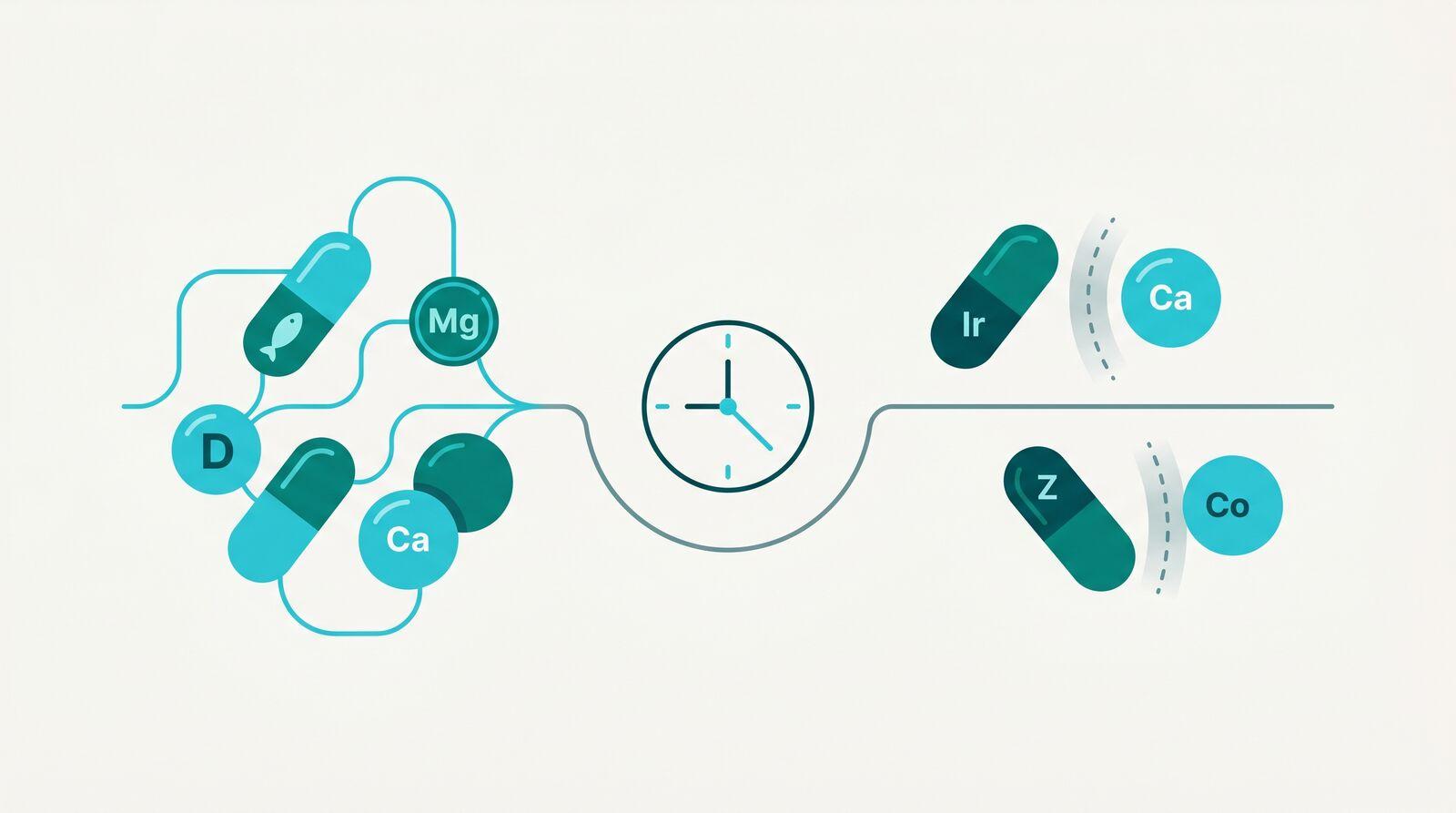
- Mind the timing with medications and minerals. Fiber can bind certain medications and minerals and reduce their absorption, so it is best taken a couple of hours apart from medications and from mineral supplements like iron, zinc, and calcium. This is the same separation logic laid out in the guide to supplements you should not take together.
- Do not chase a maximum. Hitting the recommended range is the goal, not exceeding it. Piling on more fiber past your needs buys discomfort, not extra health.
Done this way, the gas-and-bloating phase that makes people quit is mostly preventable.
Track Whether It Actually Helps You
Fiber is an unusually good candidate for honest tracking, because its main benefits are concrete and observable rather than vague. Regularity, post-meal comfort, bloating, and appetite are things you can actually notice, and cholesterol and blood sugar are things you can measure with a test.
The mistake is changing five things at once. If you start a fiber supplement the same week you overhaul your diet and add a probiotic, you will have no idea what did what, and the early bloating from ramping too fast may get blamed on the wrong thing. Instead, add one fiber source at a time, log the dose and how your digestion responds over a few weeks, and watch the trend rather than a single rough day. If regularity and comfort genuinely improve and hold, keep it. If a properly ramped soluble fiber did nothing for the goal you cared about after a fair trial, that is useful information too. Picking one variable and giving it time is the whole philosophy behind tracking your supplements consistently, and fiber rewards it.
The honest summary: fibermaxxing points at a real problem, since most people genuinely under-eat fiber, but a tub of powder is not the headline fix. Eat more fiber-rich food first, add a single well-chosen soluble fiber like psyllium if you have a reason, ramp it up slowly with plenty of water, mind the timing with your medications, and let what you actually notice, not a gram count to maximize, decide whether it stays in your routine.
This article is for educational purposes and does not constitute medical advice. Fiber supplements can affect the absorption of medications and minerals, may worsen constipation if taken without enough fluid, and can cause significant discomfort if increased too quickly. Talk to a qualified healthcare provider before starting, stopping, or changing supplements, especially if you take medication, have a digestive condition, or are managing cholesterol or blood sugar.