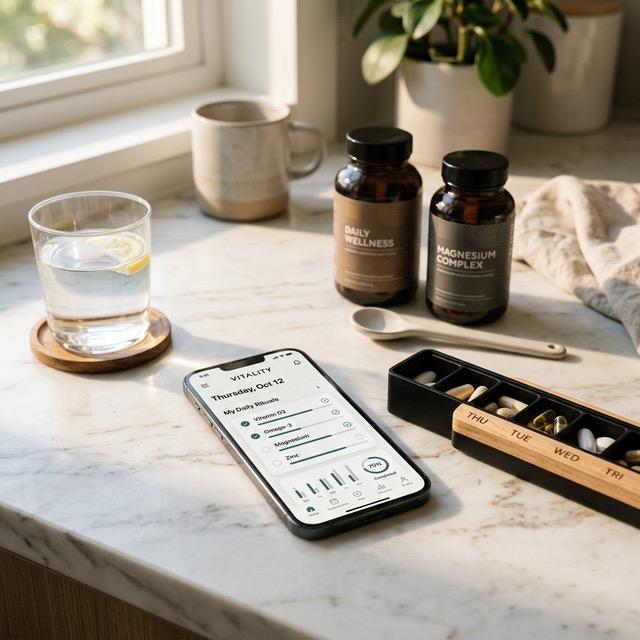
Gummy vitamins are generally less effective than pills for high-dose nutrients because they contain less active ingredient per serving, more sugar, and degrade faster on the shelf. Manufacturers compensate by overdosing the batch, which makes nutrient content inconsistent. Gummies still help with compliance: a half-dose you take daily beats a full dose you skip. For specific deficiencies (iron, vitamin D, magnesium), traditional capsules deliver more reliable potency.
The supplement aisle looks a lot more colorful than it used to. Gummy vitamins, once strictly for children, have exploded in popularity among adults. They taste like candy and make taking your daily nutrients feel like a treat.
But a common question arises: Are gummy vitamins actually as effective as traditional pills? Let’s dive into the science of supplement forms to find out.
The Appeal of Gummy Vitamins
Gummy vitamins are undeniably popular, and for good reason:
- Taste and Texture: They are delicious and easy to chew.
- No Pill Fatigue: For people who struggle to swallow large capsules or take multiple supplements daily, gummies provide a welcome break.
- Better Compliance: Because they taste good, people are far more likely to remember to take them consistently.
Before you commit to one app, it's worth reading our honest comparison of supplement tracker apps.
The Drawbacks: What You Need to Know
While they win points for convenience and taste, gummy vitamins have several distinct disadvantages when compared to traditional pills.
1. Sugar and Additives
To make gummies taste like candy, manufacturers have to add sugar, sugar alcohols, or artificial sweeteners. If you take multiple gummy supplements daily, this added sugar can quickly add up. They also contain food colorings and gelatins (or pectin) to achieve that chewy texture.
2. Lower Nutrient Density
Gummies are physically mostly made of sugar, gelatin, and water. This means there is significantly less room for actual vitamins and minerals. Traditional pills and capsules can pack a much higher dose of active ingredients in a fraction of the space. Important bulky minerals—like calcium, magnesium, and iron—are rarely included in gummies at meaningful doses.
3. Shelf Stability
Vitamins degrade faster in a gummy matrix than in a dry pill form. To ensure the gummies still meet the nutrient levels on the label by their expiration date, manufacturers often spray extra vitamins into the batch. This can lead to inconsistent nutrient profiles from batch to batch.
Traditional Pills: The Gold Standard
Traditional forms—capsules, tablets, and softgels—remain the gold standard for clinical supplementation.
- Potency: They can hold higher concentrations of active ingredients.
- Purity: They generally contain fewer "inactive" ingredients like sugars and flavorings.
- Stability: Dry pills and oil-based softgels offer better shelf stability and consistent dosing.
- Variety: Certain nutrients, like high-dose omega-3s or large minerals, are impossible to formulate effectively as a gummy.
Which One Should You Choose?
The best supplement is the one you actually take.
If taking a pill feels like a chore and you constantly forget or skip your vitamins, a gummy might be exactly what you need to build consistency. Half a dose of vitamins from a gummy you take every day is better than a full dose from a pill that sits forgotten in your cabinet.
However, if you are trying to address a specific nutrient deficiency (like low iron or vitamin D), want maximum potency, or want to avoid added sugars, traditional pills or capsules are the superior choice.
Track Your Consistency
Whether you prefer the delicious convenience of a gummy or the potent purity of a pill, tracking your intake is crucial for health outcomes. A supplement tracker can help you build the habit, ensuring you get the benefits of whichever form you choose.