Ashwagandha KSM-66 (300-600 mg daily) reduced serum cortisol by 23% in a 2019 RCT and is the most-studied adaptogen for stress, with 4-8 weeks to full effect. Magnesium glycinate (300-400 mg evenings) regulates GABA and breaks the stress-magnesium-depletion cycle. L-theanine (200 mg) acts within 30-60 minutes for acute anxiety (presentations, flights) by increasing alpha brain waves. A methylated B-complex supports neurotransmitter synthesis. Omega-3 (2,000-3,000 mg with at least 1,000 mg EPA) reduces anxiety symptoms in clinical trials. Avoid kava with alcohol, high-dose oral GABA (poor BBB crossing), and St. John's Wort due to drug interactions.
This content is for informational purposes only and is not a substitute for professional medical advice, diagnosis, or treatment. Always consult your physician or qualified healthcare provider before starting any supplement regimen.
Chronic stress isn't just a mental burden — it has measurable physiological consequences. Elevated cortisol disrupts sleep, impairs immune function, promotes fat storage, and degrades cognitive performance over time. While therapy, exercise, and lifestyle changes are the foundation of stress management, specific supplements can help regulate the biological stress response and give your nervous system the support it needs.
Here are the supplements with the strongest evidence for stress and anxiety, ranked by research quality and effect size.
Top Supplements for Stress & Anxiety
1. Ashwagandha (KSM-66)
Ashwagandha is the most well-studied adaptogen for stress and anxiety, with a growing body of rigorous clinical evidence. It's not a sedative — it works by recalibrating the stress response over time.
How it works: Ashwagandha modulates the hypothalamic-pituitary-adrenal (HPA) axis, which governs cortisol release. A 2019 RCT found that 600 mg of KSM-66 daily reduced serum cortisol by 23% compared to placebo. A systematic review of 12 trials concluded that ashwagandha significantly reduces both self-reported stress and physiological stress markers (cortisol, C-reactive protein).
Dose: 300–600 mg of standardized KSM-66 extract daily. The full-spectrum root extract (not leaf) has the strongest evidence.
When to take: Morning or evening — some people find it slightly calming, others find it neutral. Consistency matters more than timing. Allow 4–8 weeks for full effects to develop.
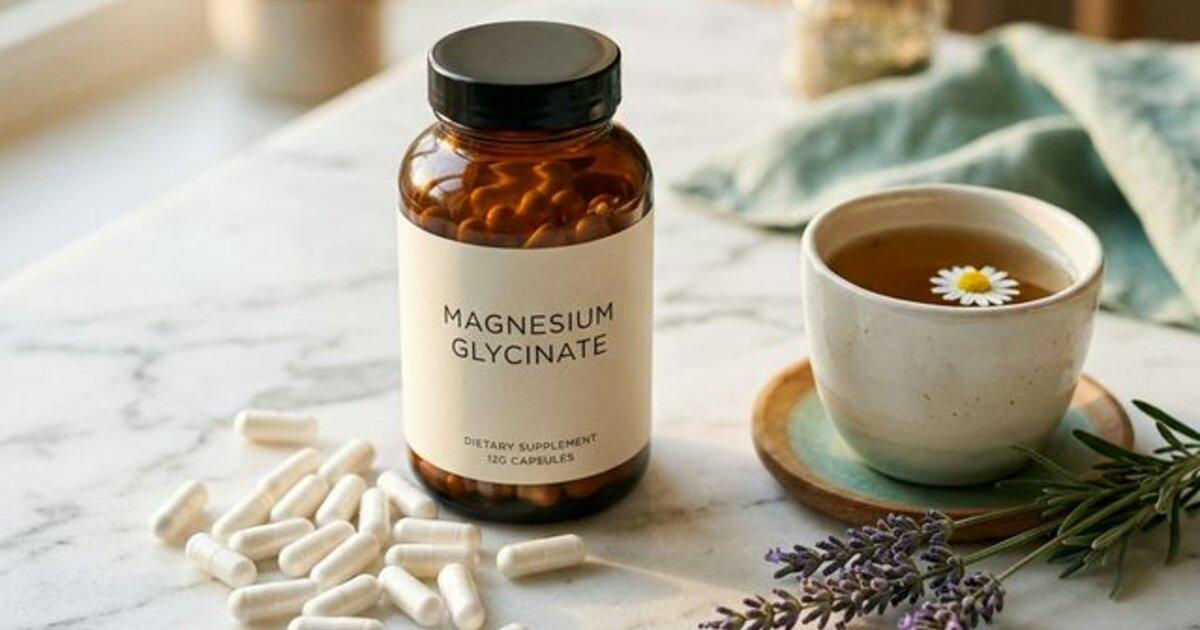
2. Magnesium Glycinate
Magnesium deficiency and stress create a vicious cycle: stress depletes magnesium through increased urinary excretion, and low magnesium amplifies the stress response. Breaking this cycle with supplementation can produce noticeable calming effects.
How it works: Magnesium regulates GABA receptors (the brain's primary calming neurotransmitter), modulates glutamate (the primary excitatory neurotransmitter), and helps regulate the HPA axis. The glycinate form is preferred because glycine itself has independent calming properties and enhances sleep quality. Learn more in our magnesium glycinate guide.
Dose: 300–400 mg of elemental magnesium daily, as magnesium glycinate. If you experience loose stools, you're taking more than your body can absorb — reduce the dose.
When to take: Evening, 30–60 minutes before bed. This supports both stress reduction and sleep quality. For daytime anxiety, a split dose (morning and evening) works well.
3. L-Theanine
L-theanine is unique among anxiety supplements because it works quickly (30–60 minutes) without causing sedation or cognitive impairment. You feel calmer and more focused, not drowsy.
How it works: L-theanine crosses the blood-brain barrier and increases alpha brain wave activity — the pattern associated with relaxed, meditative states. It also modulates GABA, serotonin, and dopamine while reducing the excitatory neurotransmitter glutamate. EEG studies confirm measurable increases in alpha waves within 40 minutes of ingestion.
Dose: 200–400 mg. For acute anxiety (presentations, flights, stressful events), 200 mg taken 30 minutes beforehand is remarkably effective. For general anxiety, 200 mg twice daily.
When to take: As needed for acute stress, or morning and evening for ongoing support. Pairs excellently with caffeine if you find coffee makes you anxious — it smooths out the stimulating effects while preserving alertness.
4. B-Complex Vitamins
The B vitamins play critical roles in neurotransmitter synthesis and nervous system function. Chronic stress increases your body's demand for B vitamins, and deficiency in B6, B9 (folate), or B12 is directly linked to increased anxiety and mood disturbance.
How it works: B6 is a cofactor in the synthesis of GABA, serotonin, and dopamine. B9 and B12 are essential for methylation — the biochemical process that produces and regulates neurotransmitters. A 2019 systematic review found that B-vitamin supplementation reduced self-reported stress by 20–25% in otherwise healthy adults.
Dose: A quality B-complex providing 100% daily value of each B vitamin. Prioritize methylated forms — methylfolate (B9) and methylcobalamin (B12) — which are active and better utilized than synthetic folic acid and cyanocobalamin, especially for the ~30% of people with MTHFR gene variants.
When to take: Morning, with food. B vitamins can be mildly energizing, so avoid evening dosing.
5. Omega-3 Fatty Acids (EPA)
The connection between omega-3s and mental health is one of the most active areas of nutritional psychiatry research. EPA in particular has demonstrated anxiolytic effects in multiple clinical trials.
How it works: EPA reduces neuroinflammation, modulates cortisol signaling, and supports the fluidity of neuronal membranes that govern neurotransmitter receptor function. A 2018 meta-analysis of 19 RCTs found that omega-3 supplementation (particularly formulations with at least 60% EPA) significantly reduced anxiety symptoms, with effects comparable to some first-line pharmaceutical interventions. See our omega-3 dosage guide for detailed recommendations.
Dose: 2,000–3,000 mg of combined EPA/DHA daily, with EPA-dominant formulations (at least 1,000 mg EPA) for anxiety-specific benefits.
When to take: With meals containing fat. Split into two daily doses for consistent blood levels.
How to Build Your Stack
Stress and anxiety have multiple drivers, so tailor your approach:
For general stress resilience:
- Ashwagandha (300–600 mg) — the cornerstone adaptogen
- Magnesium glycinate (300 mg in the evening) — calming mineral support
For acute anxiety (social situations, performance anxiety):
- L-theanine (200 mg) 30 minutes before — fast-acting, reliable
For comprehensive support:
- Ashwagandha (morning)
- Magnesium glycinate (evening)
- Omega-3 (with meals, daily)
- B-complex (morning)
- L-theanine (as needed)
Start with one or two supplements and add gradually. This lets you identify what makes the biggest difference for your particular stress pattern.
What to Avoid
Kava with alcohol or liver-affecting medications: Kava has genuine anxiolytic effects, but it carries a small risk of hepatotoxicity. Never combine it with alcohol or medications that stress the liver.
High-dose GABA supplements: Oral GABA has very limited ability to cross the blood-brain barrier. Most GABA supplements produce minimal central nervous system effects, despite marketing claims. L-theanine, which increases GABA indirectly through a more effective pathway, is a better choice.
St. John's Wort without checking interactions: This herb affects many of the same liver enzymes as pharmaceutical medications, reducing the effectiveness of birth control pills, blood thinners, and many other drugs. It's also not appropriate for anxiety — its evidence is for mild depression specifically.
Self-medicating severe anxiety: Supplements are appropriate for everyday stress and mild-to-moderate anxiety. If anxiety is significantly impacting your daily functioning, interfering with relationships, or causing panic attacks, seek professional support. Supplements can complement professional treatment but shouldn't replace it.
Start Tracking Your Stack
Stress is subjective, which makes self-tracking invaluable. Log your supplements alongside a daily stress or anxiety rating (even a simple 1–10 scale). Over weeks, patterns emerge — you'll see which supplements correlate with better days, and you'll catch any lapses in consistency before they become problems. The act of tracking itself can also bring a sense of control, which is therapeutic for stress.