Creatine monohydrate at 3–5 g per day is the most-evidenced sports supplement in existence, increasing muscle phosphocreatine stores by 20–40% for a 5–10% strength gain. Loading (20 g/day for 5–7 days) saturates muscles faster but isn't required. Timing doesn't matter much; consistency does. Newer forms (HCl, ethyl ester) aren't superior to plain monohydrate. Causes 1–3 lbs of intracellular water retention (not bloating). No kidney damage in healthy people despite the myth; the creatinine bump is metabolic, not pathological.
This content is for informational purposes only and is not a substitute for professional medical advice, diagnosis, or treatment. Always consult your physician or qualified healthcare provider before starting any supplement regimen.
Quick Reference
- Typical Dosage
- 3–5 g daily
- Best Time to Take
- Any time of day, with or without food
- Available Forms
- Powder, Capsules, Tablets
- Also Known As
- Creatine Monohydrate
Creatine is the most thoroughly studied and evidence-backed sports supplement in history. Period. With over 500 peer-reviewed studies to its name, creatine monohydrate has demonstrated consistent benefits for strength, power output, muscle recovery, and lean body mass — and the research keeps expanding into new areas like cognitive function, bone health, and aging.
Your body naturally produces about 1–2 grams of creatine per day (primarily in the liver and kidneys) and stores it in skeletal muscle as phosphocreatine. This phosphocreatine serves as a rapid-access energy reserve, regenerating ATP during short bursts of intense activity — think sprinting, heavy lifting, or jumping. You also get creatine from dietary sources like red meat and fish, but typically not enough to fully saturate your muscle stores.
Here is the key insight: supplementing with creatine increases the phosphocreatine stores in your muscles by 20–40%, giving you a measurable performance edge. And unlike many hyped supplements, creatine actually delivers.
What are the key benefits?
-
Increased strength and power. Creatine supplementation consistently improves maximal strength, explosive power, and work capacity during high-intensity exercise. Meta-analyses show an average 5–10% improvement in strength training performance with creatine use.
-
Muscle growth. By allowing you to train harder and recover better, creatine indirectly supports muscle hypertrophy. It also draws water into muscle cells (cell volumization), which may directly stimulate protein synthesis and reduce muscle protein breakdown.
-
Faster recovery. Creatine has been shown to reduce muscle damage markers and inflammation following intense exercise, allowing for faster recovery between sessions.
-
Cognitive function. Your brain is a significant consumer of ATP, and creatine supplementation has been shown to improve cognitive performance under stress, sleep deprivation, and demanding mental tasks. This benefit is particularly notable in vegetarians and vegans, who tend to have lower baseline creatine stores.
-
Bone health and aging. Emerging research suggests that creatine supplementation combined with resistance training may improve bone mineral density in older adults. Its potential role in combating age-related muscle loss (sarcopenia) is an active area of study.
What is the recommended dose?
The dosing for creatine is straightforward:
- Maintenance dose: 3–5 g per day (this is all most people need)
- Loading protocol (optional): 20 g per day (split into 4 doses of 5 g) for 5–7 days, followed by 3–5 g daily maintenance
Do you need to load? No. Loading simply saturates your muscles faster (within a week instead of 3–4 weeks). If you are not in a rush, just start with 3–5 g daily and your creatine stores will reach optimal levels within a month.
Body weight considerations: Larger individuals (over 200 lbs / 90 kg) may benefit from the higher end of the range (5 g/day), while lighter individuals can typically maintain on 3 g/day.
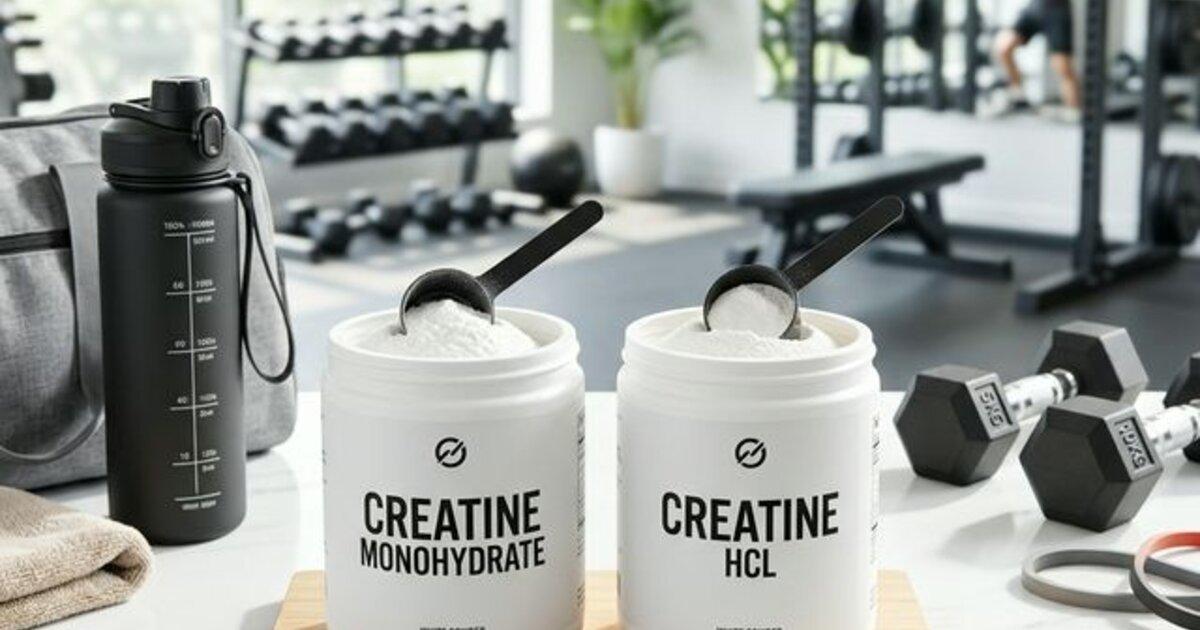
Creatine monohydrate is the gold standard. Despite marketing claims for newer forms (creatine HCl, creatine ethyl ester, buffered creatine), none have been shown to be superior to plain monohydrate in head-to-head studies. Monohydrate is also the cheapest option — there is truly no reason to pay more for "advanced" forms.
When is the best time to take it?
The honest answer is: it does not matter much. Creatine works by maintaining elevated stores in your muscles over time, not by providing an acute, time-sensitive effect. Consistency of daily intake matters far more than timing.
That said, some research suggests a slight advantage to taking creatine post-workout (when muscle cells are primed for nutrient uptake), and taking it with a meal containing carbohydrates and protein may modestly enhance creatine uptake via insulin-mediated transport.
Practical guidelines:
- Take 3–5 g daily at whatever time you will remember consistently.
- Post-workout with your protein shake is a popular and potentially slightly beneficial approach.
- On rest days, take it with any meal.
What forms are available?
- Powder — The most popular and cost-effective format. Creatine monohydrate powder is nearly tasteless and dissolves reasonably well in water, juice, or a shake. Micronized versions dissolve better and mix more smoothly.
- Capsules — Convenient for travel or for people who do not want to mix powder. The downside is that 5 g of creatine requires several large capsules.
- Tablets — Similar to capsules in convenience. May contain binders and fillers.
What to look for: Choose a product labeled "Creapure" — a German-manufactured creatine monohydrate known for its high purity. Third-party testing (Informed Sport, NSF Certified for Sport) is also a good quality indicator.
Avoid products with unnecessary added ingredients, proprietary blends, or inflated price tags. Pure creatine monohydrate powder is one of the best-value supplements you can buy.
What are the side effects and precautions?
Creatine's safety profile is exceptional. It has been studied in populations ranging from adolescents to older adults, and no serious adverse effects have been documented at recommended doses.
Common "side effects" (often misunderstood):
- Water retention — Creatine causes a modest increase in intracellular water content (1–3 lbs during the first few weeks). This is not bloating — it is water inside your muscle cells, which actually contributes to muscle fullness and may support muscle protein synthesis. This water weight is cosmetic and harmless.
- GI discomfort — Primarily occurs during loading (taking 20 g/day) or when taking large single doses without food. Splitting doses and taking with meals eliminates this for most people.
Myths that have been debunked:
- "Creatine causes kidney damage" — Multiple long-term studies, including in people taking creatine for years, have found no adverse effect on kidney function in healthy individuals. Creatine does raise creatinine levels (a kidney function marker), but this is a known artifact of creatine metabolism, not a sign of kidney damage.
- "Creatine causes hair loss" — This claim is based on a single 2009 study that found increased DHT levels. No subsequent study has replicated this finding, and no direct evidence links creatine to hair loss.
- "Creatine causes dehydration and cramps" — Research does not support this. If anything, creatine supplementation may improve hydration status.
Who should consult a doctor first:
- People with pre-existing kidney disease
- People taking medications that affect kidney function (e.g., NSAIDs, certain antibiotics)
The Bottom Line
Creatine monohydrate is the single most effective and well-researched supplement for physical performance, and its emerging cognitive benefits make it relevant for everyone — not just athletes. At 3–5 g per day, it is simple, safe, affordable, and effective.
The only thing that matters with creatine is that you take it every day. Missing doses lets your muscle stores deplete, which erases the benefits. Supplement Tracker makes it easy to build creatine into your daily routine with reminders and logging, so you can stay consistent without having to think about it. One scoop a day, every day — that is the whole strategy.