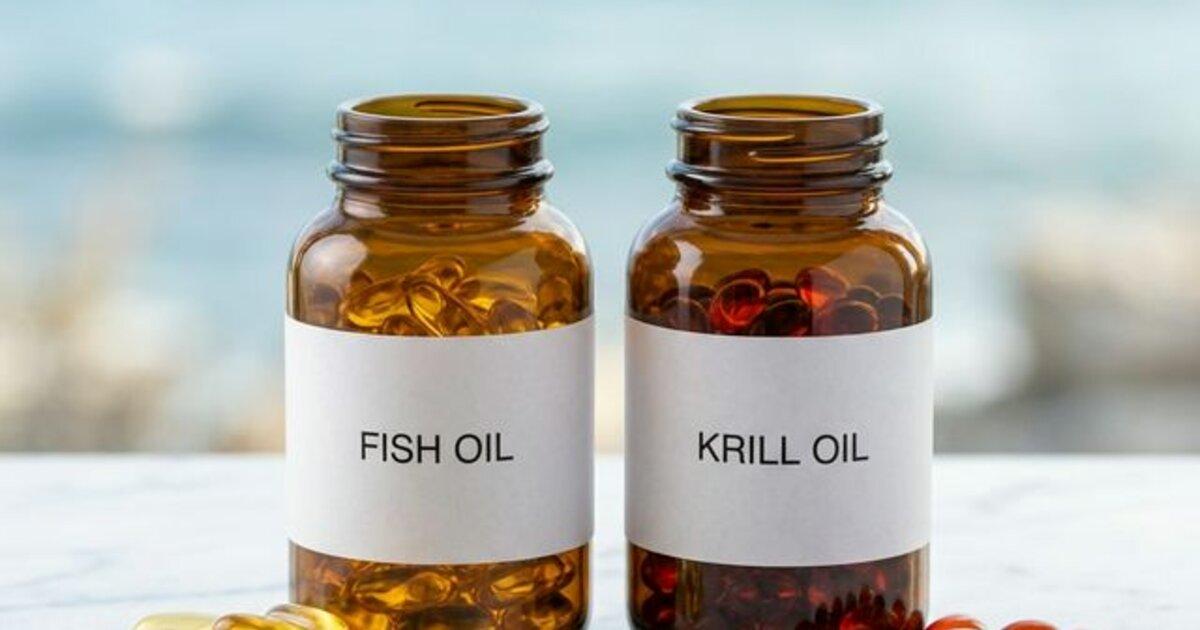
Omega-3 fish oil at 1,000–2,000 mg of combined EPA and DHA per day supports heart, brain, and joint health. Read the supplement facts panel: '1,000 mg fish oil' often contains only 300 mg EPA+DHA. Take with a fat-containing meal for absorption. Triglyceride (TG) or re-esterified triglyceride (rTG) form absorbs better than ethyl ester (EE). For mood, look for EPA-dominant formulas. Has mild blood-thinning effects: consult a doctor above 2,000 mg if you're on warfarin, aspirin, or scheduled for surgery. Algae-based DHA works for fish-allergic people.
This content is for informational purposes only and is not a substitute for professional medical advice, diagnosis, or treatment. Always consult your physician or qualified healthcare provider before starting any supplement regimen.
Quick Reference
- Typical Dosage
- 1,000–3,000 mg combined EPA/DHA daily
- Best Time to Take
- With a meal containing fat
- Available Forms
- Softgels, Liquid, Capsules, Gummies
- Also Known As
- Fish Oil, EPA/DHA, Omega-3 Fatty Acids
Omega-3 fatty acids are among the most thoroughly researched supplements in existence, and for good reason. These essential fats — meaning your body cannot produce them and must obtain them from food or supplements — play foundational roles in brain function, heart health, inflammation management, and cellular health throughout the body.
The two omega-3s that matter most are EPA (eicosapentaenoic acid) and DHA (docosahexaenoic acid), both found primarily in fatty fish like salmon, mackerel, sardines, and anchovies. While there is also a plant-based omega-3 called ALA (found in flaxseed and walnuts), the body converts ALA to EPA and DHA very inefficiently — typically less than 5–10%.
Unless you eat fatty fish two to three times per week, you are almost certainly not getting enough EPA and DHA. This is where supplementation becomes valuable.
What are the key benefits?
-
Heart health. Omega-3s are best known for their cardiovascular benefits. They help lower triglycerides, reduce blood pressure, decrease the risk of arrhythmias, and slow the buildup of arterial plaque. The American Heart Association recommends omega-3 supplementation for people with documented heart disease.
-
Brain function and mental health. DHA makes up roughly 40% of the polyunsaturated fatty acids in the brain. Adequate DHA is essential for cognitive function, memory, and learning. Research also suggests that higher omega-3 intake is associated with reduced risk of depression, and EPA in particular has shown benefits in clinical trials for mood disorders.
-
Inflammation management. EPA and DHA are precursors to specialized pro-resolving mediators (SPMs), which actively help resolve inflammation. This makes omega-3s beneficial for conditions involving chronic low-grade inflammation, including joint pain, metabolic syndrome, and autoimmune conditions.
-
Eye health. DHA is a major structural component of the retina. Adequate omega-3 intake is associated with reduced risk of age-related macular degeneration and dry eye syndrome.
-
Joint support. Multiple studies have shown that omega-3 supplementation can reduce joint stiffness and tenderness, particularly in individuals with rheumatoid arthritis. Even for healthy people, omega-3s support joint comfort during exercise and aging.
What is the recommended dose?
For general health, aim for 1,000–2,000 mg of combined EPA and DHA per day. This is the total EPA+DHA content, not the total fish oil — always check the supplement facts panel.
For specific goals, dosage may be higher:
- Heart health: 2,000–3,000 mg combined EPA/DHA daily (higher doses should be discussed with a doctor)
- Mood support: 1,000–2,000 mg EPA specifically (look for EPA-dominant formulas)
- Joint support: 2,000–3,000 mg combined EPA/DHA daily
- General maintenance: 1,000 mg combined EPA/DHA daily
A common mistake is looking only at the "fish oil" amount on the front of the bottle. A "1,000 mg fish oil" softgel may contain only 300 mg of actual EPA+DHA. Flip the bottle and read the actual EPA and DHA milligrams per serving.
When is the best time to take it?
Take omega-3s with any meal that contains fat. This significantly improves absorption of these fat-soluble compounds. There is no strong evidence favoring morning versus evening dosing — the most important factor is pairing with food.
Some people prefer to take fish oil with their largest meal to minimize the chance of fishy aftertaste or reflux. If you experience fish burps, try taking your omega-3s at the beginning of the meal (rather than after), storing them in the freezer, or switching to an enteric-coated product.
What forms are available?
- Softgels — The most common format. Available in regular fish oil, concentrated fish oil, and triglyceride-form options. Look for products that specify "concentrated" or list high EPA+DHA per softgel.
- Liquid — Bottled fish oil (often flavored with lemon or citrus). Allows easy dosing and is often preferred by people who need higher doses without swallowing multiple large softgels.
- Capsules — Similar to softgels but sometimes with a harder shell. Enteric-coated versions reduce fishy aftertaste.
- Gummies — A palatable option, especially for children, but typically contain much less EPA/DHA per serving.
Triglyceride (TG) form vs. Ethyl Ester (EE) form: Triglyceride-form fish oil is generally better absorbed than ethyl ester form. Premium brands often specify "TG form" or "rTG (re-esterified triglyceride)" on the label.
For a comparison of fish oil versus another popular omega-3 source, see our guide on Fish Oil vs. Krill Oil.
What are the side effects and precautions?
Omega-3 supplements are generally well tolerated. The most common complaints are minor:
- Fishy aftertaste or "fish burps"
- Mild digestive discomfort (nausea, bloating, loose stools)
- Fishy body odor at very high doses
Important precautions:
- Blood thinning. Omega-3s have a mild anticoagulant (blood-thinning) effect at higher doses. If you take blood-thinning medications (warfarin, aspirin, clopidogrel), consult your doctor before taking more than 2,000 mg EPA/DHA daily.
- Surgery. Some surgeons recommend stopping fish oil supplements 1–2 weeks before scheduled surgery due to the blood-thinning effect.
- Quality matters. Fish oil can oxidize (go rancid), which may negate benefits and introduce harmful compounds. Choose products from reputable brands that test for purity (heavy metals, PCBs) and freshness. Look for IFOS (International Fish Oil Standards) or similar third-party certifications.
- Allergies. People with fish or shellfish allergies should consult their doctor. Algae-based omega-3 supplements (providing DHA and some EPA) are a good alternative.
The Bottom Line
Omega-3 supplementation is one of the most well-supported interventions in nutritional science. Whether your goal is heart health, cognitive function, mood support, or managing inflammation, a quality fish oil providing 1,000–2,000 mg of combined EPA and DHA daily is a smart addition to your routine.
The key is choosing a quality product and taking it consistently with meals. Supplement Tracker can help you log your omega-3 intake alongside your other supplements, set mealtime reminders, and ensure you are hitting your daily EPA/DHA targets. With something this important, consistency is everything.