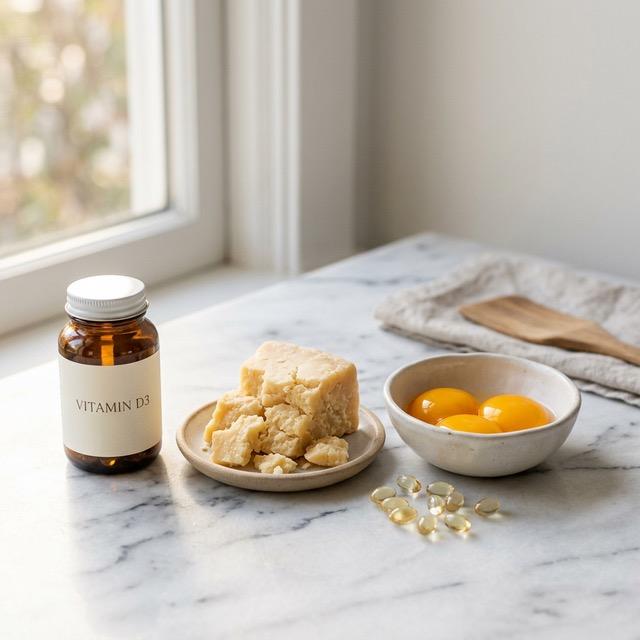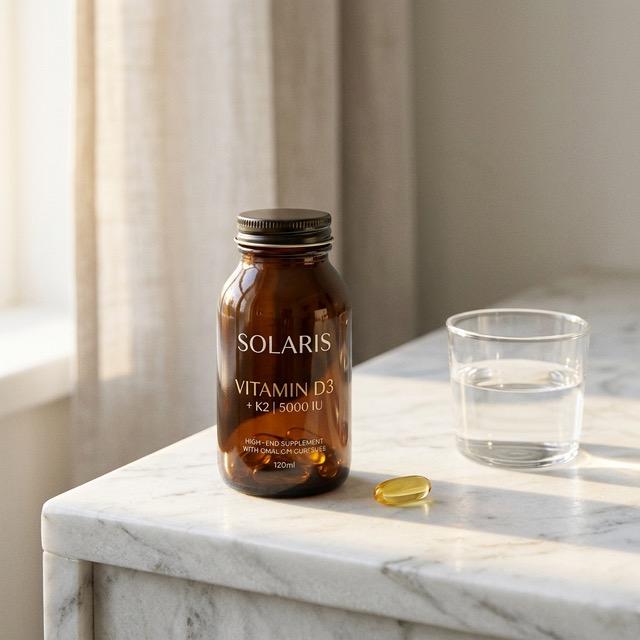
Vitamin D3 (2,000-4,000 IU daily; about 1 billion people globally are insufficient) is the foundation: it activates antimicrobial peptides and regulates T-cell responses, reducing respiratory infection risk. Zinc (15-30 mg elemental, picolinate or glycinate) cuts cold duration by ~2 days when taken within 24 hours of symptoms. Vitamin C (500-1,000 mg split doses) reduces cold duration by ~8% and accumulates in immune cells at 10-100x plasma concentration. Probiotics (10+ billion CFU of researched strains like Lactobacillus rhamnosus GG) cut upper respiratory infections by 47%. Ashwagandha indirectly supports immunity by lowering cortisol.
This content is for informational purposes only and is not a substitute for professional medical advice, diagnosis, or treatment. Always consult your physician or qualified healthcare provider before starting any supplement regimen.
Your immune system is a complex network of cells, tissues, and signaling molecules that depends on adequate nutrition to function properly. While a balanced diet covers most bases, several key nutrients are commonly under-consumed, and research shows that targeted supplementation can meaningfully reduce the frequency and severity of infections.
Here are the supplements with the strongest immune-support evidence, ranked by the depth and consistency of the research.
Top Supplements for Immunity
1. Vitamin D3
Vitamin D deficiency is a global epidemic — an estimated 1 billion people worldwide have insufficient levels. This matters for immunity because vitamin D is not just a vitamin; it functions as a hormone that directly modulates both innate and adaptive immune responses.
How it works: Vitamin D activates antimicrobial peptides (defensins and cathelicidins) that kill pathogens directly. It also regulates T-cell activation and helps prevent the excessive inflammatory response that drives severe illness. Multiple meta-analyses confirm that vitamin D supplementation reduces the risk of acute respiratory infections, with the greatest benefit in those who are deficient.
Dose: 2,000–4,000 IU daily for most adults. Those with confirmed deficiency may need 5,000–10,000 IU under medical supervision. Pair with vitamin K2 to support proper calcium metabolism.
When to take: With a fat-containing meal, as vitamin D is fat-soluble. Morning or afternoon is ideal — see our guide on the best time to take vitamin D.
2. Zinc
Zinc is involved in virtually every aspect of immune function. It's required for the development and activity of neutrophils, natural killer cells, and T-lymphocytes. Even mild zinc deficiency impairs immune response — and deficiency is common in older adults, vegetarians, and people with GI disorders.
How it works: Zinc acts as a gatekeeper for immune cell function and is also a direct antiviral agent. A Cochrane meta-analysis found that zinc supplementation within 24 hours of cold symptom onset reduced the duration of illness by an average of 2.25 days.
Dose: 15–30 mg of elemental zinc daily for maintenance. Zinc picolinate, zinc citrate, or zinc glycinate are the best-absorbed forms. During acute illness, up to 75 mg daily for a few days is supported by research, but don't exceed this without guidance.
When to take: With food to prevent nausea. Avoid taking zinc at the same time as iron, as they compete for absorption.
3. Vitamin C
Vitamin C is the most well-known immune supplement, and for good reason — it has solid evidence behind it, though the benefits are more nuanced than many people think.
How it works: Vitamin C accumulates in immune cells (particularly neutrophils and lymphocytes) at concentrations 10–100x higher than in blood plasma. It supports the production and function of white blood cells, acts as a potent antioxidant that protects immune cells from oxidative damage, and enhances antimicrobial activity.
Dose: 500–1,000 mg daily. Research shows vitamin C doesn't reliably prevent colds in the general population, but it does reduce their duration (by about 8% in adults) and may reduce severity. Physically active individuals see a larger benefit. Split doses are better absorbed than a single large dose.
When to take: With meals, split into 2–3 doses throughout the day. Vitamin C enhances iron absorption, so pairing it with iron-rich meals is a useful strategy.
4. Probiotics
Roughly 70% of your immune system resides in your gut. The composition of your gut microbiome has a profound influence on immune cell training, inflammatory balance, and pathogen defense.
How it works: Specific probiotic strains enhance the gut barrier, stimulate secretory IgA production (your mucosal immune defense), and modulate the balance between pro-inflammatory and anti-inflammatory immune responses. A meta-analysis of 12 RCTs found that probiotics reduced the incidence of upper respiratory tract infections by 47%.
Dose: At least 10 billion CFU daily of well-researched strains. Lactobacillus rhamnosus GG, Lactobacillus plantarum, and Bifidobacterium lactis have the strongest immune evidence. Choose products with strain-specific labeling, not just genus and species.
When to take: With food or just before a meal. Consistency matters more than timing.
5. Ashwagandha
While primarily known as an adaptogen for stress, ashwagandha has direct immunomodulatory effects that are often overlooked. Chronic stress suppresses immune function through sustained cortisol elevation, and ashwagandha addresses this pathway.
How it works: Ashwagandha has been shown to increase natural killer cell activity, boost IgG and IgM antibody production, and enhance macrophage function in human trials. By reducing cortisol (a potent immunosuppressant), it also indirectly supports the entire immune cascade.
Dose: 300–600 mg of standardized KSM-66 extract daily.
When to take: Morning or evening, with food. Benefits build over 4–8 weeks.
How to Build Your Stack
The foundation of an immune-support stack is simple:
- Vitamin D3 (2,000–4,000 IU) — address the most common and impactful deficiency
- Zinc (15–30 mg) — direct immune cell support
- Vitamin C (500–1,000 mg) — antioxidant protection for immune cells
These three cover the core nutritional bases. Add probiotics if you want to strengthen the gut-immune axis, especially if you've recently taken antibiotics or have digestive issues. Ashwagandha is valuable if stress is a persistent factor in your life.
Seasonal strategy: Consider increasing vitamin D during winter months (when sun exposure drops) and keeping zinc lozenges on hand for the first signs of a cold.
What to Avoid
Mega-dosing vitamin C: Beyond 1,000 mg per day, absorption drops sharply and you mostly produce expensive urine. Doses above 2,000 mg daily can cause GI distress and kidney stones in susceptible individuals.
Elderberry claims: While elderberry has some in-vitro antiviral activity, human clinical evidence is limited and inconsistent. It's not harmful, but it shouldn't be the cornerstone of your immune strategy.
Zinc long-term at high doses: Chronic zinc intake above 40 mg per day can cause copper deficiency, which paradoxically impairs immune function. Stick to 15–30 mg for maintenance.
"Immune booster" formulas: Products claiming to "boost" your immune system often misrepresent how immunity works. You want a well-regulated immune system, not an overactive one — overactivation leads to autoimmunity and chronic inflammation.
Start Tracking Your Stack
Immune supplements work through consistency, not heroic single doses when you feel a cold coming on. Track your daily intake of D3, zinc, and vitamin C to ensure you're building a reliable baseline of immune support. Over time, you may notice you catch fewer colds or recover faster — data that confirms your stack is working.