Match strain to goal: Lactobacillus rhamnosus GG for general gut health, Saccharomyces boulardii after antibiotics (yeast, so antibiotics do not kill it), Bifidobacterium infantis 35624 for IBS. Take 10+ billion CFU with or just before a meal. Add L-glutamine (5-10 g daily, up to 20 g for active repair) to fuel intestinal lining turnover. Zinc carnosine (75 mg twice daily) reduces NSAID-induced gut permeability by 75%. Omega-3 (1,000-2,000 mg EPA/DHA) and curcumin (500-2,000 mg) handle inflammation. Do not ignore dietary fiber (25-35 g daily) as the foundation.
This content is for informational purposes only and is not a substitute for professional medical advice, diagnosis, or treatment. Always consult your physician or qualified healthcare provider before starting any supplement regimen.
Your gut is far more than a digestion machine. It houses roughly 70% of your immune system, produces the majority of your serotonin, and communicates with your brain through the vagus nerve. When gut health deteriorates — through poor diet, stress, antibiotics, or chronic inflammation — the effects cascade throughout the body, affecting immunity, mood, energy, and skin.
The right supplements can support gut lining integrity, restore microbial balance, and reduce the inflammation that drives many digestive issues. Here are the ones with the strongest evidence.
Top Supplements for Gut Health
1. Probiotics
Probiotics are live microorganisms that confer a health benefit when consumed in adequate amounts. They're the most well-studied gut health supplement, but the key word is "specific" — different strains do different things, and a generic probiotic may not address your particular issue.
How it works: Probiotics support gut health through multiple mechanisms: competing with pathogenic bacteria for space and nutrients, strengthening the mucosal barrier, producing short-chain fatty acids (SCFAs) that nourish colonocytes, and modulating the immune response. The evidence is strongest for specific, well-researched strains — not just genus and species.
Best strains by purpose:
- General gut health: Lactobacillus rhamnosus GG, Bifidobacterium lactis BB-12
- After antibiotics: Saccharomyces boulardii (a probiotic yeast that antibiotics can't kill)
- IBS symptoms: Bifidobacterium infantis 35624, Lactobacillus plantarum 299v
- Immune support: Lactobacillus rhamnosus GG, Lactobacillus casei Shirota
Dose: At least 10 billion CFU daily of well-researched strains. Higher isn't automatically better — strain selection matters more than CFU count.
When to take: With food or just before eating. Stomach acid is most diluted during meals, which improves survival of probiotic organisms through the stomach.
2. L-Glutamine
L-glutamine is the most abundant amino acid in the body and the primary fuel source for enterocytes — the cells that line your intestinal wall. When the gut lining is compromised (increased intestinal permeability, commonly called "leaky gut"), glutamine is the key substrate for repair.
How it works: Enterocytes have an extremely high turnover rate — the entire intestinal lining replaces itself every 3–5 days. This requires enormous amounts of glutamine. During stress, illness, or intense exercise, demand can outstrip supply, leading to a weakened gut barrier. Supplemental glutamine has been shown to reduce intestinal permeability in clinical trials, including in post-surgical patients and those with IBD.
Dose: 5–10 g daily. For active gut repair (after antibiotics, during GI distress), up to 20 g daily in divided doses. Powder form dissolved in water is the most practical.
When to take: On an empty stomach for best absorption — first thing in the morning or between meals. Can also be taken before bed.
3. Zinc (Zinc Carnosine)
Zinc is essential for gut lining integrity, and a specific form — zinc carnosine (brand name Pepzin GI) — has particularly strong evidence for gastric and intestinal repair. This chelated form of zinc and L-carnosine was originally developed in Japan for gastric ulcers and has since been studied extensively for broader gut health.
How it works: Zinc carnosine adheres to ulcerated and inflamed areas of the gut lining, providing localized zinc delivery for tissue repair. It stabilizes the gut mucosa, reduces inflammation, and has been shown to reverse the increased intestinal permeability caused by NSAIDs. In a randomized trial, zinc carnosine reduced NSAID-induced gut permeability by 75%.
Dose: 75 mg of zinc carnosine twice daily (providing approximately 16 mg of elemental zinc per dose). Standard zinc supplements (picolinate, glycinate) at 15–30 mg daily also support gut health but lack the targeted mucosal adhesion of zinc carnosine.
When to take: Between meals for zinc carnosine (it needs to adhere directly to the gut lining). Standard zinc should be taken with food.
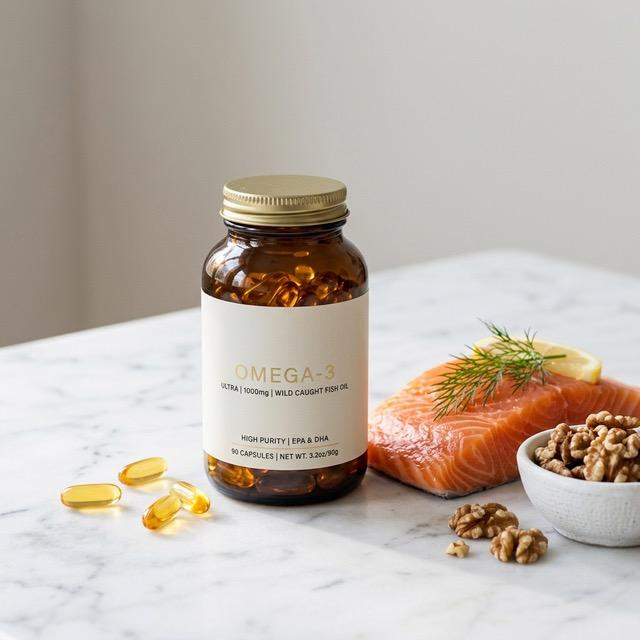
4. Omega-3 Fatty Acids
Omega-3s are best known for heart and brain health, but their anti-inflammatory effects extend powerfully to the gut. Chronic gut inflammation drives the progression of conditions from IBS to IBD, and omega-3s address this at the biochemical level.
How it works: EPA and DHA reduce the production of pro-inflammatory eicosanoids in intestinal tissue, support the resolution phase of gut inflammation, and improve the diversity and composition of the gut microbiome. Research shows omega-3 supplementation increases populations of Bifidobacterium and Lactobacillus — beneficial species associated with better gut health. See our omega-3 dosage guide for comprehensive dosing information.
Dose: 1,000–2,000 mg of combined EPA/DHA daily.
When to take: With meals for better absorption and reduced chance of GI side effects.
5. Turmeric/Curcumin
Curcumin has a direct affinity for the gastrointestinal tract — in fact, its poor systemic absorption (often cited as a limitation) means that a significant portion of an oral dose remains in the GI tract, where it exerts local anti-inflammatory effects.
How it works: Curcumin inhibits NF-kB and COX-2 in intestinal tissue, reduces mucosal inflammation, and has been shown to help maintain remission in ulcerative colitis. A landmark RCT published in Clinical Gastroenterology and Hepatology found that curcumin combined with standard therapy maintained remission in UC patients significantly better than standard therapy alone.
Dose: 500–2,000 mg of curcumin daily. For gut-specific effects, standard curcumin (without enhanced absorption technology) may actually be appropriate, since you want it to remain in the GI tract. However, for systemic anti-inflammatory benefits alongside gut effects, use a bioavailable form with piperine or phospholipid delivery.
When to take: With meals. Split into two doses for more consistent GI exposure.
How to Build Your Stack
Gut health issues have different drivers, so customize your approach:
For general maintenance:
- Probiotics (10+ billion CFU of targeted strains) — maintain microbial balance
- Omega-3 (1,000+ mg EPA/DHA) — reduce baseline inflammation
For gut repair (after antibiotics, during GI distress):
- L-Glutamine (10–20 g daily) — fuel gut lining repair
- Zinc carnosine (75 mg twice daily) — targeted mucosal healing
- Saccharomyces boulardii — restore balance post-antibiotics
For inflammatory gut conditions (complement to medical treatment):
- Everything above, plus:
- Curcumin (1,000–2,000 mg) — anti-inflammatory support
Start with probiotics and omega-3 as your foundation and add targeted supplements based on your specific needs.
What to Avoid
Random probiotic brands: Many commercial probiotics contain strains with no clinical evidence, inadequate CFU counts, or poor viability (the organisms die before reaching your gut). Choose products that list specific strain designations, have been third-party tested, and guarantee CFU count at expiration — not just at manufacture.
Digestive enzyme dependency: While digestive enzymes can provide temporary relief, long-term use may reduce your body's own enzyme production. They're useful as a bridge while addressing root causes, not as a permanent solution.
Activated charcoal regularly: Charcoal binds indiscriminately — including to nutrients, medications, and beneficial compounds. Occasional use for acute issues is fine, but regular use can cause nutritional deficiencies and medication interference.
Ignoring the fiber foundation: No supplement stack can compensate for an inadequate fiber intake. Prebiotic fiber (from vegetables, legumes, and whole grains) feeds your beneficial bacteria — probiotics introduce them, but fiber sustains them. Aim for 25–35 g of dietary fiber daily.
Start Tracking Your Stack
Gut health is complex and individual — what works for one person may not work for another. Track your supplements daily alongside digestive symptoms (bloating, energy, bowel regularity). After 4–6 weeks of consistent data, you'll be able to see which supplements correlate with improvements and make informed adjustments to your protocol.