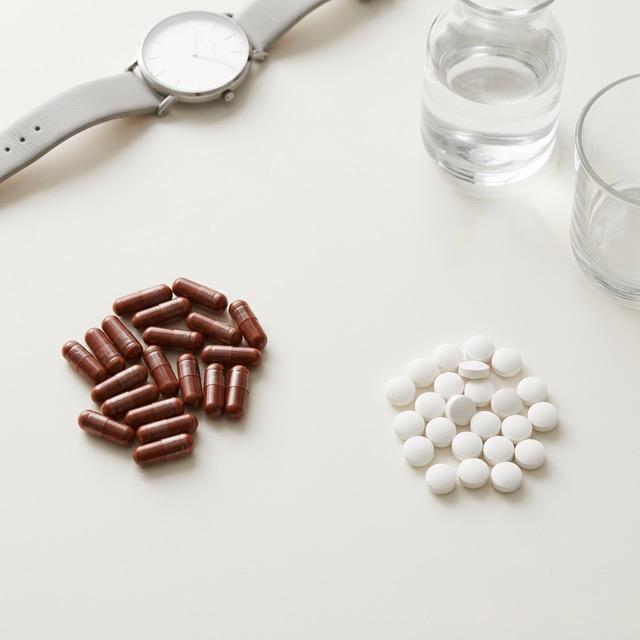
Zinc and iron use the same divalent metal transporter (DMT1) for absorption, so taking them together reduces uptake of both. Practical: space zinc and iron at least 2 hours apart. If you have iron-deficiency anemia, prioritize iron timing (empty stomach in the morning with vitamin C) and shift zinc to dinner with food. The effect is most pronounced at high doses (45+ mg of either). Both are essential and competing; standard multivitamins that contain both at low doses generally do not cause functional problems.
This content is for informational purposes only and is not a substitute for professional medical advice, diagnosis, or treatment. Always consult your physician or qualified healthcare provider before starting any supplement regimen.
If your supplement routine includes both zinc and iron, you are dealing with a well-documented case of mineral competition. These two essential nutrients share absorption pathways in your gut, and when they arrive at the same time, they interfere with each other's uptake. The result is that you absorb less of both — which defeats the purpose of supplementing in the first place.
This interaction is especially relevant for women of reproductive age, vegetarians, and athletes, who are among the groups most likely to supplement with both minerals.
How the Interaction Works
Zinc and iron are both divalent cations (they carry a +2 charge), and they compete for the same divalent metal transporter 1 (DMT1) in the intestinal lining. DMT1 is the primary gateway for non-heme iron absorption, and zinc uses this transporter as well, particularly when taken in supplement form on an empty stomach.
When zinc and iron are present in the gut simultaneously, they effectively crowd each other out at these transport sites. The mineral present in higher concentration tends to have an advantage, but both suffer reduced absorption compared to when they are taken alone.
Iron can also compete with zinc for binding to transferrin, the protein that carries metals through the bloodstream, although this secondary interaction is less significant than the gut-level competition.
Interestingly, this competition is most pronounced with supplemental forms. When zinc and iron are consumed together as part of a mixed meal, the food matrix and the presence of other nutrients tends to buffer the competition somewhat. But when taken as isolated supplements, particularly on an empty stomach, the interference is at its strongest.
What the Research Says
Research published in the American Journal of Clinical Nutrition found that a fivefold excess of zinc over iron (15 mg zinc with 3 mg iron) cut iron absorption by 56 percent when both were taken in water, but not when they were taken with a meal. Conversely, high-dose iron supplements can significantly reduce zinc absorption.
A study examining prenatal supplements found that women taking combined iron and zinc supplements had lower serum zinc levels than those taking zinc alone, suggesting that the iron in the prenatal formula was impairing zinc uptake.
The competitive effect is dose-dependent. At lower doses and in the presence of food, the interaction is less severe. But at the supplemental doses most people take (15 to 50 mg zinc, 18 to 65 mg iron), the competition is clinically meaningful.
A 2019 review in Nutrients concluded that co-supplementation of zinc and iron is less effective than staggered supplementation for improving status of both minerals, particularly in populations at risk of deficiency.
Practical Recommendations
Managing this interaction is primarily a matter of timing:
- Separate zinc and iron by at least 2 to 3 hours — this is the most important step
- Take iron in the morning with vitamin C — vitamin C enhances iron absorption, and morning dosing on a relatively empty stomach maximizes uptake
- Take zinc in the evening with a small meal — zinc can cause nausea on an empty stomach, so a light snack helps with tolerance
- If you take a multivitamin containing both, the doses are usually low enough (8 to 15 mg iron, 8 to 11 mg zinc) that the competition is modest. Consider whether you need additional stand-alone supplements of either mineral.
- Avoid taking zinc and iron together on an empty stomach — this is the scenario where competition is strongest
Dosage Considerations
The severity of the zinc-iron interaction scales with dosage:
- Low doses (under 15 mg each): Moderate competition, especially if taken with food. Standard multivitamin doses fall in this range and are generally acceptable together.
- Moderate doses (15 to 30 mg each): Meaningful competition. Separating doses is recommended for anyone trying to correct a deficiency.
- High doses (30 mg or more of either): Strong competition. Always separate these doses. If you are taking therapeutic doses of iron (65 mg) for anemia, zinc should be taken at a completely different time of day.
For people supplementing with both minerals long-term, periodic blood work to check both iron status (ferritin, serum iron, transferrin saturation) and zinc status (plasma zinc) is a good practice to ensure your supplementation strategy is actually working.
Key Takeaway
Zinc and iron compete directly for absorption when taken together. The fix is simple: take them at least 2 to 3 hours apart. Morning iron with vitamin C and evening zinc with a small meal is an effective and easy-to-follow schedule.
Track Your Timing
Supplement Tracker helps you schedule zinc and iron at separate times so they do not compete in your gut. Set individualized reminders for each mineral, log your doses, and ensure your body gets the full benefit of both supplements every day.