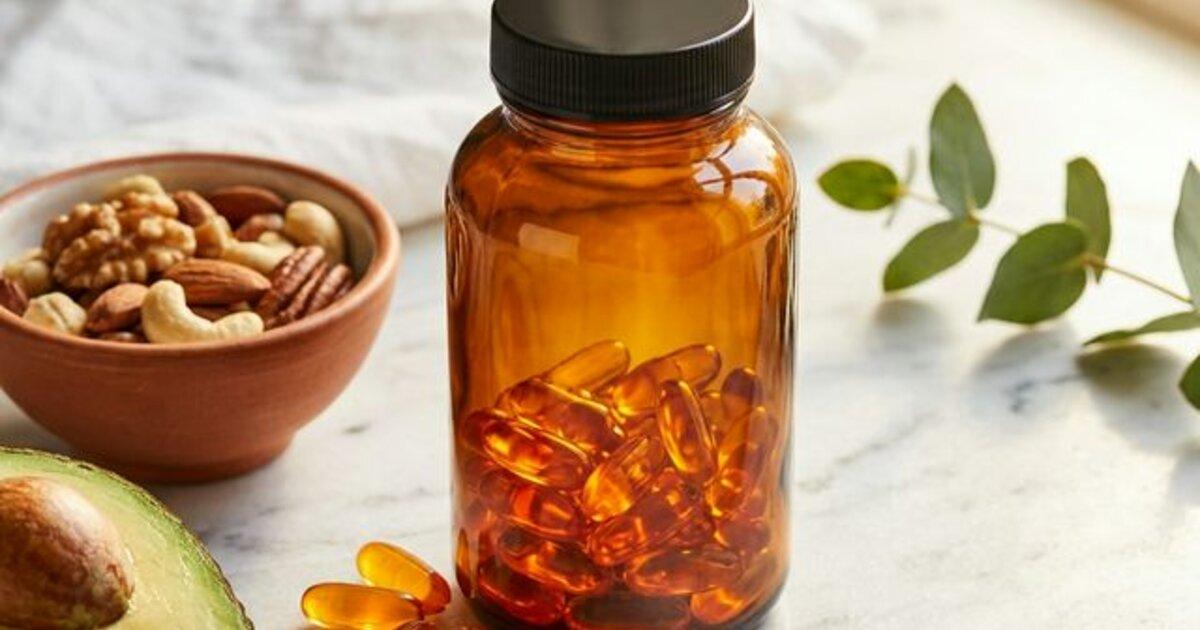
CoQ10 supports mitochondrial ATP production and declines with age (50% lower by 80). 100–300 mg per day, taken with a fat-containing meal, is the standard range. Statin users benefit at 100–300 mg because statins deplete CoQ10. People over 40 should choose ubiquinol (the active reduced form) over ubiquinone, since conversion declines with age. Look for Kaneka-sourced products. May interact with warfarin (vitamin-K-like structure) and blood-pressure medications: monitor if you take either.
This content is for informational purposes only and is not a substitute for professional medical advice, diagnosis, or treatment. Always consult your physician or qualified healthcare provider before starting any supplement regimen.
Quick Reference
- Typical Dosage
- 100–300 mg daily
- Best Time to Take
- With a fat-containing meal
- Available Forms
- Softgels, Capsules, Liquid, Chewables
- Also Known As
- Coenzyme Q10, Ubiquinol, Ubiquinone
Coenzyme Q10 (CoQ10) is a naturally occurring compound found in virtually every cell of your body, with the highest concentrations in organs that demand the most energy — your heart, liver, kidneys, and muscles. Its primary job is to help produce ATP, the molecule that fuels all cellular activity. Without CoQ10, your cells simply cannot generate energy efficiently.
Your body produces CoQ10 on its own, but production peaks in your mid-20s and steadily declines with age. By age 80, CoQ10 levels can be 50% lower than in youth. This natural decline is one reason why energy, cardiovascular function, and cellular repair all tend to slow as we get older.
CoQ10 has also gained significant attention for its ability to counteract the CoQ10-depleting effects of statin medications, which are taken by hundreds of millions of people worldwide. Whether you are interested in cellular energy, heart health, or managing statin side effects, CoQ10 is a supplement worth understanding.
What are the key benefits?
-
Cellular energy production. CoQ10 is an essential component of the mitochondrial electron transport chain — the process that generates roughly 95% of your body's ATP. Supplementing with CoQ10 supports this energy-generating machinery, which is particularly relevant as natural production declines with age.
-
Heart health. The heart is your most energy-demanding organ, beating over 100,000 times a day. CoQ10 supplementation has been studied extensively in the context of heart failure, and several clinical trials (including the landmark Q-SYMBIO study) found that CoQ10 significantly reduced major cardiovascular events and improved symptoms in patients with heart failure. It may also support healthy blood pressure.
-
Statin side effect management. Statin drugs (atorvastatin, rosuvastatin, etc.) lower cholesterol by inhibiting an enzyme called HMG-CoA reductase — the same pathway involved in CoQ10 synthesis. As a result, statin users often experience depleted CoQ10 levels, which may contribute to the muscle pain, weakness, and fatigue that up to 20% of statin users report. Supplementing with CoQ10 can replenish levels and may reduce statin-associated myalgia.
-
Antioxidant protection. CoQ10 in its reduced form (ubiquinol) is a potent lipid-soluble antioxidant. It protects cell membranes, LDL cholesterol, and mitochondrial DNA from oxidative damage.
-
Exercise performance. Some research suggests that CoQ10 supplementation can reduce exercise-induced oxidative stress, improve subjective energy levels, and enhance recovery. The evidence is more consistent in older adults and people with lower baseline CoQ10 levels.
What is the recommended dose?
- General wellness and anti-aging: 100–200 mg/day
- Statin users: 100–300 mg/day (many cardiologists recommend at least 100 mg)
- Heart failure (under medical supervision): 200–400 mg/day
- Exercise performance: 100–300 mg/day
- Fertility support: 200–600 mg/day (both male and female fertility have been studied)
Start with 100 mg/day and increase as needed. CoQ10 is fat-soluble, so the form and how you take it matters for absorption (see below).
Ubiquinol vs. Ubiquinone:
- Ubiquinone is the oxidized form of CoQ10 and the most common supplement form. Your body converts it to the active ubiquinol form. Effective and affordable.
- Ubiquinol is the reduced (active) form. It is more bioavailable and may be the better choice for people over 40, whose ability to convert ubiquinone to ubiquinol may be reduced. It is more expensive, but you may need lower doses.
For people under 40, either form works well. For people over 40 or those with absorption concerns, ubiquinol offers an advantage.
When is the best time to take it?
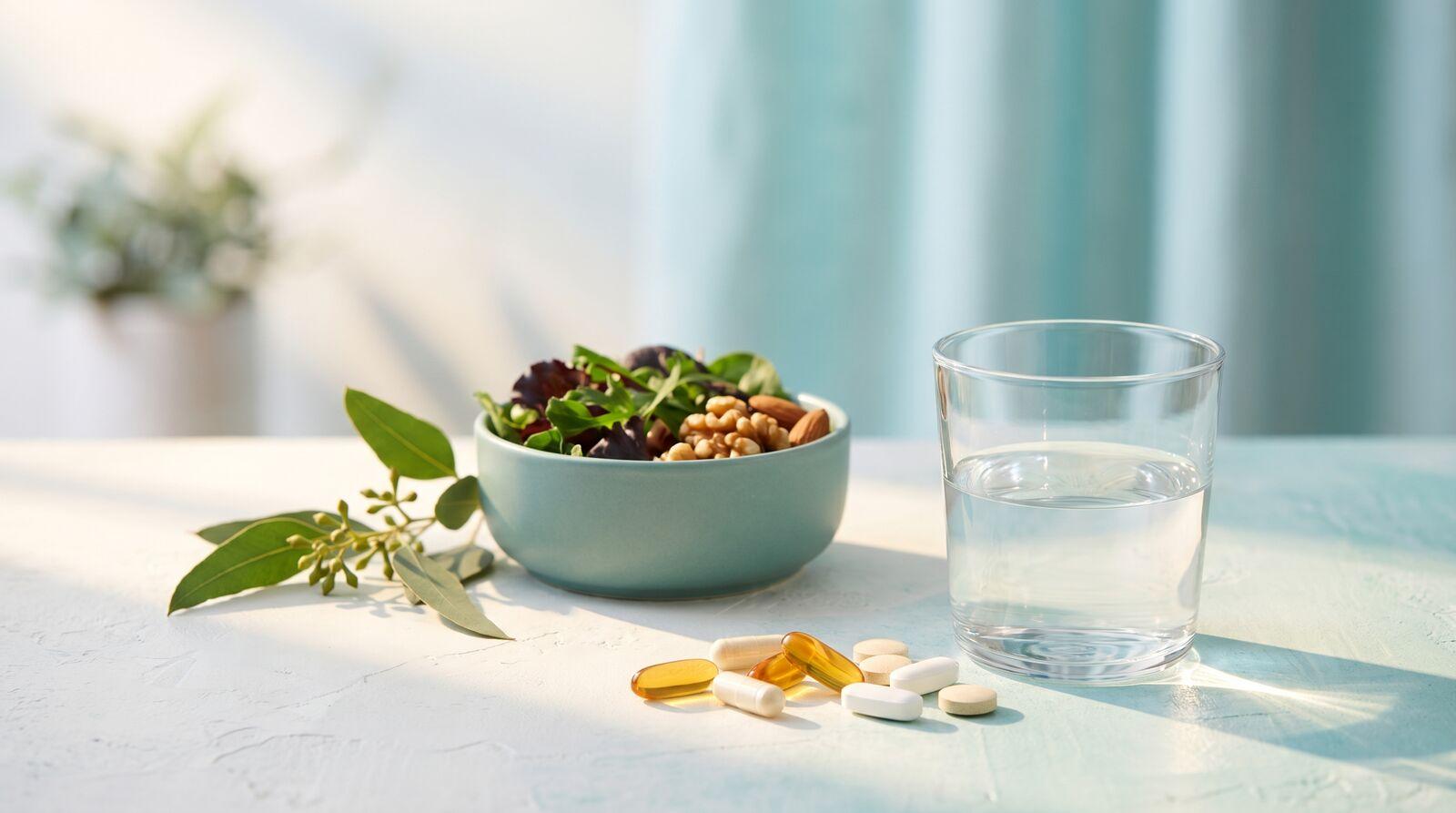
Take CoQ10 with a meal that contains fat. As a fat-soluble compound, CoQ10 absorption increases dramatically when consumed alongside dietary fat — some studies show up to 3x better absorption compared to taking it on an empty stomach.
There is no strong evidence favoring morning versus evening dosing. Most people take CoQ10 with breakfast or lunch. Since it supports energy production, some practitioners suggest avoiding large evening doses if you find it mildly energizing, but this effect is uncommon and subtle.
If your dose is 200 mg or higher, splitting it into two servings (with breakfast and dinner) may improve absorption.
What forms are available?
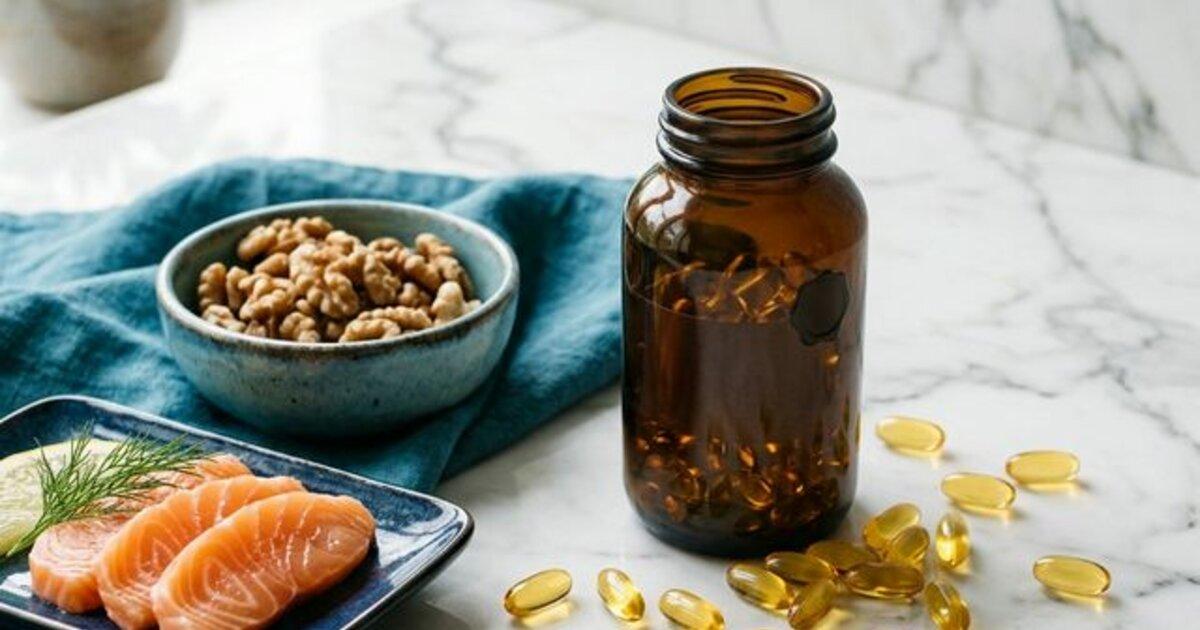
- Softgels — The preferred format, especially oil-based softgels that provide built-in fat for absorption. Look for products that use soybean oil, MCT oil, or other lipid carriers.
- Capsules — Dry powder capsules are available but may be less well absorbed than oil-based softgels. Take with a fatty meal to compensate.
- Liquid — Liposomal or emulsified liquid CoQ10 may offer enhanced absorption. Good for people who have difficulty swallowing pills.
- Chewables — Available for people who prefer not to swallow supplements. Check the CoQ10 form and dose per chewable.
Quality tip: Look for products that specify "Kaneka" ubiquinol or ubiquinone — Kaneka is the world's largest and most trusted CoQ10 manufacturer, producing naturally fermented CoQ10 in Japan.
What are the side effects and precautions?
CoQ10 is remarkably well tolerated. In clinical trials using doses up to 1,200 mg/day, no serious adverse effects have been documented.
Uncommon side effects:
- Mild digestive upset (nausea, stomach discomfort)
- Insomnia (rare, and usually only at very high doses)
- Headache
- Rash (very rare)
Important interactions:
- Blood thinners (warfarin). CoQ10 has a chemical structure similar to vitamin K and may reduce the effectiveness of warfarin. If you take warfarin, monitor your INR closely and consult your doctor before starting CoQ10.
- Blood pressure medications. CoQ10 may have a mild blood pressure-lowering effect, which could enhance the effects of antihypertensive drugs. Monitor your blood pressure.
- Chemotherapy. Some oncologists express concern that CoQ10's antioxidant properties might theoretically interfere with certain chemotherapy drugs. Consult your oncologist before supplementing during cancer treatment.
- Diabetes medications. CoQ10 may improve insulin sensitivity, potentially affecting blood sugar control. Monitor glucose levels if you are on diabetes medications.
The Bottom Line
CoQ10 is a foundational supplement for cellular energy, heart health, and healthy aging. It is particularly important for anyone taking statins, adults over 40, and people looking to support cardiovascular function. A daily dose of 100–300 mg, taken with a fatty meal in ubiquinol or oil-based ubiquinone form, is well-supported by clinical evidence.
Like most supplements that support long-term health, CoQ10 works best with daily consistency over months and years. Supplement Tracker helps you make CoQ10 a non-negotiable part of your routine, log it alongside your Omega-3 and Vitamin D3, and keep your cardiovascular health stack on track day after day.