Vitamin B12 deficiency develops slowly and causes fatigue, brain fog, numbness, and irreversible nerve damage if untreated. Vegans, vegetarians, and adults over 50 should supplement 1,000–2,500 mcg per day. Methylcobalamin (the active form) is the better choice over cyanocobalamin, especially with MTHFR variants. Take in the morning; absorption doesn't require food. Sublingual or liquid forms bypass GI absorption issues common in pernicious anemia, Crohn's, or post-gastric surgery. Toxicity is essentially unheard of; excess is excreted in urine.
This content is for informational purposes only and is not a substitute for professional medical advice, diagnosis, or treatment. Always consult your physician or qualified healthcare provider before starting any supplement regimen.
Quick Reference
- Typical Dosage
- 500–2,500 mcg daily
- Best Time to Take
- Morning, with or without food
- Available Forms
- Sublingual tablets, Capsules, Drops, Injections, Sprays
- Also Known As
- Cobalamin, Methylcobalamin, Cyanocobalamin
Vitamin B12 is a water-soluble vitamin that plays an irreplaceable role in neurological function, red blood cell formation, and DNA synthesis. Unlike most vitamins, B12 is found almost exclusively in animal-derived foods — meat, fish, dairy, and eggs — which makes it one of the most commonly deficient nutrients among vegetarians, vegans, and older adults.
What makes B12 deficiency particularly insidious is that it can develop slowly over months or even years, and the symptoms often mimic other conditions. Fatigue, brain fog, numbness and tingling in the extremities, mood changes, and memory problems can all be signs of inadequate B12. Left unaddressed, severe deficiency can cause irreversible neurological damage.
The good news is that B12 supplementation is safe, inexpensive, and highly effective. Whether you follow a plant-based diet, are over 50, or simply want to ensure your energy and brain function are optimized, here is what you need to know.
What are the key benefits?
-
Energy and fatigue reduction. B12 is essential for converting food into cellular energy. While it is not a stimulant, correcting a B12 deficiency can dramatically improve energy levels, stamina, and overall vitality. If you feel chronically tired despite adequate sleep, low B12 may be a factor.
-
Neurological health. B12 is critical for maintaining the myelin sheath — the protective coating around your nerves. Deficiency can lead to peripheral neuropathy (tingling, numbness), difficulty walking, cognitive decline, and in severe cases, irreversible nerve damage.
-
Red blood cell formation. Alongside Iron and folate, B12 is required for the production of healthy red blood cells. Deficiency causes megaloblastic anemia, where the body produces abnormally large, dysfunctional red blood cells that cannot carry oxygen effectively.
-
Mood and cognitive function. B12 is involved in the synthesis of serotonin and other neurotransmitters. Low levels are associated with increased risk of depression and cognitive decline, particularly in older adults.
-
Homocysteine regulation. B12, along with folate and B6, helps convert homocysteine (an amino acid linked to cardiovascular disease when elevated) into methionine. Adequate B12 intake supports healthy homocysteine levels.
What is the recommended dose?
The RDA for adults is just 2.4 mcg/day, but supplemental doses are typically much higher because absorption is inefficient — especially from oral supplements, where only a small percentage of the ingested dose is actually absorbed.
- General supplementation: 500–1,000 mcg/day
- Vegans and vegetarians: 1,000–2,500 mcg/day (since they get essentially zero from diet)
- Older adults (50+): 1,000–2,500 mcg/day (absorption from food declines with age due to reduced stomach acid)
- People with diagnosed deficiency: Higher doses or injections may be prescribed by a doctor
B12 is water-soluble, so excess is excreted in urine. There is no established upper intake level, and toxicity is essentially unheard of even at high supplemental doses. If you have absorption issues (pernicious anemia, Crohn's disease, or a history of gastric surgery), sublingual or injectable forms may be more effective than standard oral supplements.
When is the best time to take it?
Take B12 in the morning. Because B12 plays a role in energy metabolism and neurotransmitter production, morning dosing aligns with your body's natural energy cycle and avoids any potential interference with sleep.
B12 can be taken with or without food — it does not require dietary fat for absorption and is not irritating to the stomach. Some people prefer to take it with breakfast out of habit, which is perfectly fine.
If you use a sublingual (under-the-tongue) form, let it dissolve completely rather than swallowing it whole. This allows the B12 to be absorbed directly through the mucosal membranes, bypassing potential GI absorption issues.
What forms are available?
- Sublingual tablets — Dissolve under the tongue for direct absorption into the bloodstream. A popular choice for people with digestive or absorption issues.
- Capsules — Standard oral supplementation. Effective for most people with normal digestion.
- Drops — Liquid B12 that can be placed under the tongue or added to water. Allows flexible dosing.
- Sprays — Oral sprays that deliver B12 through the mucosal lining of the mouth. Convenient for on-the-go use.
- Injections — Administered by a healthcare provider. Reserved for people with pernicious anemia, severe deficiency, or significant absorption issues.
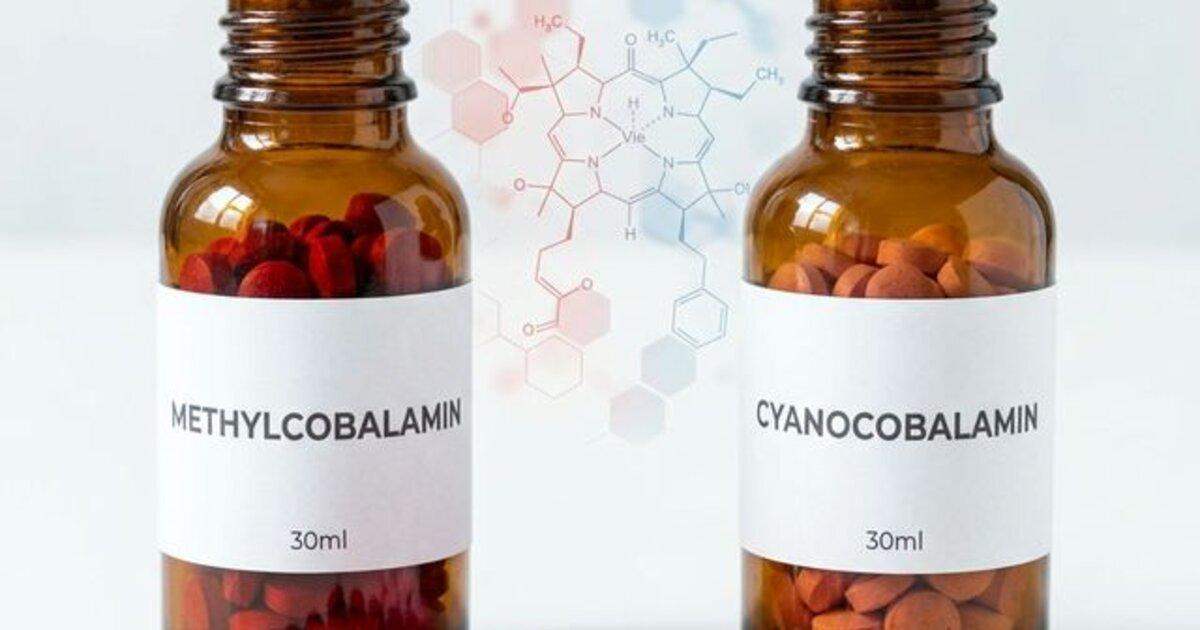
Methylcobalamin vs. Cyanocobalamin:
- Methylcobalamin is the "active" form of B12 — it does not require conversion by the body and may be better retained. It is the preferred choice for daily supplementation and is especially recommended for people with MTHFR gene variations.
- Cyanocobalamin is the synthetic form. It is more stable, cheaper, and the most widely studied form. It works well for most people but requires a conversion step in the body.
For most people, either form is effective. If you want the most bioavailable option, go with methylcobalamin.
What are the side effects and precautions?
Vitamin B12 supplementation is extremely safe. Side effects are rare and usually limited to:
- Mild headache or nausea (uncommon)
- Skin breakouts in some individuals at very high doses
- Urine may appear bright yellow (this is harmless and due to excess B-vitamin excretion)
Considerations:
- People with Leber's hereditary optic neuropathy should avoid supplemental B12, as it may worsen the condition.
- B12 deficiency and folate deficiency share similar blood symptoms (megaloblastic anemia). Taking high-dose folate can mask a B12 deficiency, allowing neurological damage to progress undetected. If you supplement with folate or a B-Complex, make sure you are also getting adequate B12.
- Some research has raised questions about very high-dose B12 in smokers, but for the general population, supplementation at standard doses is considered safe.
The Bottom Line
Vitamin B12 is a non-negotiable supplement for vegans, vegetarians, and adults over 50. Even if you eat animal products, suboptimal levels are more common than you might think. Methylcobalamin at 500–2,500 mcg daily, taken in the morning, is a simple and safe way to protect your nervous system, support energy production, and maintain healthy blood cells.
Tracking your B12 alongside other B vitamins and Iron gives you a clear picture of your energy-supporting supplement routine. Supplement Tracker helps you log it daily, monitor how your energy levels respond over time, and make sure you are consistent with a supplement that works best when taken every single day.