Iron deficiency affects ~1.6 billion people globally, but iron isn't a supplement to take 'just in case'. Test ferritin and hemoglobin first. Premenopausal women need 18 mg/day (RDA), pregnancy 27 mg, men typically need none from supplements. For diagnosed deficiency, 45–65 mg of elemental iron daily for 3–6 months. Ferrous bisglycinate is the gentlest form. Take on an empty stomach in the morning with 200 mg vitamin C (boosts absorption up to 67%). Avoid calcium, coffee, tea, and zinc within 2 hours.
This content is for informational purposes only and is not a substitute for professional medical advice, diagnosis, or treatment. Always consult your physician or qualified healthcare provider before starting any supplement regimen.
Quick Reference
- Typical Dosage
- 18–45 mg daily (or as directed by a doctor)
- Best Time to Take
- Morning, on an empty stomach with vitamin C
- Available Forms
- Capsules, Tablets, Liquid, Softgels
- Also Known As
- Ferrous Bisglycinate, Ferrous Sulfate, Iron Bisglycinate
Iron is an essential mineral that your body needs to produce hemoglobin — the protein in red blood cells that carries oxygen from your lungs to every tissue and organ. Without enough iron, your cells literally suffocate, leading to fatigue, weakness, brain fog, and a host of other symptoms that can quietly erode your quality of life.
Iron deficiency is the most common nutritional deficiency worldwide, affecting an estimated 1.6 billion people. Women of reproductive age, pregnant women, athletes, vegetarians, vegans, and frequent blood donors are at significantly higher risk. Yet iron is also a supplement that should not be taken carelessly — too much iron can be harmful, and not everyone needs extra.
Understanding whether you need iron, how much to take, and how to maximize absorption is critical for getting the benefits without the risks.
What are the key benefits?
-
Prevents and treats iron-deficiency anemia. The most well-established benefit. Adequate iron restores hemoglobin levels, resolving fatigue, weakness, pale skin, shortness of breath, and dizziness associated with anemia.
-
Energy and physical performance. Even without full-blown anemia, low iron stores (low ferritin) can cause fatigue and reduced exercise capacity. Iron supplementation has been shown to improve energy levels and endurance in iron-depleted individuals, particularly women.
-
Cognitive function. Iron is necessary for neurotransmitter synthesis and myelin production. Low iron levels are associated with poor concentration, reduced memory, and impaired cognitive performance, especially in children and young women.
-
Immune function. Iron plays a role in immune cell proliferation and maturation. Both deficiency and excess can impair immunity, highlighting the importance of maintaining adequate (but not excessive) levels.
-
Pregnancy support. Iron requirements nearly double during pregnancy to support the growing fetus and expanded blood volume. Adequate iron intake reduces the risk of preterm delivery, low birth weight, and maternal anemia.
What is the recommended dose?
Iron dosage should ideally be guided by blood test results (serum ferritin, hemoglobin, and transferrin saturation). Do not supplement iron at high doses without confirming you need it.
General guidelines:
- RDA for adult men and postmenopausal women: 8 mg/day (most men get enough from diet alone)
- RDA for premenopausal women: 18 mg/day
- RDA during pregnancy: 27 mg/day
- For diagnosed iron deficiency: 45–65 mg of elemental iron daily, often prescribed by a doctor, typically for 3–6 months until stores are replenished
If you are supplementing for general prevention (not treating a diagnosed deficiency), lower doses of 18–25 mg per day are usually sufficient and better tolerated.
Every-other-day dosing is a strategy gaining evidence-based support. Research suggests that taking iron every other day (rather than daily) can actually improve absorption efficiency and reduce side effects, because iron supplementation temporarily increases hepcidin, a hormone that blocks iron absorption for about 24 hours.
When is the best time to take it?
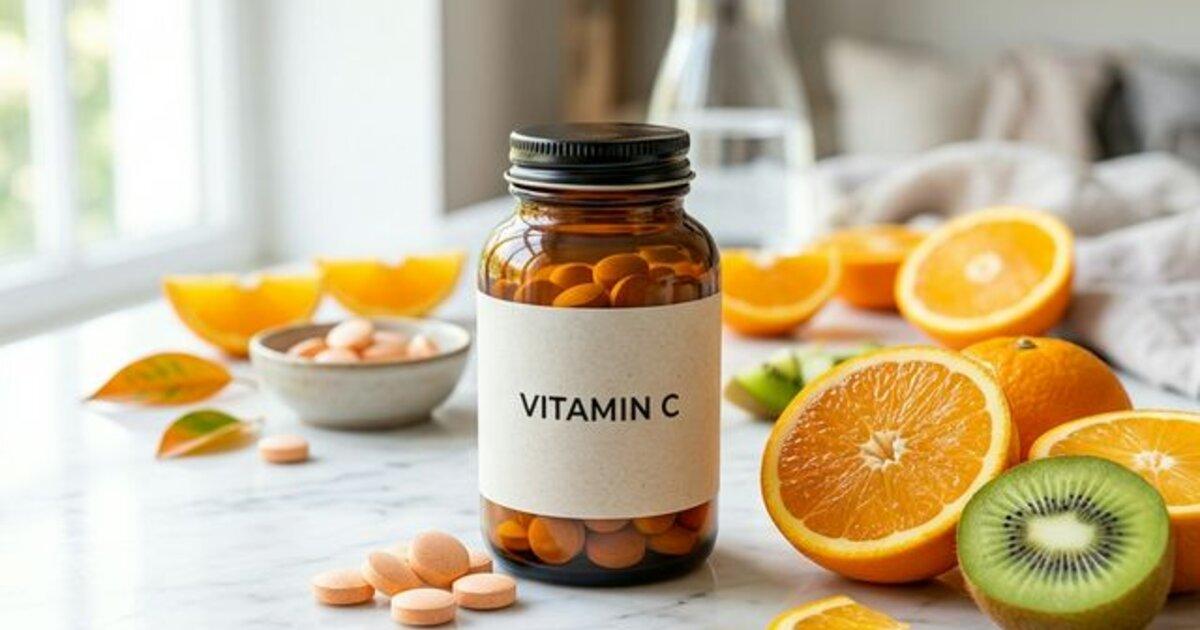
For maximum absorption, take iron in the morning on an empty stomach, at least 30–60 minutes before breakfast. Pair it with a source of Vitamin C (a glass of orange juice or a 200 mg vitamin C supplement), which can enhance iron absorption by up to 67%.
What to avoid taking with iron:
- Calcium supplements and calcium-rich foods — calcium significantly inhibits iron absorption. Space them at least 2 hours apart. See our detailed guide on Iron and Calcium interactions.
- Coffee and tea — the polyphenols and tannins in these beverages can reduce iron absorption by 50–90%. Wait at least an hour after taking iron before drinking coffee or tea.
- Antacids and proton pump inhibitors — these reduce stomach acid, which is needed for iron absorption.
- Zinc supplements — high-dose zinc can compete with iron for absorption. Space them apart.
What forms are available?
Not all iron supplements are created equal. The form you choose significantly affects both absorption and side effects:
- Ferrous bisglycinate (iron bisglycinate) — A chelated form that is well absorbed and much gentler on the stomach. This is the preferred form for most people due to its excellent tolerability.
- Ferrous sulfate — The most commonly prescribed form. Effective and affordable, but more likely to cause GI side effects (constipation, nausea, stomach pain).
- Ferrous gluconate — Slightly gentler than ferrous sulfate, with moderate bioavailability.
- Ferrous fumarate — High elemental iron content per tablet, but similar GI side effect profile to sulfate.
- Liquid iron — Useful for people who cannot tolerate tablets or need flexible dosing. May stain teeth (drink through a straw).
If previous iron supplements have upset your stomach, switching to ferrous bisglycinate often solves the problem entirely.
What are the side effects and precautions?
Iron supplementation carries more risks than many other supplements, which is why targeted use is important.
Common side effects:
- Constipation (the most frequent complaint)
- Nausea and stomach pain
- Dark or black stools (harmless, but can be alarming)
- Metallic taste
Serious concerns:
- Iron overload (hemochromatosis). People with hereditary hemochromatosis or chronic transfusions can accumulate dangerous levels of iron. Never take iron supplements without confirming your levels through blood work.
- Accidental overdose in children. Iron supplements are a leading cause of poisoning in young children. Always store them securely out of reach.
- Drug interactions. Iron can reduce the effectiveness of thyroid medications (levothyroxine), certain antibiotics (tetracyclines, quinolones), and levodopa. Space iron at least 2–4 hours from these medications.
Who should NOT supplement iron without a doctor's guidance:
- Men (who rarely need extra iron)
- Postmenopausal women
- Anyone with a history of hemochromatosis or iron overload
- People with chronic liver disease
The Bottom Line
Iron is an essential supplement for people with confirmed deficiency or elevated needs — particularly premenopausal women, pregnant women, vegetarians, and endurance athletes. But it is not a supplement to take "just in case." Get your levels tested, choose a gentle form like ferrous bisglycinate, take it with Vitamin C for enhanced absorption, and space it away from Calcium and coffee.
Tracking your iron intake with Supplement Tracker is especially valuable because timing and interactions matter so much with this mineral. Setting reminders to take it on the right schedule — and logging how you feel — can help you and your healthcare provider optimize your dosing over time.