Zinc at 15–30 mg per day supports immune function, wound healing, hormone balance, and over 300 enzymatic reactions. Take with food to prevent nausea. Choose zinc picolinate or bisglycinate (best-absorbed forms); avoid zinc oxide. Do not exceed 40 mg per day long-term; chronic high-dose zinc depletes copper and causes anemia and neurological issues. If supplementing above 25 mg daily, add 1–2 mg copper to maintain ratio. For acute cold support, lozenges at 75 mg per day for a few days only. Space 2 hours from iron, calcium, and antibiotics.
This content is for informational purposes only and is not a substitute for professional medical advice, diagnosis, or treatment. Always consult your physician or qualified healthcare provider before starting any supplement regimen.
Quick Reference
- Typical Dosage
- 15–30 mg daily
- Best Time to Take
- With a meal, morning or evening
- Available Forms
- Capsules, Tablets, Lozenges, Liquid
- Also Known As
- Zinc Picolinate, Zinc Bisglycinate, Zinc Citrate
Zinc is a trace mineral that punches far above its weight. It is involved in over 300 enzymatic reactions and is essential for immune function, wound healing, protein synthesis, DNA creation, and cell division. Despite being needed in relatively small amounts, zinc deficiency is surprisingly common — the World Health Organization estimates that roughly 17% of the global population is at risk.
Your body does not store zinc, so you need a consistent daily intake from food or supplements. Rich dietary sources include oysters, red meat, poultry, beans, and nuts. Vegetarians, older adults, people with digestive disorders, and pregnant or breastfeeding women are among those most likely to fall short.
Whether you are looking to shore up your immune defenses, support healthy skin, or optimize athletic recovery, understanding zinc supplementation is well worth your time.
What are the key benefits?
-
Immune function. Zinc is critical for the development and function of immune cells, including neutrophils, natural killer cells, and T-cells. Zinc deficiency impairs immune response and increases susceptibility to infections. Multiple studies have shown that zinc supplementation can reduce the duration and severity of common colds when taken early.
-
Wound healing and skin health. Zinc plays a central role in collagen synthesis, inflammatory regulation, and cell membrane repair. It is frequently used topically and orally to support wound healing and is a common ingredient in acne treatments.
-
Reproductive health. Zinc is important for testosterone production, sperm quality, and fertility in men. In women, it supports hormone balance and healthy ovarian function. Zinc levels tend to decline with age, making supplementation particularly relevant for older adults.
-
Cognitive function. Zinc is concentrated in the brain, particularly in the hippocampus, and is involved in neurotransmitter regulation and synaptic signaling. Adequate zinc supports memory, learning, and mood stability.
-
Antioxidant protection. Zinc is a component of the antioxidant enzyme superoxide dismutase (SOD) and helps protect cells from oxidative damage. It also competes with iron and copper for absorption, helping to prevent pro-oxidant effects from excess free metals.
What is the recommended dose?
- RDA for adult men: 11 mg/day
- RDA for adult women: 8 mg/day
- During pregnancy: 11 mg/day
- During lactation: 12 mg/day
Most zinc supplements provide 15–30 mg per day, which accounts for dietary intake and covers the gap for people who may not be eating zinc-rich foods consistently.
Do not exceed 40 mg/day from all sources (food + supplements) on a long-term basis. Chronic high-dose zinc intake can cause copper deficiency, which leads to its own set of serious problems (anemia, neurological issues). If you take more than 25 mg of supplemental zinc daily, consider adding a small amount of copper (1–2 mg) to maintain the zinc-to-copper ratio. See our guide on Zinc and Copper interactions.
For acute immune support (at the onset of a cold), short-term doses of 75 mg or more per day (via zinc lozenges) have been studied, but this should be limited to a few days and is not appropriate for ongoing use.
When is the best time to take it?
Take zinc with a meal to minimize the most common side effect: nausea. Zinc on an empty stomach frequently causes stomach upset.
There is no strong evidence favoring morning versus evening dosing, so take it whenever you can pair it with food most consistently. Many people include it in their evening supplement routine, especially if combining it with Magnesium Glycinate before bed (a combination sometimes marketed as ZMA).
Absorption tip: Avoid taking zinc at the same time as high-dose Iron or Calcium supplements, as these minerals can compete for absorption. Spacing them 2 hours apart is sufficient.
What forms are available?
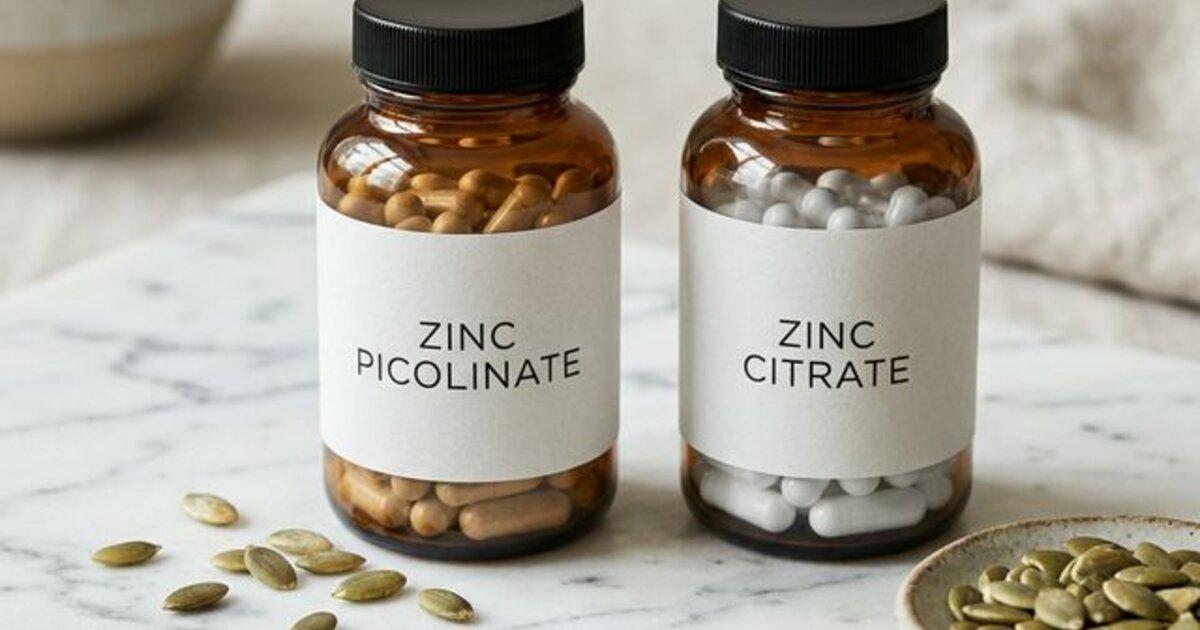
- Zinc picolinate — One of the best-absorbed forms. Picolinic acid is a natural chelator that enhances zinc uptake. A premium choice for daily supplementation.
- Zinc bisglycinate — A chelated form bound to glycine. Well absorbed and gentle on the stomach, similar to picolinate in bioavailability.
- Zinc citrate — Good absorption and widely available. A solid mid-range option.
- Zinc gluconate — Commonly used in lozenges and cold remedies. Decent absorption, affordable.
- Zinc oxide — The cheapest form, but also the least well absorbed. Found in many multivitamins and lower-quality standalone supplements. Not recommended if you can choose a better form.
- Lozenges — Zinc gluconate or zinc acetate lozenges are used specifically for immune support during colds. They work locally in the throat and may reduce cold duration by 1–3 days.
For daily supplementation, zinc picolinate or zinc bisglycinate are the best choices for most people.
What are the side effects and precautions?
Zinc is generally well tolerated at recommended doses. The most common issue is:
- Nausea — especially when taken on an empty stomach. Always take with food.
- Metallic taste — some people notice this with certain forms.
At higher doses or with long-term use:
- Copper depletion — The most significant risk of chronic zinc supplementation above 25–30 mg/day. Zinc competes with copper for absorption. Copper deficiency can cause anemia, immune dysfunction, and neurological problems. If taking zinc long-term, include 1–2 mg of copper.
- Reduced iron absorption — High-dose zinc can interfere with Iron absorption. Space these supplements apart.
Drug interactions:
- Zinc can reduce the absorption of certain antibiotics (tetracyclines, quinolones). Space them at least 2 hours apart.
- Penicillamine (used for Wilson's disease and rheumatoid arthritis) — zinc reduces its effectiveness.
- Thiazide diuretics can increase zinc excretion, potentially requiring higher supplemental intake.
The Bottom Line
Zinc is a foundational mineral that supports immunity, skin health, hormonal balance, and cognitive function. For most people, 15–30 mg per day of a well-absorbed form like zinc picolinate or bisglycinate, taken with food, is all you need. Just remember to watch the zinc-to-copper ratio if you are supplementing long-term.
Because zinc interacts with several other minerals and medications, keeping track of timing is especially important. Supplement Tracker lets you log zinc alongside your other supplements, set reminders that account for spacing, and ensure nothing is interfering with your absorption. A little planning goes a long way with mineral supplementation.