Hydrolyzed collagen peptides (5-15 g daily with vitamin C 500-1,000 mg) improved skin hydration, elasticity, and wrinkle depth in a 2019 meta-analysis of 11 RCTs, with results visible in 4-8 weeks. Vitamin C is required for collagen synthesis and protects against UV damage. Zinc (15-30 mg picolinate or glycinate) is critical for keratinocyte turnover, sebum regulation, and acne improvement. Biotin (2,500-5,000 mcg) only helps with actual deficiency; can interfere with troponin and thyroid blood tests. Omega-3 (1,000-2,000 mg EPA/DHA) maintains skin moisture barrier. Hair takes 3-6 months, nails 3-4 months to show changes.
This content is for informational purposes only and is not a substitute for professional medical advice, diagnosis, or treatment. Always consult your physician or qualified healthcare provider before starting any supplement regimen.
Skin, hair, and nails are often treated as cosmetic concerns, but they're actually reliable indicators of your overall nutritional status. When your body is low on key structural proteins, vitamins, or minerals, these fast-turnover tissues are among the first to show it — through dull skin, thinning hair, or brittle nails.
The good news is that several supplements have solid evidence for improving the health and appearance of these tissues from the inside out. Here are the ones worth taking.
Top Supplements for Skin, Hair & Nails
1. Collagen Peptides
Collagen is the most abundant protein in your body, forming the structural scaffold of skin (where it provides firmness and elasticity), hair follicles, and nail beds. After age 25, collagen production declines by approximately 1% per year — a process accelerated by sun exposure, smoking, and poor diet.
How it works: Hydrolyzed collagen peptides are absorbed as di- and tripeptides that stimulate fibroblasts (the cells that produce collagen) and accumulate in the skin's dermis. A 2019 meta-analysis of 11 RCTs involving over 800 participants found that collagen supplementation significantly improved skin hydration, elasticity, and wrinkle depth compared to placebo. Effects were measurable within 4–8 weeks.
Dose: 5–15 g of hydrolyzed collagen peptides daily. Type I collagen is the most relevant for skin and hair. Marine collagen (from fish) and bovine collagen (from cattle) are both effective.
When to take: Any time of day. Pairing with vitamin C enhances collagen synthesis. Many people add collagen powder to their morning coffee or smoothie.
2. Vitamin C
Vitamin C is essential for collagen synthesis — without it, your body literally cannot produce new collagen. It's also one of the most potent antioxidants protecting skin from UV-induced oxidative damage and photoaging.
How it works: Vitamin C is a required cofactor for prolyl and lysyl hydroxylase, the enzymes that stabilize the collagen triple-helix structure. It also regenerates vitamin E in the skin, scavenges free radicals that break down existing collagen, and inhibits melanin overproduction (reducing hyperpigmentation). Research shows that oral vitamin C supplementation, combined with topical application, produces better skin outcomes than either alone.
Dose: 500–1,000 mg daily. Split into two doses for better absorption — vitamin C has a saturation threshold and excess is excreted.
When to take: With meals. Pairing with collagen peptides maximizes the benefit for skin structure.
3. Zinc
Zinc is critical for cell division, protein synthesis, and immune function — all processes that directly affect skin health, hair growth, and nail integrity. The skin contains approximately 5% of the body's total zinc content, and deficiency manifests clearly as dermatitis, hair loss, and poor wound healing.
How it works: Zinc is required for keratinocyte proliferation (the cells that form the outer layer of skin), sebum regulation, and the inflammatory response in skin. It also protects against UV damage and supports the structural integrity of hair keratin. Studies show zinc supplementation improves acne, accelerates wound healing, and reduces hair shedding in people with low zinc status.
Dose: 15–30 mg of elemental zinc daily. Zinc picolinate and zinc glycinate offer superior absorption compared to zinc oxide. Avoid chronic intake above 40 mg daily to prevent copper depletion.
When to take: With food to prevent nausea.
4. Biotin (Vitamin B7)
Biotin is the most marketed "hair supplement," though the evidence is more specific than advertising suggests. Biotin is genuinely important for keratin production (the protein that forms hair and nails), but supplementation only produces noticeable results when there is an actual deficiency or increased demand.
How it works: Biotin is a cofactor for carboxylase enzymes involved in amino acid metabolism and keratin synthesis. True biotin deficiency causes hair loss, brittle nails, and skin rash. While frank deficiency is rare, sub-optimal levels are more common than previously thought — particularly in pregnant women, people on anticonvulsants, and those with high raw egg consumption (avidin in raw egg whites binds biotin).
Dose: 2,500–5,000 mcg daily. This is well above the daily value but is the range used in clinical studies showing benefit for hair thickness and nail strength.
When to take: With food. Note that high-dose biotin can interfere with certain lab tests (troponin, thyroid panels) — inform your doctor if you're supplementing and getting bloodwork.
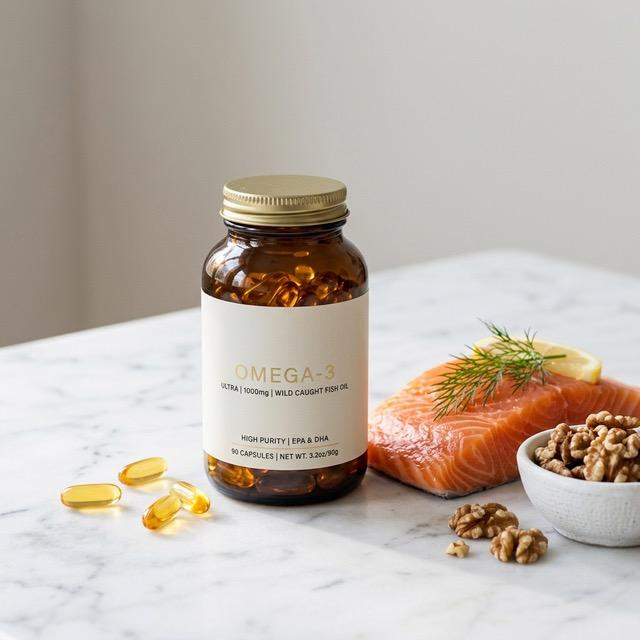
5. Omega-3 Fatty Acids
Omega-3s support skin health through anti-inflammatory effects and by maintaining the lipid barrier that keeps skin hydrated and protected. Dry, flaky skin is one of the earliest signs of essential fatty acid deficiency.
How it works: DHA and EPA are incorporated into cell membranes throughout the skin, maintaining fluidity and moisture retention. Omega-3s also reduce the inflammatory mediators that drive conditions like acne, eczema, and psoriasis. A 2020 systematic review found that omega-3 supplementation improved skin hydration and reduced sensitivity to UV-induced sunburn. Read our detailed omega-3 dosage guide.
Dose: 1,000–2,000 mg of combined EPA/DHA daily. Balanced EPA:DHA ratios work well for skin.
When to take: With a fat-containing meal for optimal absorption.
How to Build Your Stack
For comprehensive skin, hair, and nail support:
- Collagen (10–15 g) + Vitamin C (500 mg) — the structural foundation
- Zinc (15–30 mg with food) — cell turnover and repair
- Omega-3 (1,000+ mg EPA/DHA) — moisture and anti-inflammation
Add biotin only if you have specific concerns about hair thinning or nail brittleness, or if you suspect sub-optimal intake.
Set realistic timelines. Skin improvements typically become visible within 4–8 weeks. Hair growth cycles are slower — expect 3–6 months before seeing changes in thickness or shedding. Nails grow about 3 mm per month, so nail improvements take 3–4 months to become fully apparent.
What to Avoid
"Beauty gummies" with pixie-dust dosing: Many beauty supplements combine small amounts of 15+ ingredients, none at therapeutic doses. A gummy with 100 mg of collagen and 10 mg of vitamin C is nutritionally meaningless. Check doses against the research-backed amounts listed above.
Biotin mega-doses without reason: Taking 10,000 mcg of biotin "just in case" provides no additional benefit over 2,500 mcg and increases the risk of lab test interference. More is not better.
Silica and hyaluronic acid supplements: Oral silica supplements have minimal evidence for skin or hair benefits. Oral hyaluronic acid has some emerging data for skin hydration, but the evidence is still early-stage and inconsistent.
Neglecting the basics: No supplement can compensate for chronic dehydration, excessive sugar intake, or sun damage without protection. These external factors have a larger impact on skin appearance than any supplement stack.
Start Tracking Your Stack
Beauty supplements require patience and consistency — which makes tracking especially important. Log your daily intake and take progress photos monthly. Without tracking, it's easy to abandon a working protocol because the day-to-day changes are too subtle to notice. A supplement tracker helps you stay consistent long enough to see real results.