Nausea is a recognized side effect of zinc supplements. Check the actual zinc amount and every product that contains it before taking another dose. Food may improve tolerance when the label allows it, but it does not make an excessive dose safe. The US adult upper limit is 40 mg a day from all sources, not a suggested supplement dose or a sharp poisoning threshold. Seek individual advice for repeated symptoms, and contact a poison service promptly after an overdose or a child's accidental ingestion.
You take a zinc tablet with your morning routine and then feel sick. Before buying a different form or adding another supplement to “balance” it, look at what you actually took: how much zinc, how many tablets, and what else was in the same routine.
If the discomfort feels like burning rather than nausea, use the vitamin-and-heartburn product checklist to describe it precisely.
Nausea, stomach upset, and vomiting are recognized adverse effects. They are not evidence that zinc is working, that you were deficient, or that you should push through until your body adjusts.
Can zinc cause nausea at an ordinary dose?
Yes, a supplement can be poorly tolerated without an obvious overdose. The National Capital Poison Center lists digestive side effects and notes that taking zinc with food can reduce them. That is a possible adjustment to discuss when a product is appropriate for you, not a reason to keep repeating a dose that makes you ill.
A reaction after a tablet also does not prove zinc was the cause. A combined product may contain other ingredients, and nausea has many causes. Record the sequence instead of treating the timing as a diagnosis.
For a non-prescribed supplement, pause and ask a pharmacist or clinician before trying it again if the nausea is significant or keeps happening. For prescribed zinc treatment, contact the prescriber about the symptoms and how to handle the next dose.
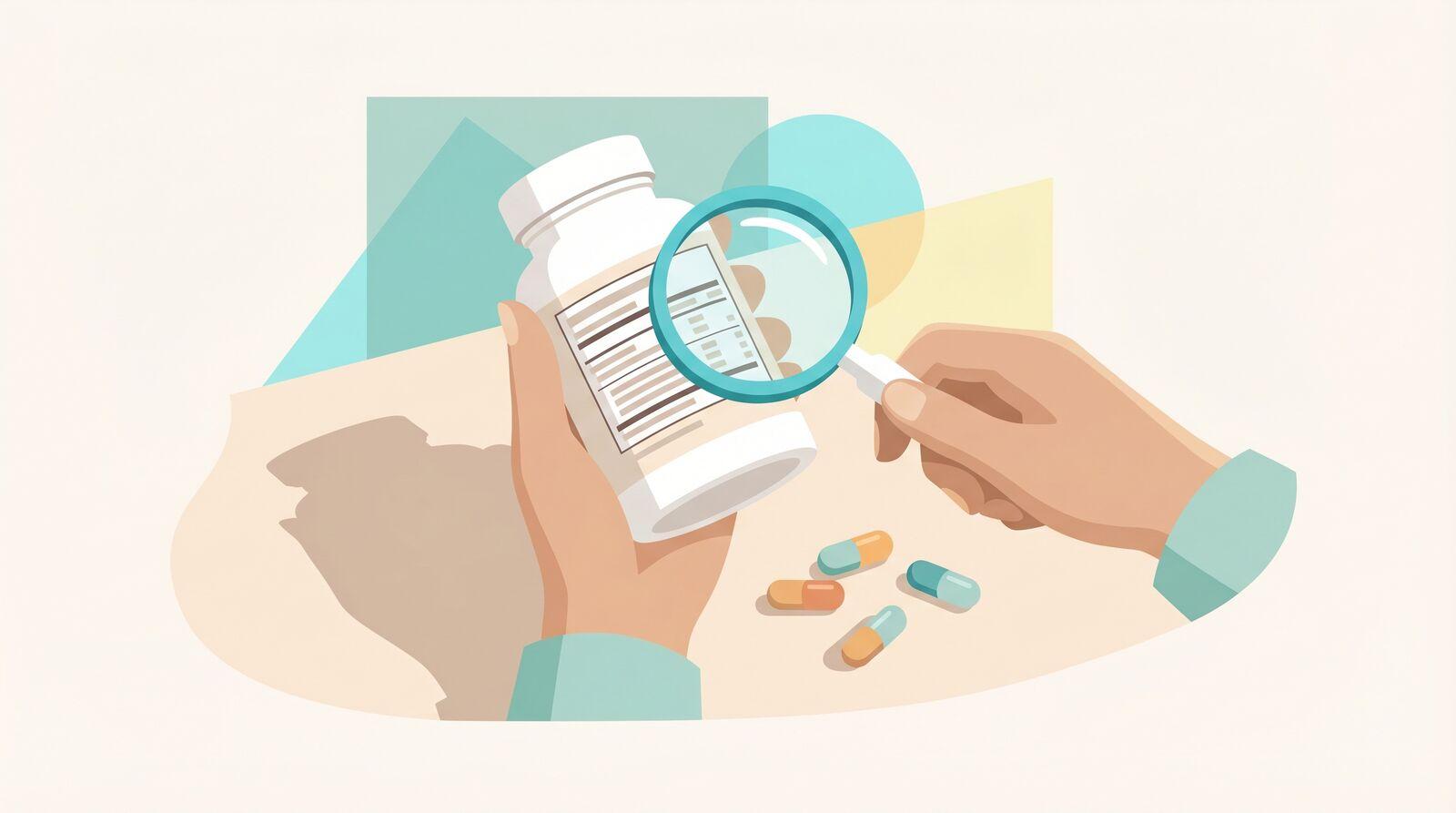
Read elemental zinc and serving size
On a US Supplement Facts label, the zinc amount refers to elemental zinc, not the total weight of the zinc compound. The NIH Office of Dietary Supplements explains this distinction. A label might say “Zinc 15 mg (as zinc gluconate).” The amount to add to your daily total is 15 mg.
Check whether that amount is per tablet or per serving. Two tablets may make one serving. Conversely, swallowing two tablets when the label gives the amount per tablet doubles the listed zinc intake.
Here is an illustrative label audit, not a dosing recommendation:
| Product used that day | Zinc from the product |
|---|---|
| Multivitamin | 10 mg |
| Separate zinc tablet | 25 mg |
| Two lozenges, 5 mg each | 10 mg |
| Total from these products | 45 mg |
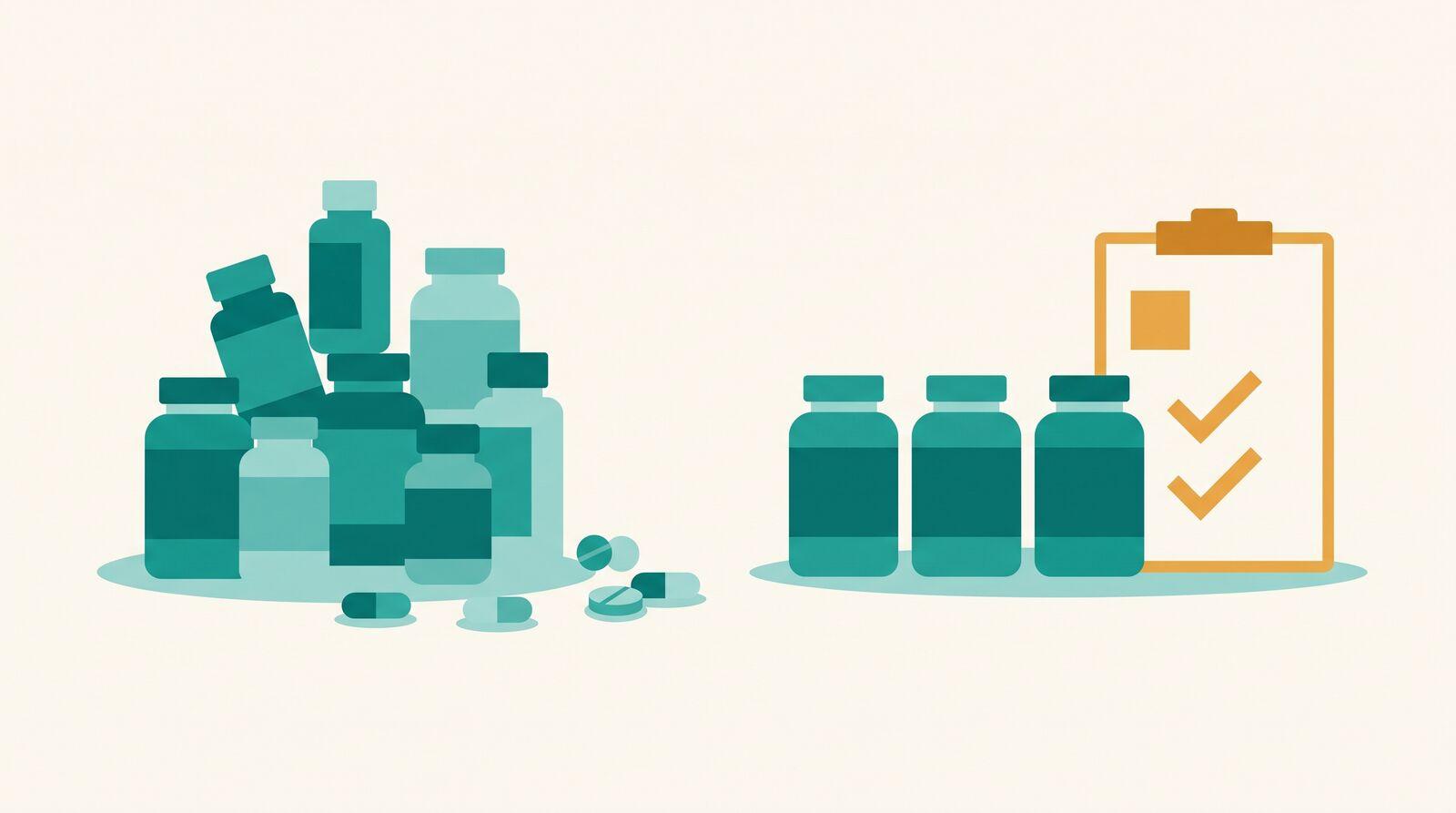
Food would add to that total. No single bottle in this example says “45 mg,” which is why checking only the newest tablet can miss the overlap.
Our supplement-label guide explains how to compare serving sizes. Photographing the labels can make a pharmacist's review easier, especially when several products use similar names.
The upper limit is not a target
The NIH lists a US tolerable upper intake level of 40 mg a day for adults, counting food and supplements together. Limits are lower for children and adolescents. This is a population guideline for usual intake, not an instruction to take a 40 mg supplement every day.
It is also not a sharp boundary between “no symptoms” and “poisoning.” Someone can feel nauseated below it; an intake above it needs context, including the amount, duration, age, and reason for use. Medical treatment can involve different amounts under supervision.
The same NIH fact sheet warns that taking 50 mg or more daily for weeks can interfere with copper absorption. Do not respond by adding copper on your own. Review whether the zinc dose is appropriate first. Adding a second bottle does not resolve the reason the first one was excessive.
Food can help tolerance, but follow the product instructions
If you have been advised to continue zinc and the label permits it, taking it with a meal may be easier on your stomach. Keep the change simple enough to understand: taking the same appropriate product with food is different from changing the form, dose, timing, and three other supplements at once.
Do not take an extra tablet because a meal might change absorption. Tolerance and dose are separate decisions. Our guide to supplements with food or on an empty stomach discusses why there is no universal fasting rule for a whole supplement stack.
Medication timing can matter as well. Zinc interacts with some antibiotics and penicillamine. Ask a pharmacist about the specific medicine and product; a generic “keep everything two hours apart” rule can be wrong for the treatment you use.
How long does zinc nausea last?
There is no reliable countdown that applies to everyone. The product, amount, other ingredients, and the actual cause of nausea matter. Do not use an online estimate such as “it will pass in 30 minutes” as a reason to ignore worsening symptoms.
If you vomit after taking a supplement, do not automatically repeat the dose. You cannot tell from the timing exactly how much was absorbed. Ask for product-specific advice, especially when the zinc was prescribed.
Repeated vomiting, severe abdominal pain, or an inability to keep fluids down warrants medical advice. A suspected overdose or a child's accidental ingestion needs prompt poison-service guidance, even if symptoms have not appeared. Keep the container and approximate amount available. The Poison Center resource above provides the US contact route; elsewhere, use your local poison service. Breathing difficulty or sudden lip or tongue swelling needs emergency help.
Check whether you need a separate zinc product
The next question after “how can I tolerate it?” is “why am I taking it?” A clinician-directed treatment, a multivitamin, and repeated cold lozenges are different situations. The intended duration matters as much as the name of the mineral.
Write down the reason you started, who recommended it, and when you planned to review it. If the answer is only that zinc appeared in a social-media stack, that is a good reason to ask whether a standalone supplement adds anything useful for you.
Our stack-audit guide can help identify overlapping products. A longer list is not automatically a more complete nutrition plan.
Keep a record that helps a decision
A brief note is more useful than repeatedly experimenting while feeling sick:
- Product name, ingredient list, and elemental zinc per serving.
- Number of tablets or lozenges and the time taken.
- Other zinc-containing products used that day.
- Whether you had food, following the label's instructions.
- What the symptoms were, when they began, and whether they recurred.
Supplements Tracker can help record what you took and when. The record supports a conversation with a pharmacist or clinician; it cannot establish the cause of nausea or decide a safe dose for you.
Start with the label and the reason for taking the product. If zinc repeatedly makes you nauseated, the useful outcome is an appropriate change to the plan, not learning to endure the side effect.
This article is educational and does not replace individual medical advice. Ask a clinician or pharmacist about supplement side effects, interactions, or prescribed zinc treatment.