Yes, you can take omega-3 (fish oil) and vitamin D together, and a meal with some fat suits both. Fat helps vitamin D absorption: in a study of 50 older adults, peak blood vitamin D3 was 32% higher after a breakfast containing fat than after a fat-free one, and the mix of fats did not matter. The VITAL trial assigned 25,871 US adults to 2,000 IU of vitamin D3, 1 g of omega-3, both, or placebos, with a median follow-up of 5.3 years: no excess bleeding, high blood calcium or other serious side effects, but neither supplement lowered cancer or major cardiovascular events. Cod liver oil already supplies vitamin D and vitamin A, so count its vitamin D toward the 4,000 IU adult upper limit. On a blood thinner, ask your doctor before starting fish oil.
This content is for informational purposes only and is not a substitute for professional medical advice, diagnosis, or treatment. Always consult your physician or qualified healthcare provider before starting any supplement regimen.
Your fish oil has lived next to the coffee maker for years. Then a blood test comes back low on vitamin D, your doctor suggests a daily supplement, and a second bottle joins the first. Can you take fish oil and vitamin D together, or do they need a gap between them, like iron and calcium?
Yes. Take them together, with a meal that has some fat in it. Fat helps your body absorb vitamin D, and fish oil is normally taken with food anyway, so one meal serves both. VITAL, a trial that assigned 25,871 adults to vitamin D, omega-3, both or neither, found no excess of serious side effects from either supplement over a median of 5.3 years. It also found no drop in cancer or major cardiovascular events with either one. The case for the pair is convenience, not prevention.
Why They Pair Well
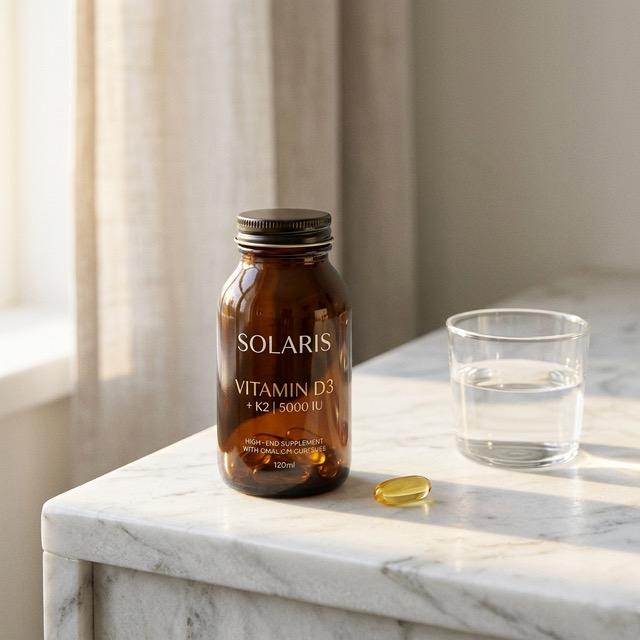
Vitamin D is fat-soluble. The vitamin D fact sheet from the NIH Office of Dietary Supplements (ODS) notes that fat in the gut enhances its absorption, although some vitamin D is absorbed without it.
A 2015 study in the Journal of the Academy of Nutrition and Dietetics put a number on that. Fifty older adults took a single 50,000 IU dose of vitamin D3 with breakfast. Peak vitamin D3 in the blood was 32 percent higher after a breakfast containing fat than after a fat-free one. The kind of fat did not matter: meals with different ratios of monounsaturated to polyunsaturated fat worked about equally well. That was one large dose, and it measured absorption, not vitamin D levels after months of daily capsules. Still, it agrees with ODS.
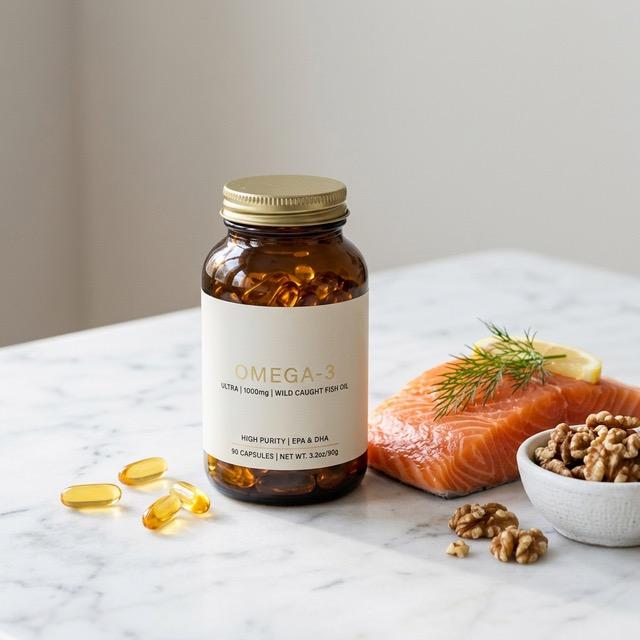
Omega-3s are fats themselves, and our omega-3 guide suggests taking fish oil with a meal that contains fat. So the meal that helps your vitamin D is the one your fish oil already goes with. Does the fish oil count as the fat? A softgel carries a little, but the study tested meals, not capsules. Taking both with food settles the question.
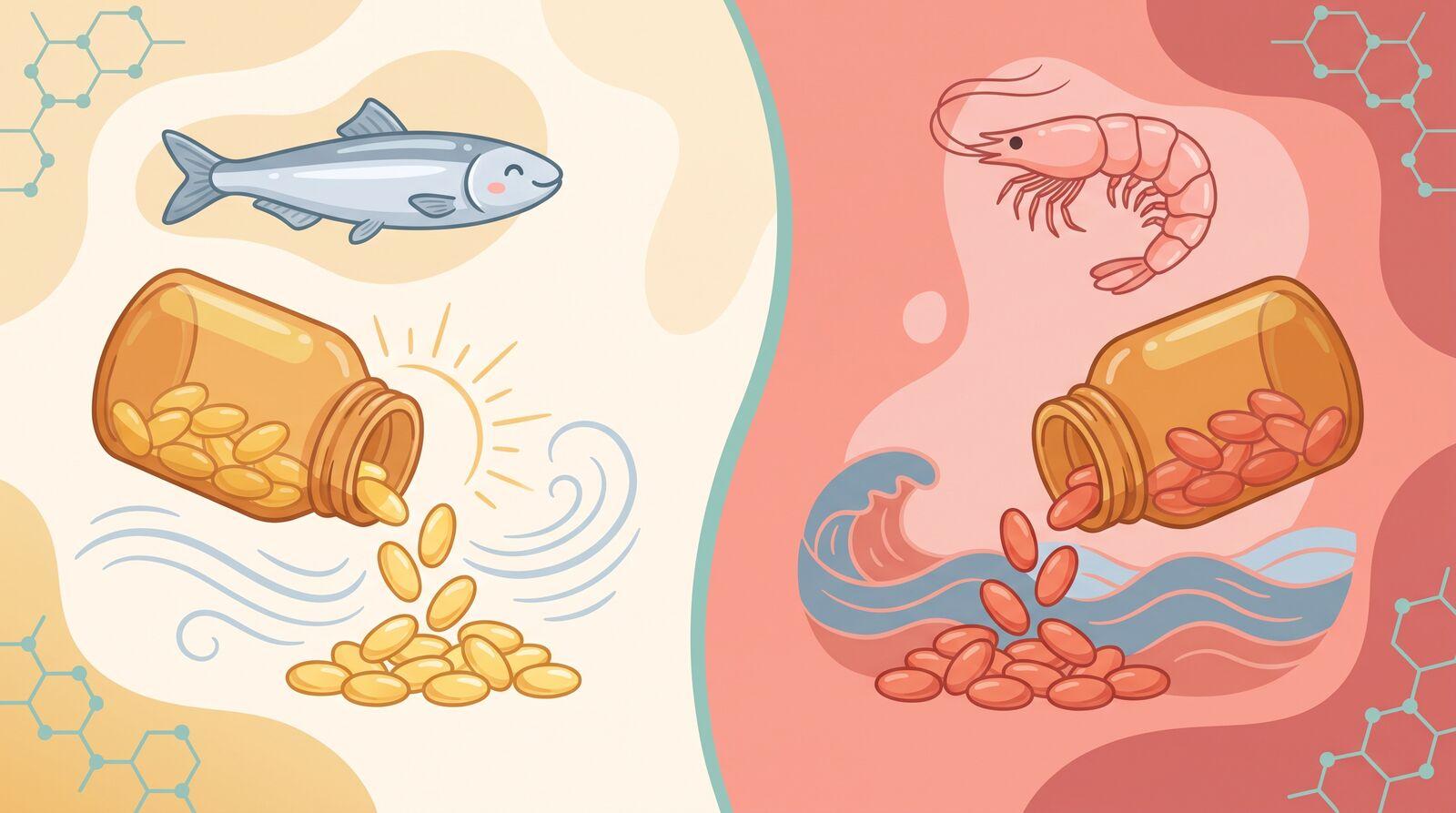
Cod liver oil changes the arithmetic. The ODS omega-3 fact sheet notes that cod liver oil supplements provide vitamin A and vitamin D in addition to omega-3s. If that is your omega-3, you already take some vitamin D, and a separate capsule adds to it.
What the Research Says
The largest trial we know of that gave both is VITAL, published in 2019 as two papers in the New England Journal of Medicine. It enrolled 25,871 US adults, men from age 50 and women from 55, in a randomized, placebo-controlled trial with a 2x2 factorial design. Everyone was randomized twice: to 2,000 IU of vitamin D3 a day or a placebo, and to 1 g of marine omega-3 fatty acids a day or a placebo. One of the four resulting groups got both. Median follow-up was 5.3 years.
Results are reported as hazard ratios: 1 means no difference from placebo, and lower numbers mean fewer events. Neither supplement lowered the trial's two primary endpoints, invasive cancer and major cardiovascular events. In the vitamin D paper, the ratios were 0.96 for cancer and 0.97 for cardiovascular events. In the omega-3 paper, they were 1.03 for cancer and 0.92 for cardiovascular events, a difference that was not statistically significant.
One omega-3 number looks better. For total myocardial infarction, meaning heart attacks overall, the omega-3 group's hazard ratio was 0.72 (95% confidence interval 0.59 to 0.90): a rate about 28 percent lower than placebo. It was a secondary endpoint, though. When a trial tracks many outcomes, some will look good by chance, so a secondary result is a lead to test, not a verdict.
The safety data matter most for this question. With vitamin D there was no excess risk of hypercalcemia (high blood calcium) or other adverse events; with omega-3, no excess risk of bleeding or other serious adverse events.
The honest reading: at these doses, over about five years, neither supplement showed excess serious side effects in adults over 50, and one of the trial's four groups took both. That makes the pair a reasonable routine, not a proven way to prevent cancer or heart disease.
Practical Recommendations
- Take both with your largest meal, or any meal with some fat. The evidence here is about fat, not the clock, and the biggest meal of the day is the likeliest to include some. For morning versus evening, see our guide to the best time to take vitamin D.
- If you use cod liver oil, read its label before adding more vitamin D. Note how much vitamin D and vitamin A it provides, and add those amounts to any separate vitamin D capsule or multivitamin. Keep the vitamin D total within the upper limit below. The same goes for any omega-3 product that lists vitamin D on its label.
- If you take a blood thinner, ask your doctor before starting fish oil. VITAL's bleeding result is an average across 25,871 adults, not a verdict on your medication and dose. Our page on fish oil and blood thinners goes into more detail.
Dosage Considerations
Vitamin D: the ODS fact sheet lists the upper limit for adults as 4,000 IU (100 mcg) a day. VITAL's 2,000 IU, half that limit, was well tolerated over a median of 5.3 years. Count every source toward the limit: your capsule, a multivitamin, and cod liver oil if you take it. The 50,000 IU in the absorption study was a single research dose, not a daily amount to copy.
Omega-3: VITAL's 1 g of marine omega-3 fatty acids a day was well tolerated over the same period, with no excess bleeding. How much you should take depends on the EPA and DHA a product actually delivers and on why you take it. Our omega-3 dosage guide explains how to read those amounts on a label. If you are still choosing an oil, our krill oil vs fish oil comparison looks at what each costs per milligram of EPA and DHA.
Key Takeaway
Omega-3 and vitamin D belong at the same meal: fat helps the vitamin D, and fish oil goes with food anyway. In VITAL, neither raised serious side effects over about five years, and neither lowered the risk of cancer or major cardiovascular events. If your omega-3 is cod liver oil, count its vitamin D before you add a separate capsule.
Track Your Timing
Supplement Tracker groups your supplements by time of day. Put fish oil and vitamin D in the same slot, set that slot's reminder to your dinner time, and one reminder covers both. If your omega-3 is cod liver oil, log it under its own name rather than as generic fish oil, so the vitamin D it carries stays visible on your list.