Curcumin (the active compound in turmeric) is a potent anti-inflammatory that inhibits NF-kB and COX-2 pathways. 500–1,500 mg of curcuminoids per day with a fat-containing meal is effective; but plain extract is poorly absorbed without piperine (black pepper extract boosts absorption up to 2,000%). Enhanced formulations like Meriva (phytosome), Longvida, or BCM-95 work at lower doses (90–800 mg). Has mild blood-thinning effects: stop 2 weeks before surgery and consult a doctor if on warfarin. May reduce iron absorption.
This content is for informational purposes only and is not a substitute for professional medical advice, diagnosis, or treatment. Always consult your physician or qualified healthcare provider before starting any supplement regimen.
Quick Reference
- Typical Dosage
- 500–1,500 mg curcuminoids daily
- Best Time to Take
- With a fat-containing meal
- Available Forms
- Capsules, Softgels, Powder, Liquid, Gummies
- Also Known As
- Curcumin, Turmeric Extract, Curcuminoids
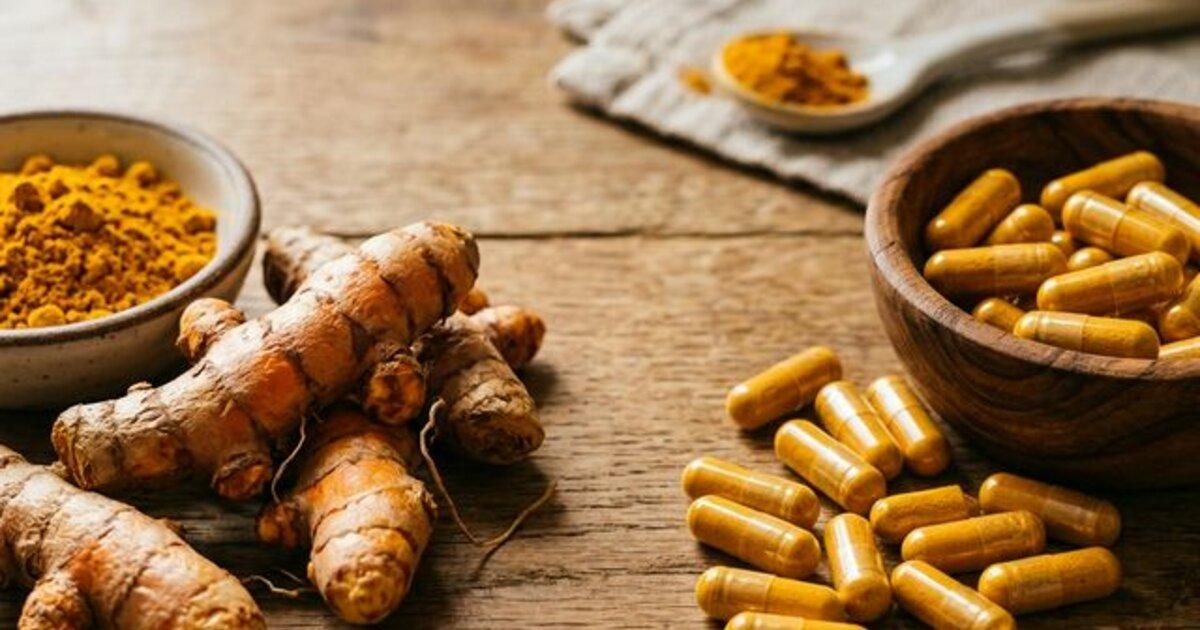
Turmeric is a golden-yellow spice that has been used in traditional Indian and Chinese medicine for thousands of years. But the real story is not the spice itself — it is curcumin, the primary bioactive compound in turmeric, which is responsible for the vast majority of its therapeutic effects. Curcumin is one of the most extensively studied natural compounds in modern science, with over 15,000 published papers examining its properties.
Here is the catch: turmeric root contains only 2–5% curcumin by weight, and curcumin on its own is very poorly absorbed by the body. Sprinkling turmeric on your food, while delicious, delivers nowhere near enough curcumin to match the doses used in clinical studies. This is where targeted supplementation — with the right formulation — becomes essential.
When taken correctly, curcumin supplements offer meaningful anti-inflammatory and antioxidant benefits that can impact joint health, brain function, cardiovascular health, and more.
What are the key benefits?
-
Powerful anti-inflammatory effects. Curcumin inhibits NF-kB, a molecule that activates inflammatory genes in the nucleus of your cells. It also suppresses COX-2 and lipoxygenase enzymes — the same pathways targeted by NSAIDs like ibuprofen. Multiple clinical trials have shown that curcumin can reduce inflammatory markers (CRP, IL-6) and improve symptoms of inflammatory conditions.
-
Joint health and pain relief. Several randomized controlled trials have found that curcumin is effective for reducing pain and improving function in osteoarthritis, with some studies showing comparable efficacy to ibuprofen but with fewer GI side effects. It pairs well with Omega-3 fatty acids for a comprehensive anti-inflammatory approach.
-
Antioxidant activity. Curcumin neutralizes free radicals directly and also boosts the body's own antioxidant enzymes (superoxide dismutase, catalase, glutathione peroxidase). This dual mechanism provides robust cellular protection against oxidative stress.
-
Brain health. Curcumin crosses the blood-brain barrier and has shown potential for supporting cognitive function through its anti-inflammatory and antioxidant effects. It increases brain-derived neurotrophic factor (BDNF), a growth hormone that promotes the survival and growth of neurons. Low BDNF levels are linked to depression and neurodegenerative diseases.
-
Cardiovascular support. Curcumin improves endothelial function (the health of the blood vessel lining), reduces oxidative stress, and modulates inflammatory pathways — all relevant to heart health. Some studies suggest it can improve arterial compliance and reduce cardiovascular risk factors.
What is the recommended dose?
The effective dose depends on the formulation, because bioavailability varies enormously between products.
For standard curcumin extract (95% curcuminoids):
- 500–1,500 mg of curcuminoids per day, divided into 2–3 doses
- Must be taken with piperine (black pepper extract) to enhance absorption by up to 2,000%
- Must be taken with fat to further improve absorption
For enhanced bioavailability formulations:
- Meriva (Curcumin Phytosome): 400–800 mg/day — curcumin bound to phosphatidylcholine for 29x better absorption
- Longvida: 400–500 mg/day — optimized for brain bioavailability
- Theracurmin: 90–180 mg/day — highly bioavailable nanoparticle formulation
- BCM-95 (BioCurcumax): 500–1,000 mg/day — combined with turmeric essential oils
These branded formulations are more expensive per pill but require lower doses. They are worth the investment if bioavailability is important to you (and it is).
When is the best time to take it?
Take curcumin with a fat-containing meal. Curcumin is fat-soluble, and taking it with dietary fat dramatically improves absorption. A meal with eggs, avocado, olive oil, or nuts is ideal.
There is no strong evidence favoring morning or evening dosing. If you are taking curcumin for joint pain or inflammation, splitting the dose (e.g., 500 mg with breakfast and 500 mg with dinner) provides more consistent blood levels throughout the day.
Always pair with piperine (black pepper extract) if using a standard curcumin extract. Most quality supplements include 5–10 mg of BioPerine (a standardized piperine extract) per capsule. Without piperine, the vast majority of curcumin passes through your GI tract unabsorbed.
What forms are available?
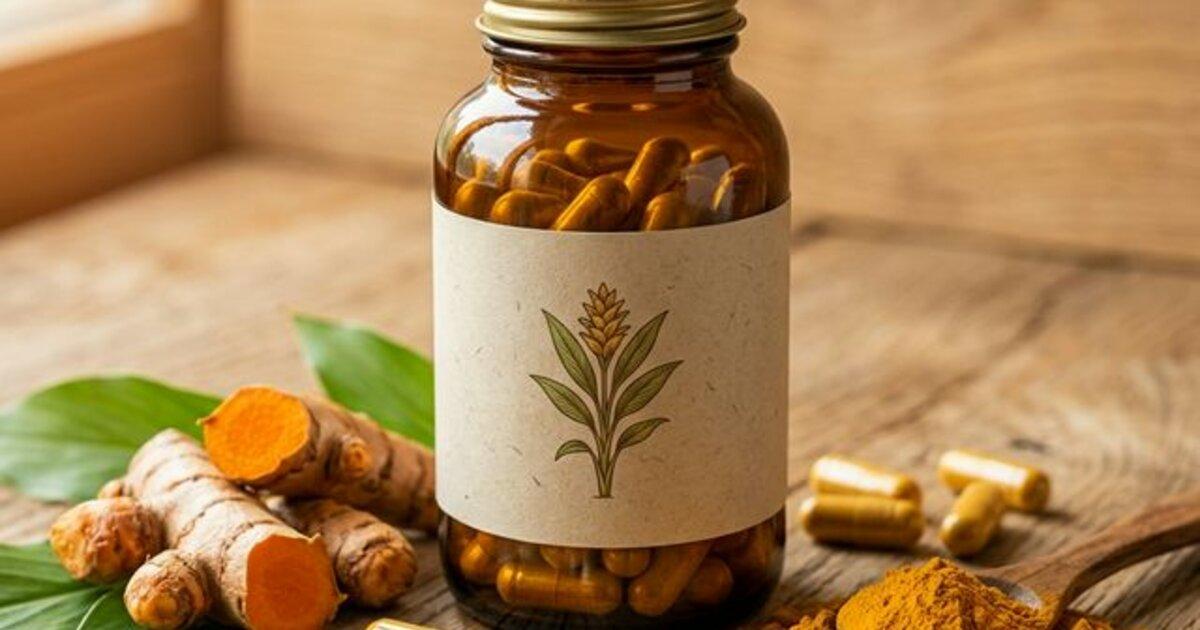
- Capsules — The most common format. Look for products that include piperine or use enhanced-absorption technology.
- Softgels — Oil-based formulations that provide built-in fat for absorption. Often used in phytosome (Meriva) products.
- Powder — Raw turmeric or curcumin powder that can be added to food, smoothies, or golden milk. Flexible dosing but absorption challenges remain unless paired with fat and black pepper.
- Liquid — Liposomal curcumin or nano-curcumin products. May offer good absorption but vary in quality.
- Gummies — Available but often contain low curcumin doses. Check the actual curcuminoid content, not just "turmeric" content.
What to look for on the label:
- Curcuminoid content — Expressed as a percentage or in milligrams. You want 95% curcuminoids or a specified curcuminoid dose.
- Piperine/BioPerine — Essential for standard extracts.
- Enhanced formulation name — Meriva, Longvida, BCM-95, Theracurmin, or CurcuWIN indicate advanced bioavailability technology.
What are the side effects and precautions?
Curcumin is generally well tolerated at recommended doses. However, there are some important considerations:
Common side effects:
- Mild digestive upset (nausea, diarrhea, bloating), especially at higher doses
- Yellow staining of skin or clothing (from the pigment)
Who should be cautious:
- People on blood thinners. Curcumin has mild anticoagulant and antiplatelet properties. If you take warfarin, aspirin, or clopidogrel, consult your doctor before supplementing. It may increase bleeding risk.
- Gallbladder issues. Curcumin stimulates bile production, which can worsen symptoms in people with gallstones or bile duct obstruction.
- Surgery. Discontinue curcumin 2 weeks before scheduled surgery due to its blood-thinning effects.
- Iron absorption. High-dose curcumin may inhibit iron absorption. If you are managing iron deficiency, space curcumin away from your Iron supplement.
- Kidney stones. Turmeric (but not necessarily curcumin extract) contains oxalate, which may increase kidney stone risk in susceptible individuals.
- Pregnancy. While culinary amounts of turmeric are safe, high-dose curcumin supplements are not well-studied in pregnancy and are generally not recommended.
Drug interactions: Besides blood thinners, curcumin may interact with diabetes medications (by lowering blood sugar) and chemotherapy drugs (consult your oncologist).
The Bottom Line
Curcumin is one of nature's most potent anti-inflammatory compounds, with well-documented benefits for joints, brain health, cardiovascular function, and overall cellular protection. The key challenge is bioavailability — choose a formulation that addresses this (piperine + fat, or an enhanced product like Meriva or Longvida), and you will get far more from every capsule.
Taken consistently with meals, curcumin is a powerful addition to an anti-inflammatory lifestyle. Supplement Tracker helps you log your curcumin alongside complementary supplements like Omega-3, track your dosing consistency, and note improvements in joint comfort and overall well-being over time. With something this beneficial, showing up every day is what makes the difference.