Most heart health supplements do not meaningfully change the numbers that predict cardiovascular risk, but a short list does. Soluble fiber such as psyllium lowers LDL cholesterol by roughly 5 to 10 percent, plant sterols add a similar reduction, and both are cheap and well tolerated. High-dose omega-3s reliably lower triglycerides by 20 to 30 percent, although standard 1-gram fish oil capsules have repeatedly failed to prevent heart attacks in large trials. CoQ10 has a legitimate niche for people on statins and showed promise in one heart failure trial, but it is an adjunct, not a treatment. Magnesium nudges blood pressure down by a couple of points, mostly in people who were low to begin with. Red yeast rice works because it contains an unregulated statin dose, which is exactly why it is the wrong way to manage cholesterol. Vitamin E, beta-carotene, calcium supplements, and multivitamins have all failed cardiovascular outcome trials. No supplement replaces exercise, diet, not smoking, moderating alcohol, or prescribed medication; the honest play is to fix those first, add one or two evidence-backed supplements if your numbers justify them, and retest after 8 to 12 weeks.
Heart health is the biggest promise in the supplement aisle. Fish oil for your arteries, CoQ10 for your heart muscle, garlic for your blood pressure, red yeast rice for your cholesterol. The category sells billions of dollars a year on the strength of a single, powerful idea: that a capsule can protect the organ you are most afraid of losing.
The uncomfortable truth is that most of these products have been tested in large trials, and most of them failed. Not "more research needed" failed. Tens of thousands of participants, years of follow-up, no reduction in heart attacks or strokes.
But not everything failed. A handful of supplements move real, measurable numbers: LDL cholesterol, triglycerides, blood pressure. Those numbers are worth moving, because they are the same ones your doctor treats with medication. Here is what actually earns a place in a heart-focused routine, what does not, and how to tell the difference in your own bloodwork.
Start With Numbers, Not Bottles
Heart health is unusually measurable. Before adding any supplement, you should know three things: your LDL cholesterol, your triglycerides, and your blood pressure. These are the levers that decades of research connect to heart attacks and strokes, and every supplement worth taking works through at least one of them.
This matters for a second reason. If your LDL or blood pressure is high enough, the evidence-based answer is medication, not a supplement. Statins and blood pressure drugs have prevented events in enormous outcome trials. No supplement on this list comes close to that standard, and using one to delay treatment your doctor recommends is the most expensive mistake in this category.
With that frame in place, the supplements below are ranked by how convincingly they move the numbers.
Before you commit to one app, it's worth reading our honest comparison of supplement tracker apps.
Soluble Fiber: The Most Underrated Heart Supplement
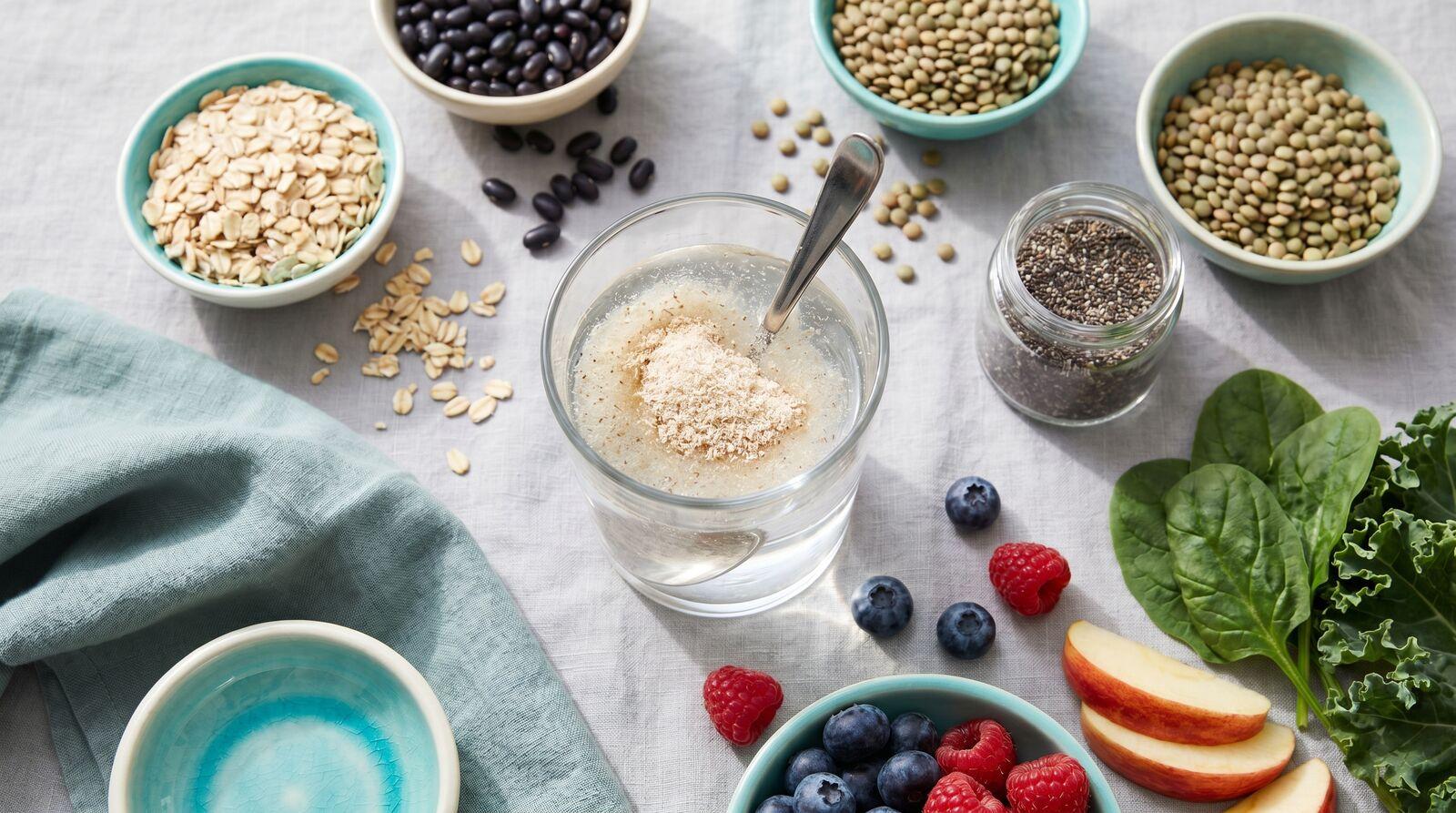
The least glamorous product in the pharmacy has some of the best cholesterol data. Psyllium husk at about 10 grams per day lowers LDL cholesterol by roughly 5 to 10 percent, an effect confirmed across dozens of randomized trials. It works mechanically: soluble fiber binds bile acids in the gut, forcing the liver to pull cholesterol from the blood to make more.
Psyllium is cheap, it stacks with statins (trials show it adds a further LDL reduction on top of medication), and it helps two other numbers heart patients care about: modest improvements in blood sugar and blood pressure. The trade-offs are bloating if you ramp up too fast and the need to take it consistently, away from medications, with plenty of water.
If you get little fiber from food, this is the first product worth considering. Our guide to fiber supplements covers dosing, timing, and who genuinely benefits.
Plant Sterols and Stanols: Boring but Effective
Plant sterols are cholesterol look-alikes from plants that block cholesterol absorption in the intestine. At around 2 grams per day, they lower LDL by about 8 to 10 percent, one of the largest supplement effects on record for that number.
Two honest caveats. First, no outcome trial has tested whether sterols prevent heart attacks; the case rests on LDL being a validated target. Second, the dose matters: the effect appears near 2 grams daily, taken with meals, which usually means a dedicated supplement or fortified food rather than a sprinkle of something green.
Sterols plus psyllium is a reasonable, low-risk stack for someone with borderline LDL who is also fixing their diet. It is not a substitute for a statin when one is indicated.
Omega-3s: Great for Triglycerides, Oversold for Everything Else
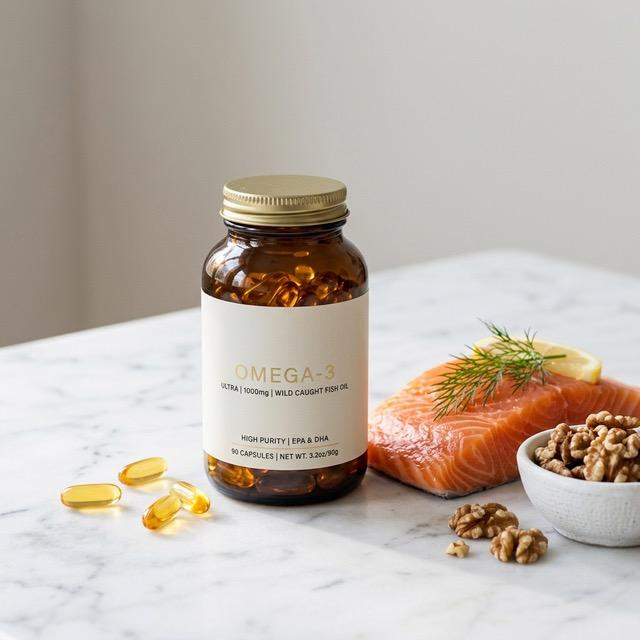
Fish oil is the best-selling heart supplement in the world, and the evidence is more specific than the marketing. What omega-3s clearly do is lower triglycerides by 20 to 30 percent at doses of 2 to 4 grams of combined EPA and DHA per day. If your triglycerides are elevated, that is a real, repeatable effect you can see in bloodwork.
What standard fish oil has not done is prevent heart attacks in people taking typical 1-gram doses. The large VITAL trial found no significant reduction in major cardiovascular events in the general population. One high-dose purified EPA drug reduced events by about 25 percent in high-risk patients already on statins, but a rival trial using a different high-dose EPA and DHA formulation found no benefit, and both showed a small increase in atrial fibrillation risk at high doses.
The practical read: take omega-3s for documented high triglycerides or because you rarely eat fish, at a dose matched to that goal, and skip the assumption that a daily softgel is quietly preventing heart attacks. Our omega-3 dosage guide breaks down EPA and DHA targets by goal.
CoQ10: A Real Niche, Not a Cure
CoQ10 sits in a strange spot: too dismissed by skeptics, too hyped by fans. The strongest signals are narrow. In one randomized trial in chronic heart failure, 300 mg of CoQ10 daily for two years reduced major adverse cardiac events, a result that was promising but has not been replicated at scale. For people on statins, which lower the body's own CoQ10 production, supplementation is a reasonable, low-risk experiment for muscle symptoms, although meta-analyses disagree on how much it helps.
What CoQ10 does not do is lower cholesterol or blood pressure to a meaningful degree in healthy people. If you are not on a statin and do not have a cardiologist-managed condition, it is hard to justify. If you are, our guide to CoQ10 and statins covers the ubiquinol question, dosing, and what to expect.
Blood Pressure Helpers: Magnesium, Potassium, and Garlic
Three supplements have credible but modest blood pressure evidence.
Magnesium lowers systolic blood pressure by an average of about 2 mmHg in meta-analyses, with larger effects in people who were deficient. That is not a treatment for hypertension; it is a small nudge, most relevant if your dietary intake is low. Glycinate and citrate are the practical forms, as we cover in our magnesium comparison.
Potassium has strong evidence, but mostly as diet: fruit, vegetables, beans, and potassium-based salt substitutes. Supplement capsules are capped at token doses in most countries for safety reasons. Do not chase high-dose potassium without medical supervision, especially with kidney disease or blood pressure medications that retain potassium.
Aged garlic extract is the surprise on the list: small randomized trials in people with elevated blood pressure report reductions of roughly 5 to 8 mmHg systolic. The studies are small and mostly from one research group, so confidence is limited, but the safety profile is good aside from odor and a mild blood-thinning effect.
Red Yeast Rice: An Unregulated Statin in Disguise
Red yeast rice lowers cholesterol, sometimes impressively. It does so because the fermentation produces monacolin K, which is chemically identical to the prescription statin lovastatin. That single fact explains both the benefit and the problem.
You are taking a statin with none of a statin's quality control. Analyses of commercial products have found the active dose varies enormously between brands, from nearly zero to prescription-level amounts, and some products contain citrinin, a kidney-toxic contaminant. You also get statin side effect potential without the monitoring a prescription would include.
If your cholesterol is high enough that red yeast rice tempts you, it is high enough to discuss a properly dosed, properly monitored statin with your doctor, which often costs less than the supplement.
What to Skip: The Outcome-Trial Graveyard
The heart category is where more supplements have been definitively tested and definitively failed than anywhere else:
- Vitamin E: no cardiovascular benefit in large trials, and meta-analyses link high doses (400 IU and above) to a possible increase in all-cause mortality.
- Beta-carotene: increased lung cancer risk in smokers in two major trials. Avoid in supplement form if you smoke.
- Calcium supplements: debated evidence of a small increase in heart attack risk; get calcium from food and supplement only a diagnosed gap.
- Vitamin D: the VITAL trial found no reduction in cardiovascular events. Correct a deficiency for other reasons, as our vitamin D guide explains, but not for your heart.
- Multivitamins: no cardiovascular benefit in the long-running Physicians' Health Study II.
- Resveratrol: the red wine molecule never translated to human outcomes at achievable doses.
The Lifestyle Multiplier
An honest heart article has to say this plainly: the boring fundamentals move these numbers more than any capsule. Regular aerobic exercise lowers blood pressure by 5 to 8 mmHg, more than every supplement above combined. A Mediterranean-style diet outperformed low-fat diets in an actual outcome trial. Not smoking is worth more than everything else on this page together.
Alcohol deserves a specific mention because it hides in plain sight. Drinking raises blood pressure dose-dependently, and even moderate intake increases atrial fibrillation risk; in one randomized trial, people with afib who cut out alcohol had significantly fewer recurrences. If part of your motivation for heart supplements is offsetting a drinking habit, cutting back is the intervention that actually works, and our sister app Sober Tracker is built for exactly that experiment.
How to Test Whether Any of It Works for You
Heart supplements have a rare advantage: you can verify them with a blood test instead of a feeling.
- Get baseline numbers. A standard lipid panel plus a week of home blood pressure readings.
- Change one thing at a time. Add psyllium, or sterols, or higher-dose omega-3s, not all three at once.
- Take it consistently for 8 to 12 weeks. Cholesterol responds on that timescale; sporadic use produces nothing measurable.
- Retest and compare. Keep what moved your numbers. Drop what did not, no matter how good the marketing was.
Consistency is the step that quietly fails. A daily reminder and a simple log in Supplement Tracker make it easy to prove to yourself that you actually took the psyllium every day for twelve weeks before you judge the retest, and to show your doctor exactly what you were taking and when.
The honest verdict: soluble fiber and plant sterols for LDL, high-dose omega-3s for triglycerides, magnesium for a small blood pressure nudge, and CoQ10 for specific statin and heart failure niches. That is the whole evidence-backed list. Everything else is either a repackaged drug, a failed trial, or a lifestyle change wearing a capsule costume.
This article is for educational purposes and does not constitute medical advice. Cardiovascular disease is a serious medical condition, and several supplements mentioned here interact with heart and blood pressure medications, including blood thinners and statins. Talk to a qualified healthcare provider before adding any supplement if you have heart disease, high blood pressure, high cholesterol, kidney disease, take any medication, or are pregnant or breastfeeding.