Coffee can reduce the amount of non-heme iron absorbed from a meal or supplement when the two are taken together. The best-known controlled study found a clear timing effect, but it measured absorption from individual meals, not whether ordinary coffee drinking inevitably causes anemia. Polyphenols are the main issue, so caffeine alone does not explain the interaction and decaf is not an automatic workaround. If you take prescribed ferrous sulfate or have low iron stores, follow the product or clinician instructions and leave about two hours between iron and coffee or tea. Vitamin C and iron-rich meal choices can help with non-heme iron absorption. People with normal iron status usually do not need to reorganize every cup of coffee around every meal.
Coffee and iron often compete for the same part of the morning. You take an iron tablet when you wake up, then want coffee with breakfast. Or you eat an iron-rich meal and wonder whether the espresso afterward cancelled it out.
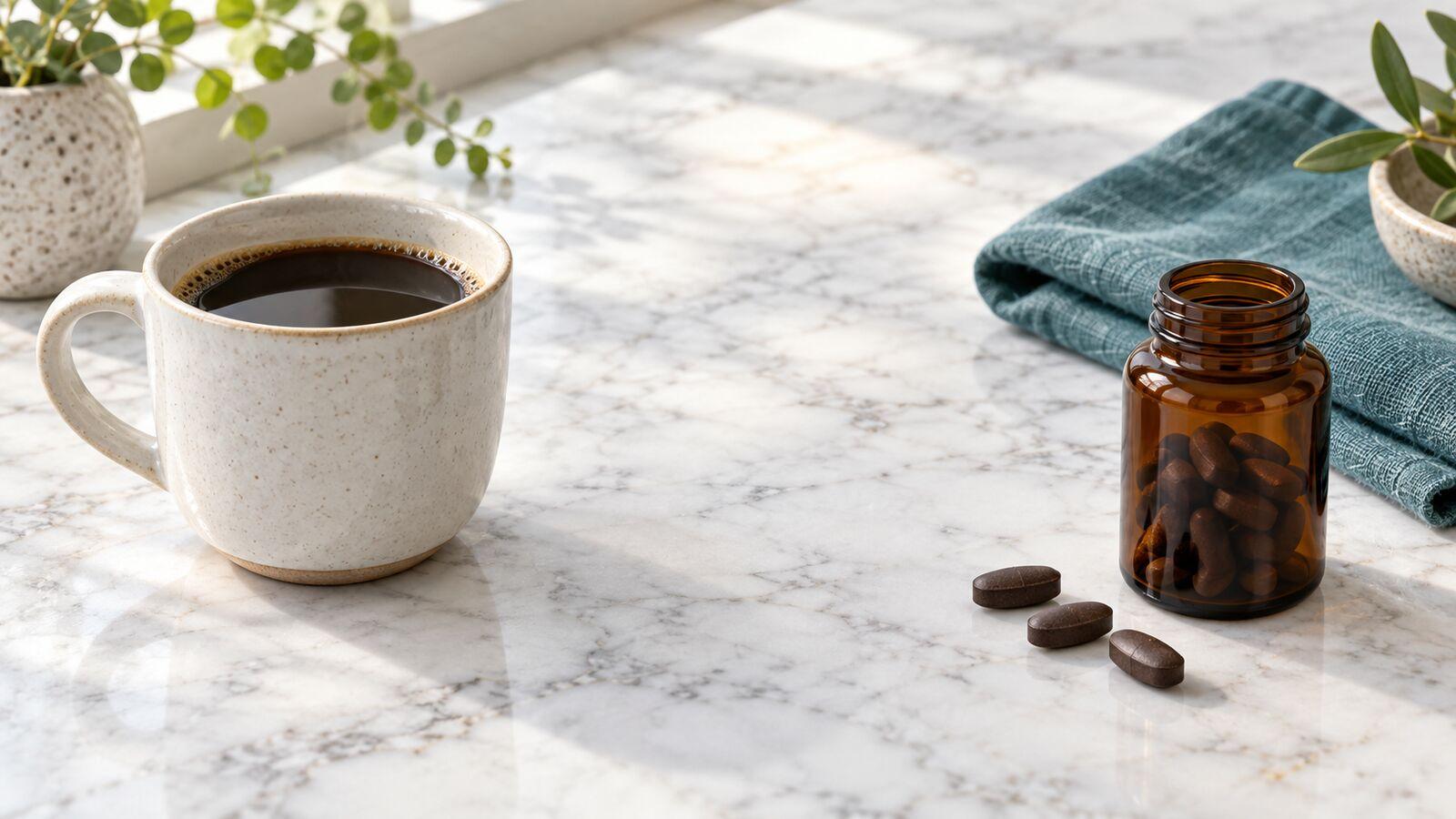
Coffee can reduce iron absorption when it is consumed with iron. The effect matters most for non-heme iron, the form in plant foods and most iron supplements. It does not mean that one cup removes iron already stored in your body, and it does not prove that everyone who drinks coffee will become iron deficient. Timing, your starting iron status, and the rest of your diet determine how useful the interaction is in practice.
What the research actually measured
In a controlled human study, researchers gave iron-replete participants coffee with meals and measured how much non-heme iron from those meals was absorbed. A cup of coffee with a hamburger meal reduced absorption by 39%. With another test meal, drip and instant coffee produced larger reductions, and stronger coffee had a larger effect. Coffee taken one hour before the meal did not reduce absorption, while coffee taken with the meal or one hour afterward did.
That study establishes a real short-term interaction. It does not answer every longer-term question. The participants were not being treated for anemia, the experiment measured absorption from particular meals, and the result does not tell us how much a person's ferritin or hemoglobin will change over months. The body also adjusts iron absorption according to its needs, and meals vary greatly in iron form and composition.
The useful conclusion is narrower: if you are trying to maximize non-heme iron absorption, coffee at the same time is unhelpful. If your iron stores are normal and your diet is varied, a reduced percentage from one meal is less consequential than it is for someone with confirmed deficiency.
It is not simply the caffeine
Coffee contains polyphenols, including chlorogenic acids, that can bind non-heme iron in the digestive tract and make less of it available for absorption. Caffeine is not considered the main explanation. This is why switching to decaf does not automatically solve the problem: decaffeination removes most caffeine, but it does not remove all of coffee's polyphenols.
Tea can have an even stronger effect because of its tannin and polyphenol content. Milk does not reliably turn coffee into an iron-friendly drink either. It adds calcium, another nutrient that can interfere with iron absorption under some conditions.
This distinction matters because "avoid caffeine" is the wrong rule. A caffeine tablet does not have the same composition as coffee, and decaf coffee is still coffee for the purpose of meal timing. The practical target is the drink around the iron dose, not caffeine everywhere in your day.
Heme iron and non-heme iron are different
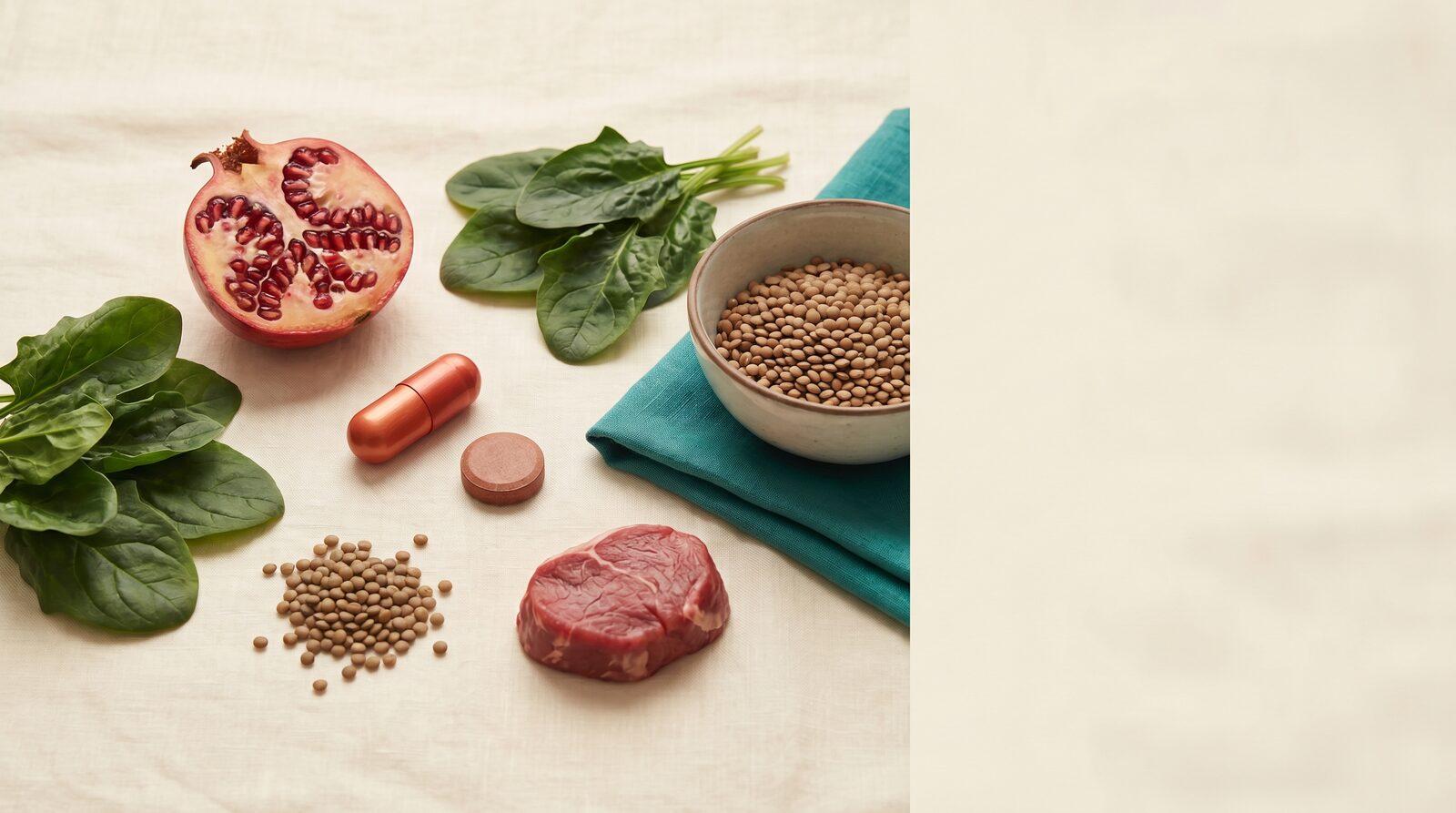
Heme iron, found in meat, poultry, and seafood, is generally absorbed more efficiently and is less affected by the other foods and drinks in the meal.
Non-heme iron is found in beans, lentils, tofu, grains, leafy vegetables, fortified foods, and supplements. Its absorption changes more with the meal. Coffee and tea can reduce it, while vitamin C can improve it. People who rely mainly on plant sources therefore have more reason to pay attention to the composition and timing of an iron-rich meal.
That does not make plant iron inadequate. It means the same meal can be arranged more helpfully: lentils with peppers or citrus, then coffee later, rather than lentils and coffee together. Our iron and vitamin C guide explains that pairing in more detail, and the iron supplement guide covers forms, testing, and precautions.
How long should you wait?
For prescribed ferrous sulfate, the NHS advises leaving a two-hour gap before having coffee or tea. It gives the same spacing advice around iron-rich foods. That is a clear, conservative rule for someone treating or preventing iron deficiency.
A practical schedule could look like this:
| If you take iron | Coffee timing |
|---|---|
| On waking | Have coffee about two hours later |
| Mid-morning | Finish coffee first, then use the timing in your prescription or packet instructions |
| In the evening | Keep the iron dose away from dinner coffee or tea |
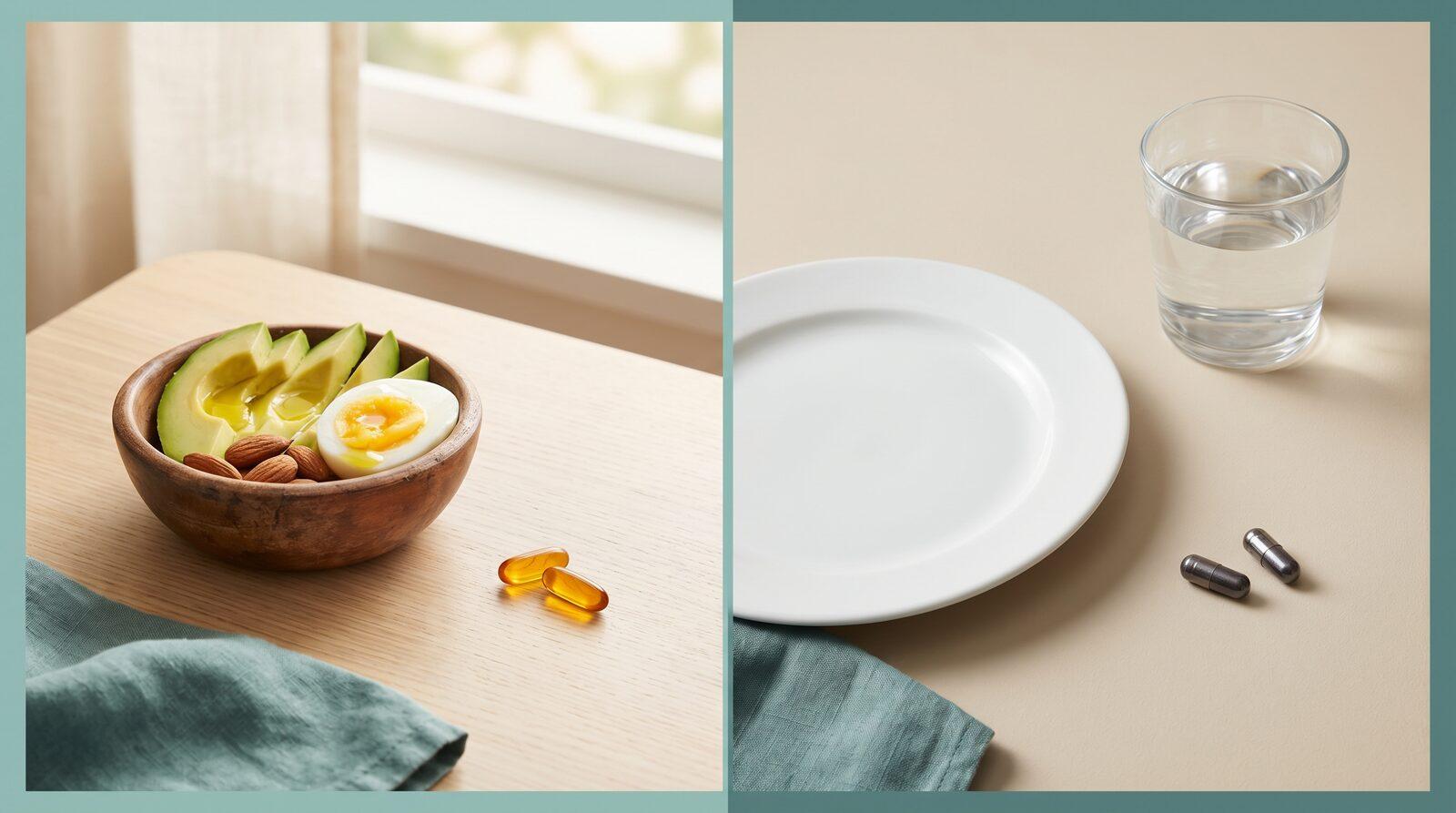
| With food because it upsets your stomach | Choose a small meal without coffee, tea, eggs, or dairy, then wait about two hours |
Do not change a prescribed dose to compensate for coffee. More iron is not a safe workaround for poorer absorption. Follow the clinician's or product's instructions, and ask a pharmacist if the schedule is difficult to fit around other medicines.
For an ordinary iron-rich meal in someone without deficiency, there is less reason to manage the clock precisely. Moving coffee between meals is a simple way to improve absorption without treating every breakfast as a medical procedure.
Who should pay the most attention?
Timing matters more if you have confirmed iron deficiency, low ferritin, iron-deficiency anemia, heavy menstrual bleeding, pregnancy-related iron needs, regular blood donation, or a diet built mainly around non-heme iron. It also matters if a clinician has told you that your response to an iron supplement is slower than expected.
People with normal iron results do not usually need to avoid coffee. The goal is to keep it away from the meals or tablets where iron absorption matters most, not to eliminate it from the day.
If you feel tired, short of breath, weak, unusually cold, or notice restless legs or pica, do not assume coffee is the cause. Those symptoms are not specific to iron deficiency. Blood tests such as a complete blood count and ferritin are more useful than guessing, and our guide to who needs iron supplements explains why iron should not be taken "just in case."
Can vitamin C cancel out coffee?
Vitamin C improves non-heme iron absorption by keeping iron in a form the intestine can take up more easily. Pairing beans, lentils, tofu, fortified cereal, or an iron tablet with a vitamin C source is reasonable. Bell peppers, citrus, kiwi, strawberries, tomatoes, and broccoli all qualify.
But vitamin C is not a licence to wash an iron tablet down with coffee. The size of both effects depends on the dose and the meal, and there is no dependable formula in which a glass of orange juice cancels a particular cup of coffee. Use both levers in the helpful direction: include vitamin C and move coffee away.
What about long-term anemia risk?
Single-meal absorption and long-term iron status are related, but they are not interchangeable. Ferritin changes over weeks or months according to iron intake, losses, absorption across the whole diet, inflammation, and treatment adherence. A short absorption study cannot show that coffee by itself causes anemia in every drinker.
If your ferritin stays low despite taking iron correctly, coffee timing is one useful item to review. So are missed doses, stomach side effects, calcium or antacid timing, blood loss, gastrointestinal conditions, and whether the diagnosis and product are right. That review belongs with a clinician rather than a self-directed dose increase.
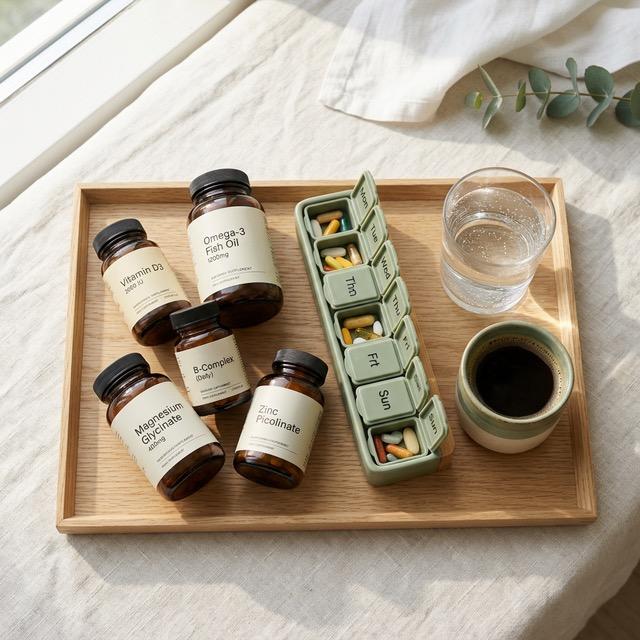
Supplement Tracker can log the iron dose and remind you to take it consistently. Note your first coffee separately for a week. If the times repeatedly overlap, move one event. This is more useful than trying to reconstruct the schedule afterward.
The practical answer
Coffee reduces non-heme iron absorption most clearly when it is taken with an iron-containing meal or supplement. Polyphenols are the main reason, so decaf is not a guaranteed workaround. If you are treating low iron, use a two-hour gap around coffee and tea, follow your prescription, and pair non-heme iron with vitamin C. If your iron status is normal, moving coffee between meals is usually enough.
Sources
- Morck, Lynch, and Cook: Inhibition of food iron absorption by coffee
- NHS: How and when to take ferrous sulfate
- NIH Office of Dietary Supplements: Iron fact sheet for health professionals
This article is for educational purposes and does not constitute medical advice. Use iron supplements only when a qualified healthcare professional or appropriate testing indicates that you need them, and follow the instructions for your specific product or prescription.