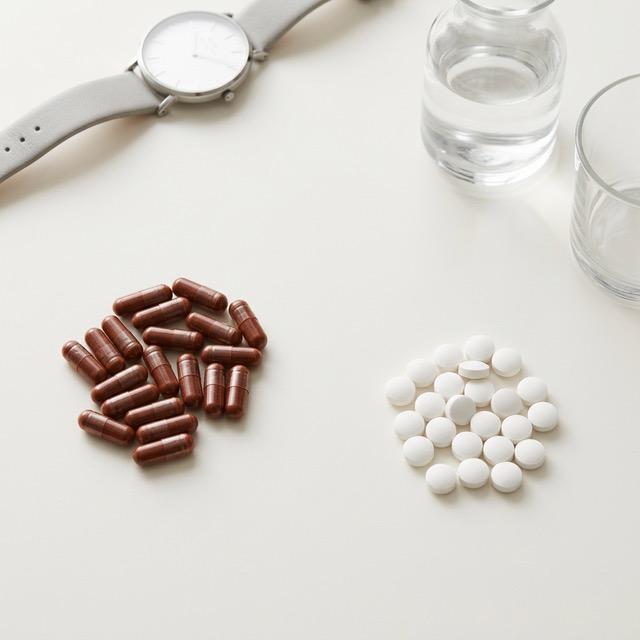
You can take iron and vitamin D together: we found no study showing either one blocks the other's absorption. Early research even hints at a helpful link. In cultured liver and immune cells, vitamin D roughly halved expression of the gene for hepcidin, the hormone that limits iron absorption, and in a small pilot in healthy volunteers, one 100,000 IU dose of vitamin D2 was followed by a 34% drop in hepcidin within 24 hours. We found no trial testing whether vitamin D improves the response to iron supplements. The practical point is timing: vitamin D absorbs better with a fat-containing meal (a 32% higher peak in one study). A simple routine: iron in the morning on an empty stomach or as prescribed, vitamin D with the main meal, and calcium (combination tablets included) kept away from iron.
This content is for informational purposes only and is not a substitute for professional medical advice, diagnosis, or treatment. Always consult your physician or qualified healthcare provider before starting any supplement regimen.
The blood test comes back with two flags: ferritin low, vitamin D low. Now there are two new bottles on the kitchen counter, iron and vitamin D3, and a practical question: can you take iron and vitamin D together, or does each need its own time of day?
Yes. We found no study showing that either one blocks the other's absorption, and one early line of research points in a friendlier direction: vitamin D may lower hepcidin, the hormone that limits how much iron you absorb. That idea rests on cells grown in a lab and a small pilot study, so it is worth knowing about rather than acting on. The catch is timing, and it has nothing to do with the two clashing. Vitamin D absorbs better with a meal that contains fat, while iron is usually taken on an empty stomach, so giving each its own moment of the day suits both.
How They Interact
Some supplements may get in iron's way when they share the same moment in the gut. With calcium, the NIH iron fact sheet says experts recommend taking the two supplements at different times to avoid potential interference with iron absorption. For iron and vitamin D, we found no study documenting that kind of interference in either direction.
The more interesting connection is hormonal. Hepcidin limits iron absorption, so more hepcidin means less iron gets in. A 2014 paper in the Journal of the American Society of Nephrology reported that vitamin D suppresses the hepcidin gene, working through the vitamin D receptor. If that holds in people taking ordinary doses, vitamin D could in principle make iron easier to absorb.
That is a big if. In this study, the mechanism comes from liver and immune cells grown in a dish. The human part is a small pilot in healthy volunteers who took one very large dose of vitamin D2, with the drop in hepcidin reported within 24 hours. The study cannot say whether the same happens in people with low iron, and a lower hepcidin reading is still a step short of the result you care about: more iron absorbed, and ferritin climbing back up.
What the Research Says
Vitamin D and hepcidin. In the 2014 study by Bacchetta and colleagues, two forms of vitamin D (25D and 1,25D) cut hepcidin gene expression in the cultured cells roughly in half (the paper reports about 0.5-fold). In the pilot, a single oral dose of 100,000 IU of vitamin D2 raised blood 25-hydroxyvitamin D from 27 to 44 ng/ml, and circulating hepcidin fell 34% within 24 hours. The authors suggest vitamin D as a potential strategy for anemia in people with low vitamin D, kidney disease, or both.
Vitamin D and fat. Vitamin D is fat-soluble, and the NIH vitamin D fact sheet sums up the practical side: "The concurrent presence of fat in the gut enhances vitamin D absorption, but some vitamin D is absorbed even without dietary fat." A 2015 study in the Journal of the Academy of Nutrition and Dietetics measured the size of the effect. Fifty older adults took a single 50,000 IU dose of vitamin D3 with breakfast. Peak plasma vitamin D3 was 32% higher when the breakfast contained fat than when it was fat-free, and the type of fat made no difference. One dose in one age group is a narrow test, but it agrees with the fact sheet.
The missing trial. We found no trial testing whether taking vitamin D improves the response to iron supplements. Until one exists, the reason to take vitamin D is your own vitamin D level.
Practical Recommendations
This is our suggested routine, not a tested protocol.
- Take iron in the morning on an empty stomach, or on the schedule your prescriber gave you. If the tablet upsets your stomach, ask your prescriber about the timing before you start skipping doses.
- Take vitamin D with a main meal that contains some fat. Lunch or dinner both work; the evidence above concerns fat, and it does not point to a best hour. Even a dose taken without food is partly absorbed. Our guide to the best time to take vitamin D covers morning versus evening.
- Consider vitamin C with the iron. The NIH vitamin C fact sheet notes that vitamin C improves the absorption of nonheme iron; our iron and vitamin C page covers how to pair them.
- Keep calcium away from iron. This is the spacing the NIH iron fact sheet does recommend, and our iron and calcium page covers it in detail.
- Read the vitamin D label for calcium. If your vitamin D is a calcium and vitamin D tablet, time it as a calcium supplement: with the main meal is fine, next to the iron is not.
If one daily moment is all you can manage, taking vitamin D and iron together is not a documented problem. The split is for each supplement's own sake.
Dosage Considerations
Iron: the upper limit for adults is 45 mg a day, according to the NIH iron fact sheet. If your iron was prescribed for a diagnosed deficiency, the dose and schedule are your prescriber's call.
Vitamin D: the upper limit for adults is 100 mcg (4,000 IU) a day, according to the NIH vitamin D fact sheet. The 100,000 IU in the hepcidin pilot was a single research dose, 25 times that daily limit. High single doses like that are a medical protocol, not a daily supplement, so do not copy the pilot at home.
Who should check first:
- People with hemochromatosis or another form of iron overload. Talk to your doctor before taking any iron supplement.
- Anyone taking iron without a confirmed deficiency. Get tested before you start, or before you carry on. Our guide to who actually needs iron supplements explains what to test and why.
Key Takeaway
You can take iron and vitamin D together; we found no documented conflict between them. Vitamin D may even lower hepcidin, but that rests on lab cells and a small pilot, and we found no trial testing whether it helps iron supplements work. The timing that suits both: iron in the morning on an empty stomach or as prescribed, vitamin D with a meal that contains fat, and calcium, combination tablets included, kept away from the iron.
Track Your Timing
Supplement Tracker lets you log iron as a morning dose and vitamin D as a dinner dose, each with its own reminder. When the next blood test comes back, your history shows how consistently you took each one, which is worth knowing before anyone changes a dose.