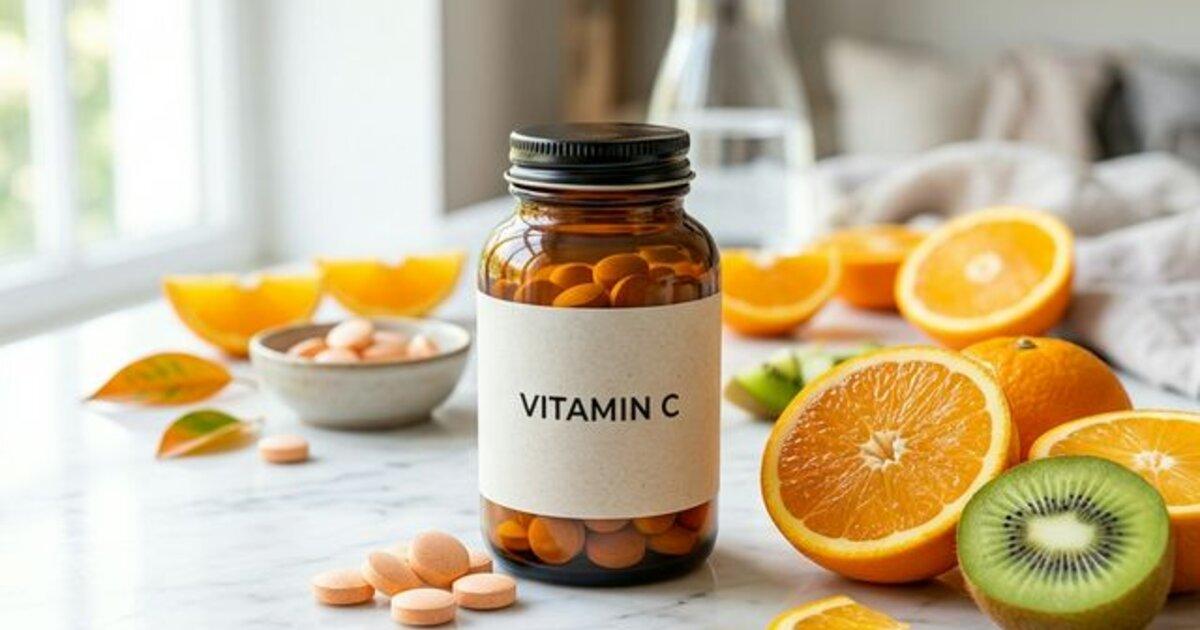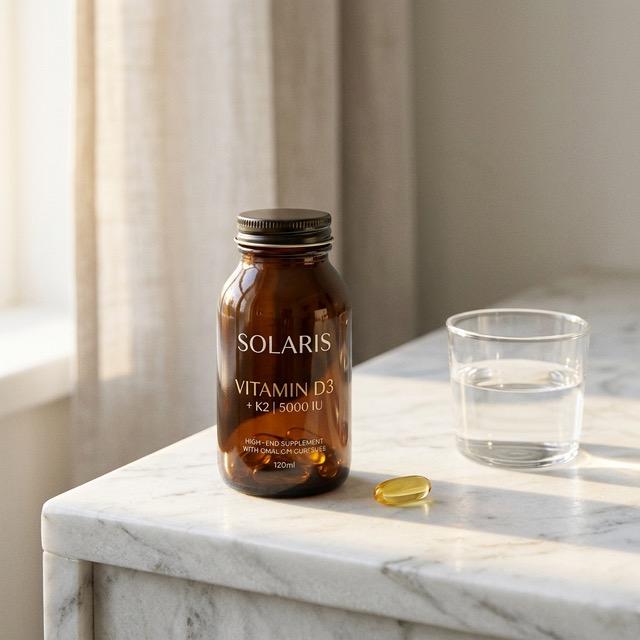
Yes, you can take vitamin C and vitamin D together, at the same time. We found no study showing that either affects the other's absorption, and no study of the pair. The practical difference is fat: vitamin D is fat-soluble, and in a study of 50 older adults given a single 50,000 IU dose of D3, peak plasma vitamin D3 was 32% higher after a breakfast with fat than after a fat-free one. Vitamin C is water-soluble and can go at the same meal. On colds, the NIH vitamin C fact sheet says regular vitamin C might shorten them a little, but starting it once symptoms begin does not appear to help. Adult upper limits: 2,000 mg of vitamin C and 4,000 IU of vitamin D a day. High vitamin C doses can upset the stomach.
This content is for informational purposes only and is not a substitute for professional medical advice, diagnosis, or treatment. Always consult your physician or qualified healthcare provider before starting any supplement regimen.
Check your whole list, not just one pair
Supplement Tracker reminds you of each dose, and its interaction check looks at every supplement you take, with sources from the NIH.
It is Sunday evening and the weekly pill organizer is open on the counter. A vitamin C tablet has gone into every compartment since a cold flattened you last winter, and now a vitamin D3 softgel needs a place as well. Can you take vitamin C and D together, from the same compartment, or does one of them need its own time of day?
Yes, and the same compartment is fine. We found no study showing that vitamin C and vitamin D get in each other's way, and nothing that calls for a gap between them. What matters is when you open the compartment. Vitamin D is fat-soluble and absorbs better with some fat in the meal, so breakfast with eggs suits it better than black coffee on the way out the door. Vitamin C is water-soluble and has no such need, so it can simply go down with the vitamin D.
Do Vitamin C and Vitamin D Interfere?
Not in any way we could find. Vitamin C does change how something else is absorbed, but that something is a mineral. The vitamin C fact sheet from the NIH Office of Dietary Supplements (ODS) notes that it improves the absorption of nonheme iron, which our iron and vitamin C page covers. We found no study showing vitamin C doing anything similar for vitamin D, or vitamin D changing how much vitamin C you absorb.
Nor did we find a study of the two together: no sign of a clash, and no evidence of a bonus. Taking vitamin C and D at the same time is a matter of convenience, with one meal and one reminder covering both.
Where They Differ: Fat
Vitamin C dissolves in water. Vitamin D is fat-soluble, and the ODS vitamin D fact sheet spells out what that means at the table: "The concurrent presence of fat in the gut enhances vitamin D absorption, but some vitamin D is absorbed even without dietary fat."
A 2015 study by Dawson-Hughes and colleagues gives a sense of the size. Fifty older adults each took a single 50,000 IU dose of vitamin D3 with breakfast. Peak plasma vitamin D3 was 32 percent higher when that breakfast contained fat than when it was fat-free, and the type of fat did not matter. That was one large dose in older adults, a long way from a daily softgel taken for months, so the exact 32 percent may not carry over. The direction matches the fact sheet, and for choosing a meal the direction is what counts.
Why People Pair Them
Vitamin C and D tend to come off the shelf together in winter, usually with colds in mind. ODS says vitamin C "plays an important role in immune function," and its summary of the cold research is modest. Taken regularly, vitamin C might make colds a little shorter. Started after symptoms begin, it does not appear to change how long a cold lasts or how bad it gets. So if colds are the reason, the evidence favors a daily habit over a first-sniffle rescue. Our article on vitamin C and colds goes through the trials and doses behind that summary.
Whether vitamin D does anything for colds is a separate question, and not one this page sets out to answer. Since we found no study of the pair, a combined vitamin C and D product is simply two vitamins in one tablet. If you take vitamin C and D for immune support, make it two separate decisions, and let your own vitamin D level drive the second one.
Practical Recommendations
None of this has been tested as a routine; it follows from the fact sheets and the fat study above.
- Take both with a meal that has some fat. Eggs, cheese, nuts or anything cooked in oil should be enough; in the Dawson-Hughes study, the type of fat made no difference. If breakfast is black coffee, move the pair to lunch or dinner.
- Choose the meal you rarely skip. The evidence concerns fat and says nothing about the hour. Our guide to the best time to take vitamin D covers morning versus evening.
- Keep vitamin C to a steady daily dose. Extra grams at the first sniffle are the use ODS says does not appear to help, and high doses can lead to diarrhea, nausea, abdominal cramps and other digestive trouble. If your stomach objects, look at the dose first: a 1,000 mg tablet is already half the adult limit, and a smaller one may sit better.
- If you take iron, give the vitamin C to the iron. That is where ODS describes a benefit, so take it alongside the iron, whenever that is, and give the vitamin D its own meal with fat. Keep a calcium-plus-D tablet away from the iron too: the ODS iron fact sheet says experts recommend taking calcium and iron supplements at different times.
- Count every source. A multivitamin may already hold vitamin C, vitamin D or both. If zinc is part of your winter routine too, our pages on zinc and vitamin C and zinc and vitamin D show where it fits.
Dosage Considerations
Vitamin C: the vitamin C upper limit for adults is 2,000 mg a day, per the ODS vitamin C fact sheet, and it is lower at younger ages (from 400 mg, depending on age). Two 1,000 mg tablets reach it before a multivitamin or a fizzy tablet adds anything.
Vitamin D: the vitamin D upper limit for adults is 4,000 IU (100 mcg) a day, per the ODS vitamin D fact sheet. Labels may use either unit; 1 mcg equals 40 IU, so a 25 mcg softgel holds 1,000 IU. The 50,000 IU in the fat study was a single research dose, not a daily amount to copy.
Who should check first:
- People who have had kidney stones, or have been told they absorb too much iron. ODS lists kidney stones and excess iron absorption among the concerns about vitamin C and says they are "not generally considered a risk in healthy individuals." If either applies to you, do not lean on that reassurance; ask your doctor before taking high doses.
- Anyone whose vitamin D was prescribed. Ask the prescriber before adding a multivitamin or a combined vitamin C and D product, so the total stays within their plan.
- Children. Both 2,000 mg and 4,000 IU are adult limits; check a child's doses with a pediatrician.
Key Takeaway
You can take vitamin C and vitamin D together, at the same time and from the same compartment: we found no conflict between them and no study of the pair. Take them with a meal that has some fat, for the vitamin D's sake, and let the vitamin C come along. Keep adult daily totals within 2,000 mg of vitamin C and 4,000 IU of vitamin D. If colds are the reason for the vitamin C, take it every day, and if you also take iron, the vitamin C belongs with the iron.
Track Your Timing
Supplement Tracker lets you put vitamin C and vitamin D in the same time-of-day slot, with the slot's reminder set for the meal you chose. If the vitamin C goes with an iron tablet instead, move it to the iron's slot, which keeps its own reminder time. Check off each dose as you take it, and the dated history shows whether the habit held through the winter.