N-acetylcysteine (NAC) is a stable precursor to the amino acid L-cysteine, the primary rate-limiting building block for glutathione, the body's master intracellular antioxidant. Clinical evidence is strongest for thinning respiratory mucus in chronic bronchitis, serving as the frontline medical antidote for acetaminophen liver toxicity, and supporting cellular defense when paired with glycine (GlyNAC). Typical oral dosages range from 600 to 1,800 mg per day, ideally split across the day. While traditional guidance favored taking it on an empty stomach, taking NAC with a light meal significantly reduces gastrointestinal upset without sacrificing meaningful absorption. Because chronic antioxidant megadosing can blunt natural cellular signaling, cyclical use (such as 8 to 12 weeks on followed by a short break) is prudent for general wellness users.
Twist open a fresh bottle of N-acetylcysteine, and the first thing you notice is the smell: a sharp, distinct sulfur aroma reminiscent of hard-boiled eggs. For first-time users, that odor is often alarming enough to prompt a quick check of the expiration date.
The pungent smell is completely normal. It comes from the sulfhydryl group at the heart of the molecule, and that exact chemical structure is what makes NAC one of the most versatile, thoroughly investigated compounds in nutritional medicine. It is both an inexpensive dietary supplement and a World Health Organization Essential Medicine stocked in hospital emergency rooms worldwide.
Yet the marketing surrounding NAC often swings between extreme claims: labeled an all-powerful "miracle detoxifier" by wellness influencers on one hand, and treated like an obscure pharmaceutical on the other.
The reality is grounded in biochemistry. NAC does not cure complex diseases overnight, nor is it a generic energy pill. What it does reliably is solve a specific biochemical bottleneck: supplying the rate-limiting amino acid your cells require to manufacture glutathione, your primary internal defense against oxidative damage.
Here is what the clinical evidence actually shows about NAC, who benefits from taking it, how to manage the sulfur odor and stomach upset, and how to structure a rational daily protocol.
What NAC Actually Does in Your Body
To understand NAC, you have to understand glutathione. Often referred to by biochemists as the body's "master antioxidant," glutathione is a tripeptide produced inside your cells from three amino acids: glutamic acid, glycine, and cysteine.
Under ordinary conditions, your body has ample supplies of glutamic acid and glycine. Cysteine is the bottleneck. When cellular cysteine runs low, glutathione production stalls, leaving cells vulnerable to oxidative stress, mitochondrial decay, and accelerated cellular aging.
Supplemental L-cysteine by itself is unstable and poorly absorbed in the gastrointestinal tract. N-acetylcysteine solves this problem by attaching an acetyl group to cysteine. This modification protects the molecule during digestion, allowing it to enter cells efficiently where enzymes cleave the acetyl group, freeing cysteine directly for glutathione synthesis.
Beyond glutathione production, NAC exerts three distinct physiological actions:
- Direct Mucolytic Action: NAC contains a free sulfhydryl group that chemically breaks the disulfide bonds holding mucoproteins together. This thins thick, sticky mucus in airways and sinuses, making it easier to expel.
- Glutamate Modulation: In the brain, NAC crosses the blood-brain barrier and activates the cystine-glutamate antiporter (system xc-). This regulates extracellular levels of glutamate, the brain's primary excitatory neurotransmitter, preventing excitotoxicity and dampening compulsive neurological signaling.
- Nitric Oxide Regulation: By protecting vascular endothelial cells from oxidative damage, NAC helps preserve the bioavailability of nitric oxide, supporting healthy microvascular blood flow.
A landmark review published in PubMed Central confirmed that NAC's primary therapeutic value lies in maintaining this cellular redox balance, particularly during states of elevated physiological or environmental stress.
Where the Evidence Is Strongest
Unlike many trendy wellness ingredients that rely on rodent models, NAC has decades of human clinical trials evaluating its efficacy. The evidence is most convincing in three distinct categories.
1. Respiratory and Lung Health
NAC was originally developed as a prescription mucolytic medication, and its respiratory benefits remain its most established clinical application.
In chronic obstructive pulmonary disease (COPD) and chronic bronchitis, oxidative stress drives persistent inflammation and excessive mucus production. A large systematic review and meta-analysis published in the European Respiratory Review evaluated multiple randomized trials of long-term oral NAC. The researchers found that regular daily doses of 1,200 mg (split into 600 mg twice daily) significantly reduced the frequency of acute exacerbations and improved symptom control compared to placebo.
For everyday wellness, NAC can provide practical relief during upper respiratory infections, seasonal chest congestion, and chronic post-nasal drip by thinning stubborn secretions.
2. Liver Protection and Acetaminophen Overdose
NAC is the undisputed gold-standard medical antidote for acetaminophen (Tylenol) poisoning. When acetaminophen is metabolized by the liver, a small percentage converts into a toxic, reactive intermediate called NAPQI. Normally, liver glutathione quickly neutralizes NAPQI. In an overdose, hepatic glutathione stores are wiped out, allowing NAPQI to destroy liver cells.
Administering NAC intravenously or orally rapidly replenishes hepatic glutathione, neutralizing the toxic metabolite and preventing irreversible liver failure if given promptly.
While everyday supplementation is not the same as treating an acute overdose, this mechanism demonstrates how directly NAC supports hepatic detoxification pathways. If you take medications that stress the liver, consume alcohol, or face occupational toxin exposures, NAC provides targeted nutritional support for phase II liver conjugation. For a broader look at liver wellness, see our breakdown of liver detox supplements and what actually works.
3. The GlyNAC Longevity Connection
One of the most exciting developments in modern nutritional research is the GlyNAC protocol: combining N-acetylcysteine with the simple amino acid glycine.
As we age, intracellular glutathione levels naturally decline by up to 50 percent, contributing to mitochondrial dysfunction, chronic low-grade inflammation, and muscle loss. In a series of clinical trials led by researchers at Baylor College of Medicine, including a randomized controlled trial published in The Journals of Gerontology, older adults given a combination of glycine and NAC for 16 weeks demonstrated remarkable improvements:
- Restoration of intracellular glutathione to youthful levels
- Reductions in oxidative stress biomarkers and systemic inflammation (IL-6, TNF-alpha)
- Improvements in mitochondrial fuel oxidation, gait speed, muscle strength, and cognitive scores
When the participants stopped taking the combination, these biomarkers reverted toward baseline within several weeks, indicating that ongoing, consistent supply is required. You can explore our dedicated reference on glycine to understand its companion role in this pairing.
Where Evidence Is Mixed: Mental Health and Neurobiology
Because NAC modulates glutamate and reduces neuroinflammation, psychiatrists and neuroscientists have spent the past decade studying its effects on obsessive-compulsive disorder (OCD), grooming disorders (such as trichotillomania and skin picking), anxiety, and addiction cravings.
A systematic review in Neuroscience & Biobehavioral Reviews found that NAC shows promising adjunctive benefits in reducing compulsive behaviors and easing symptoms of treatment-resistant OCD and depression. Doses in psychiatric trials are generally higher, ranging from 2,000 to 3,000 mg daily over a minimum of 12 to 16 weeks.
However, NAC is an adjunct, not a monotherapy or a quick fix for acute anxiety. It requires several months of consistent use to alter glutamate balance in brain circuits. If you are exploring supplements for mental well-being, read our guide to supplements for stress and anxiety for a broader view of evidence-backed options.
What NAC Does Not Do: Debunking Common Myths
Because of NAC's clinical reputation, supplement marketing frequently overstates what it can accomplish:
- It is not an instant hangover eraser: While taking NAC before drinking can theoretically help cushion liver glutathione, taking NAC after alcohol consumption has already ended may actually exacerbate oxidative stress according to animal studies. Furthermore, NAC cannot prevent alcohol's direct toxic effects on the brain or gastrointestinal tract. For more on this, see our guide on supplements and alcohol.
- It is not an indiscriminate cancer shield: While physiological antioxidant balance protects healthy cells from DNA damage, research suggests that megadosing synthetic antioxidants when precancerous or cancerous cells are already present can inadvertently protect those aberrant cells from immune destruction. High-dose antioxidant supplementation should never be used as self-directed cancer prevention.
- More is not better: Intracellular redox biology requires a delicate equilibrium. Your cells intentionally use reactive oxygen species (ROS) as vital signaling molecules for muscle repair, immune defense, and vascular tone. Completely suppressing oxidative signaling through excessive antioxidant intake can blunt the fitness gains of resistance training.
Dosage, Timing, and the Sulfur Smell
Getting the practical details right makes the difference between a successful protocol and a bottle abandoned in your medicine cabinet.
Recommended Doses
- General Wellness and Antioxidant Support: 600 mg once daily.
- Respiratory and Mucus Support: 600 mg twice daily (1,200 mg total).
- Targeted Clinical Protocols (Liver support, GlyNAC, Psychiatric trials): 1,200 to 1,800 mg daily, divided into two or three 600 mg doses. Doses above 2,000 mg should be managed under clinical supervision.
With Food vs. Empty Stomach
Traditional pharmacology textbooks often suggest taking amino acids on an empty stomach to avoid competition with dietary protein. However, NAC is an acidic molecule with an active thiol group that frequently causes nausea, stomach cramps, or acid reflux when taken without food.
In practice, taking NAC alongside a light meal or carbohydrate-containing snack solves almost all gastrointestinal complaints without meaningfully impairing its long-term ability to raise glutathione. Consistency over months matters far more than theoretical peak absorption within minutes. For a deeper breakdown of supplement scheduling, check our guide on which supplements to take with food versus an empty stomach.
Managing the Smell and Storage
The sulfur smell does not indicate that your capsules have gone bad; it is the natural odor of pure N-acetylcysteine. To minimize the odor:
- Keep the desiccant packet inside the bottle.
- Seal the lid tightly immediately after each use to prevent ambient moisture from accelerating surface oxidation.
- Store the bottle in a cool, dry cabinet away from bathroom steam and kitchen heat.
- If the taste or smell triggers nausea, look for enteric-coated tablets or take your capsules with a small glass of chilled citrus juice.
Safety, Side Effects, and Smart Cycling
NAC has an excellent safety record in human trials dating back more than 50 years, but it is not completely free of side effects.
Common Side Effects
- Gastrointestinal symptoms: Mild nausea, heartburn, flatulence, or loose stools are the most frequent complaints, especially at doses exceeding 1,200 mg per day. Splitting the dose or taking it with food usually resolves the issue.
- Dry mouth or throat: Occasional dryness can occur due to its mucolytic action. Drink plenty of water throughout the day.
- Unpleasant odor in breath or sweat: High daily doses can occasionally cause a faint sulfur odor in perspiration.
Cautions and Contraindications
- Asthma: While oral NAC generally benefits chronic bronchitis, inhaled or high-dose oral NAC can trigger bronchospasm in a small subset of individuals with severe, hyperreactive asthma. Monitor your breathing closely if you have reactive airway disease.
- Nitroglycerin Interactions: NAC can potentiate the vasodilatory effects of nitroglycerin, causing severe headaches or a sudden drop in blood pressure. Never combine them without physician guidance.
- Histamine Sensitivity: NAC can temporarily inhibit the activity of diamine oxidase (DAO), the intestinal enzyme responsible for breaking down histamine. Those with documented histamine intolerance should proceed cautiously.
Why You Should Cycle NAC
Unlike essential vitamins that require continuous daily intake, NAC is an active metabolic modulator. Long-term continuous antioxidant supplementation can downregulate your body's own antioxidant defense machinery (specifically the Nrf2 pathway), leading to a state of cellular complacency.
For general wellness users, a rational cycling schedule prevents this adaptation:
- Standard Cycle: 8 to 12 weeks of continuous use, followed by a 2- to 4-week break.
- Intermittent Schedule: 5 days on, 2 days off every week (e.g., weekdays on, weekends off).
- Targeted Pulse: Taking 600 to 1,200 mg daily only during periods of acute respiratory exposure, intense travel, or elevated physical stress, then stopping once the stressor resolves.
How to Track Your NAC Protocol
Because NAC works at the intracellular level, its benefits are progressive rather than immediate. You will not experience a sudden stimulant rush or sensory tingling like you might with beta-alanine or caffeine.
To run an honest personal trial:
- Establish your baseline: Note any persistent issues with morning sinus congestion, workout recovery time, digestive sensitivity, or respiratory ease.
- Start low for week one: Begin with a single 600 mg capsule daily taken with breakfast to verify stomach tolerance.
- Move to your target dose in week two: If well tolerated, increase to 600 mg twice daily (morning and afternoon with food).
- Log adherence and symptoms consistently: Track missed doses, meal timing, and any digestive changes daily.
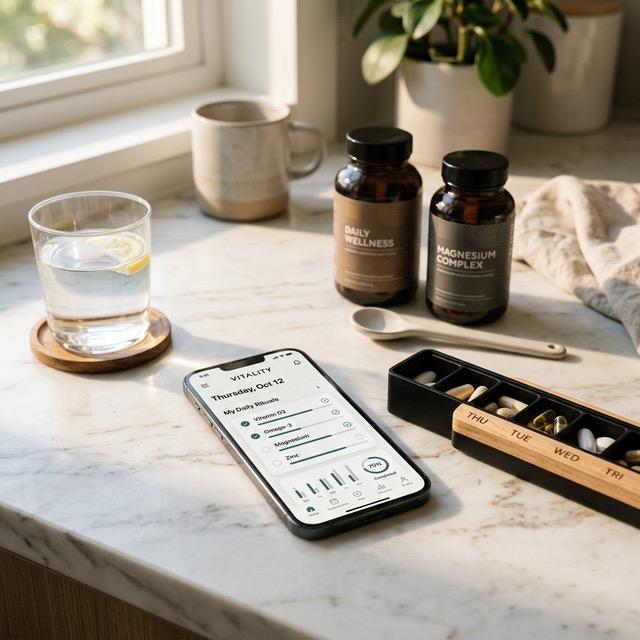
Using Supplement Tracker allows you to schedule your split doses, set reminders that anchor them to meals, and record adherence accurately so you know whether you actually followed the protocol. For a complete methodology on running self-experiments, see our guide to tracking your supplements consistently.
After eight weeks of consistent use, review your notes. If you observe tangible improvements in respiratory comfort, post-exercise recovery, or seasonal resilience, the supplement has earned its spot in your cyclical stack.
Summary Checklist
- What it does: Delivers bioavailable L-cysteine, the rate-limiting building block for your body's primary intracellular antioxidant, glutathione.
- Top uses: Thinning respiratory mucus in chronic bronchitis and sinus congestion, liver defense, and healthy aging when paired with glycine (GlyNAC).
- Target dose: 600 mg daily for maintenance; 1,200 mg daily (split 600 mg twice daily) for targeted respiratory and cellular support.
- Best timing: Take with meals or a snack to eliminate stomach upset.
- Cycling: Run 8 to 12 weeks on, followed by 2 to 4 weeks off for optimal endogenous cellular defense.
- The sulfur smell: Completely harmless and natural: keep the bottle dry and sealed tightly.
This article is for educational purposes and does not constitute medical advice. Talk to a qualified healthcare provider before starting any new supplement, especially if you are pregnant or breastfeeding, have a medical condition, or take prescription medications.