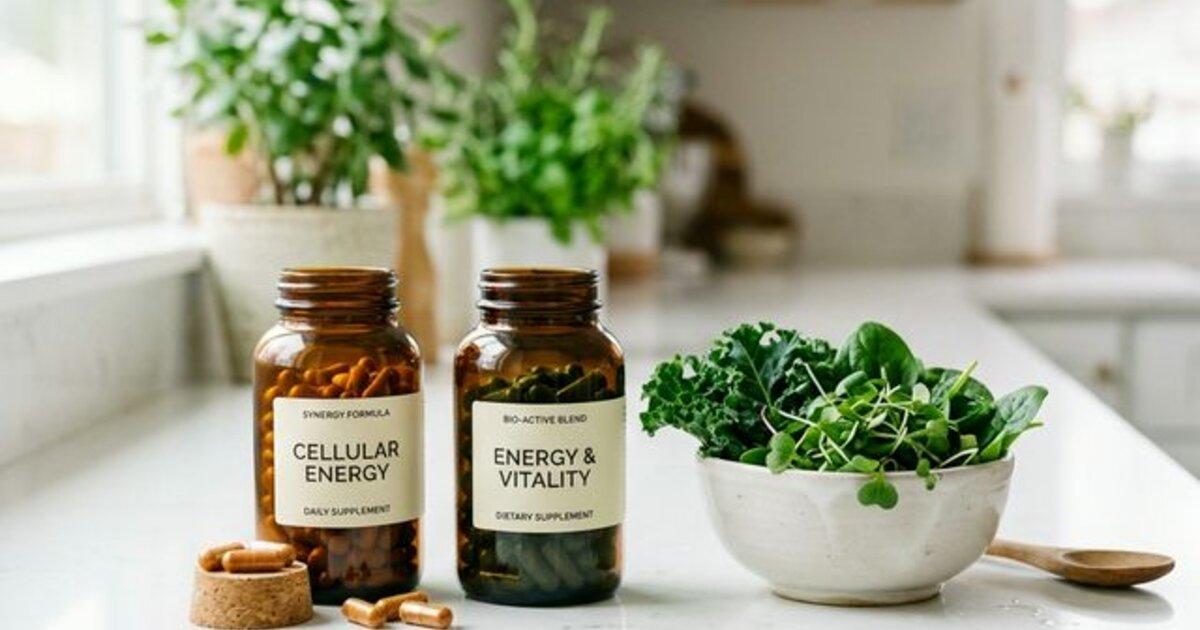
You can take iron and vitamin B12 together, at the same time if that suits you. The NIH Office of Dietary Supplements iron fact sheet does not list B12 as something that blocks iron, and its B12 fact sheet does not mention iron at all, so we found no reason to space them. They are often prescribed together because they fix different problems: iron deficiency causes a microcytic anemia with small red blood cells, while B12 deficiency causes megaloblastic anemia with large ones, and a person can have both. One condition, autoimmune gastritis, tends to cause iron deficiency first and B12 depletion years later. The spacing that matters is elsewhere: calcium away from iron, and levothyroxine 4 hours from iron. Adult upper limit for iron is 45 mg a day; B12 has none.
This content is for informational purposes only and is not a substitute for professional medical advice, diagnosis, or treatment. Always consult your physician or qualified healthcare provider before starting any supplement regimen.
Pair checker
Can I take these together?
Yes, you can take iron and vitamin B12 together, even at the same time: no absorption conflict is documented.
Why
The NIH iron fact sheet does not list B12 among the things that hinder iron absorption, and the B12 fact sheet does not mention iron. They are often paired because they correct different anemias: iron deficiency makes small red cells, B12 deficiency large ones, and a person can have both.
Timing
Take them together if that is easiest. Keep calcium away from the iron, and keep iron 4 hours away from levothyroxine.
Sources
Check your whole list, not just one pair
Supplement Tracker checks every supplement you take against the others and reminds you of each dose at its own time.
A blood test for tiredness comes back with low ferritin and a low B12 level, and suddenly there are two bottles to fit into the day: iron and vitamin B12. The question that follows is a practical one: can you take iron and B12 together, or does each need its own slot?
Yes, you can take them together, even in the same moment. We found no documented absorption conflict between the two in either NIH fact sheet, and no study showing that one weakens the other. The reason they show up side by side so often has nothing to do with chemistry in the gut: they treat different kinds of anemia, and some people have both at once.
Do Iron and B12 Interfere?
Not according to the sources we checked. The NIH Office of Dietary Supplements (ODS) iron fact sheet names the things that can get in iron's way: calcium supplements (experts recommend taking calcium and iron at different times), proton pump inhibitors, phytate in grains and beans, and certain polyphenols. B12 is not on that list. The fact sheet also notes that iron supplements may interact with levodopa and levothyroxine, again with no mention of B12.
The ODS vitamin B12 fact sheet does not mention iron at all. B12 from food is bound to protein and needs stomach acid and a protein-digesting enzyme to release it; it then binds to intrinsic factor, a protein made in the stomach, and is absorbed further down the gut. With no shared step documented and no conflict reported, there is nothing that calls for a gap in hours.
Why They Are Often Taken Together
Iron and B12 both matter for red blood cells, but a shortage of each looks different under the microscope.
- Iron deficiency leads to what the iron fact sheet calls a "microcytic, hypochromic anemia": small red blood cells with low hemoglobin.
- B12 deficiency leads to the "hallmark megaloblastic anemia", in the words of the B12 fact sheet: large, abnormally formed red blood cells, sometimes with low white cell and platelet counts too.
The iron fact sheet adds that although iron deficiency is the most common cause of anemia, deficiencies of other micronutrients such as folate and vitamin B12 can cause different forms of anemia or make them worse. That is why a doctor may test for both before deciding what to prescribe.
A mixed deficiency can also hide itself. When iron deficiency is present alongside B12 deficiency, the large red blood cells that usually point to B12 may not show up. A 2007 study of 20 patients with megaloblastic anemia but no enlarged cells found that coexisting iron deficiency, thalassemia trait or chronic illness had masked the usual sign. A normal cell-size result alone does not rule out a second deficiency.
What the Research Says
One cause, two deficiencies. Autoimmune gastritis, an immune attack on the stomach lining, can lead to both. In a 2006 study in the journal Blood, researchers followed 160 people with the condition. Eighty-three presented with iron deficiency anemia, and they were on average 21 years younger than those with large-cell anemia (41 versus 62 years). Across age groups, average cell size rose from 68 to 95 fl while B12 levels fell from 392 to 108 pg/mL. The authors describe a progression from iron deficiency in younger patients to B12 depletion later in life.
Medicines that affect both. Long-term acid reducers appear on both fact sheets. The iron sheet says proton pump inhibitors reduce stomach acidity and can reduce iron absorption. The B12 sheet says gastric acid inhibitors, which include proton pump inhibitors and H2 blockers, can interfere with B12 absorption from food and lead to deficiency. It also says metformin might reduce B12 absorption and significantly lower blood B12. If you take any of these regularly, the sheets advise discussing your iron and B12 status with your health care provider.
Vitamin C. Many iron routines include vitamin C, which the iron fact sheet says enhances the bioavailability of nonheme iron. The current ODS B12 fact sheet lists no interaction between B12 and vitamin C, so adding vitamin C to the iron dose does not call for moving the B12. Our iron and vitamin C page covers that pairing.
The missing trial. We found no study that tested iron and B12 taken together against taken apart.
FAQ
Can I take iron and B12 at the same time?
Yes. Neither NIH fact sheet lists a conflict, so taking them in the same moment is fine. If your iron was prescribed with specific timing, follow that.
Should I take iron and B12 in the morning or at night?
We found no source that names a best hour for either one in relation to the other. Pick the time you will remember, and plan the iron around calcium and any thyroid medicine.
Does vitamin C affect B12 if I take it with my iron?
The current ODS B12 fact sheet lists no interaction with vitamin C. Vitamin C helps nonheme iron absorption, so keeping it with the iron makes sense.
Can B12 fix iron deficiency anemia, or iron fix B12 deficiency?
No. They correct different deficiencies, which is why a blood test should show which one you have, or whether you have both.
Practical Recommendations
This is our suggested routine, based on the sources above, not a tested protocol.
- Take them together if that is easiest. One moment of the day is fine for this pair.
- Keep calcium away from the iron. This is the spacing the iron fact sheet does recommend; our iron and calcium page explains it.
- Keep levothyroxine 4 hours from iron. The iron fact sheet notes advice against taking levothyroxine within 4 hours of iron supplements.
- Do not let B12 replace the test. Our guides to who needs iron supplements and who actually needs B12 cover which tests to ask for.
- If you also take folate, have your B12 checked; our B12 and folate page explains why.
Dosage Considerations
Iron: the adult upper limit is 45 mg a day, according to the iron fact sheet, and doses of 45 mg or more may cause stomach side effects such as nausea and constipation. Doctors sometimes prescribe more than the upper limit to treat iron deficiency anemia; in that case the dose is your prescriber's call.
Vitamin B12: there is no upper limit. The B12 fact sheet says it is generally considered safe even at high doses. B12-only supplements typically contain 500 to 1,000 mcg, and only about 2% of a 500 mcg dose and 1.3% of a 1,000 mcg dose is absorbed, which is why the amounts look so large next to the adult requirement of 2.4 mcg.
Who should check first:
- People with hemochromatosis or another iron overload condition. Talk to your doctor before taking iron.
- People on metformin or a long-term acid reducer. Ask about checking both levels, and keep taking the medicine as prescribed.
- Vegans and vegetarians. The B12 fact sheet lists them among the groups at higher risk of low B12.
Key Takeaway
You can take iron and vitamin B12 together; neither NIH fact sheet documents a conflict, and we found no reason to space them. They are paired because they correct different anemias that can occur together, sometimes from one cause such as autoimmune gastritis. The timing that matters is iron's own: away from calcium, and 4 hours from levothyroxine.
Track Your Timing
Supplement Tracker lets you schedule iron and vitamin B12 as separate entries, each with its own reminder, or put them in the same slot. When your next blood test comes back, your log shows how consistently you took each one.