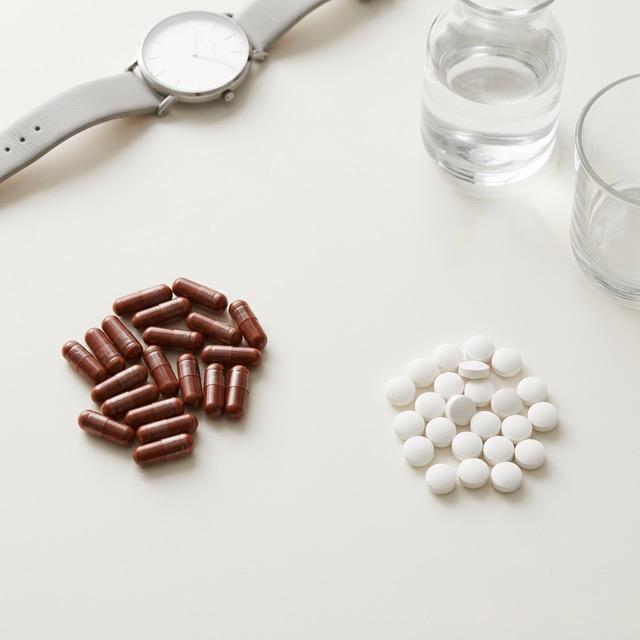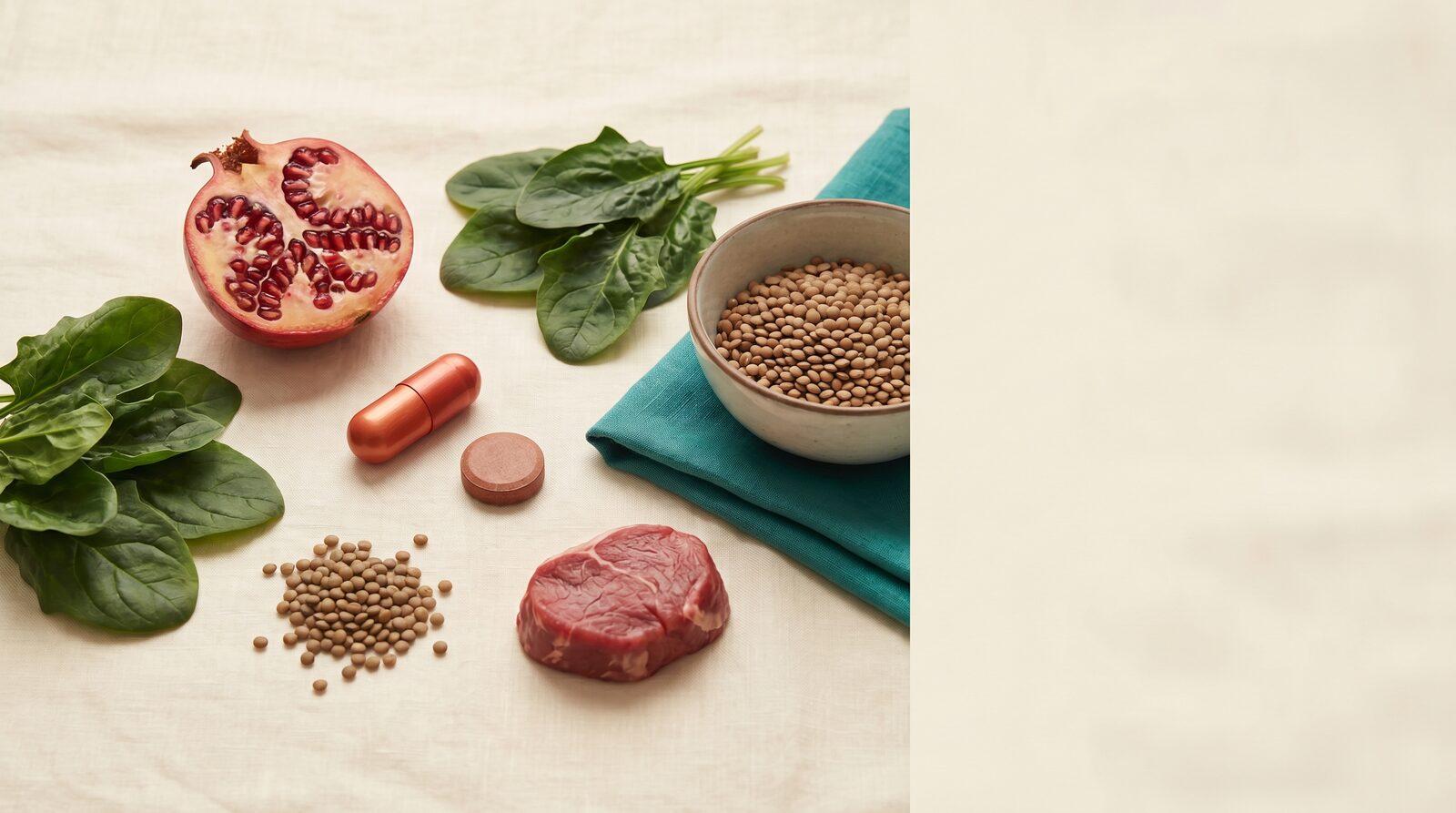
Yes, you can take iron and omega-3 (fish oil) together. We found no study showing that either blocks the other's absorption, and no documented conflict between them. The practical point is timing: iron is often taken on an empty stomach or on a prescribed schedule, fish oil with a meal, so they usually land at different times. If you take iron with food, the fish oil can share that meal. Iron's documented pairings involve other supplements: vitamin C improves absorption of nonheme iron, and experts recommend taking calcium supplements at a different time. For adults, the iron upper limit is 45 mg a day, and up to about 5 g a day of EPA plus DHA appears safe long term. Test before taking iron without a confirmed deficiency, and ask your provider before adding fish oil to an anticoagulant.
This content is for informational purposes only and is not a substitute for professional medical advice, diagnosis, or treatment. Always consult your physician or qualified healthcare provider before starting any supplement regimen.
Check your whole list, not just one pair
Supplement Tracker reminds you of each dose, and its interaction check looks at every supplement you take, with sources from the NIH.
The iron tablets your doctor prescribed came with a pharmacy label: take on an empty stomach. The fish oil you have taken for years says to take it with a meal. Now both bottles stand on the same kitchen shelf, and you have read enough about iron to know that plenty of things get in its way. Can you take iron and omega-3 together, or is fish oil one of those things?
Yes, you can take both. We found no study showing that either one blocks the other's absorption, and no documented conflict between them. The two labels explain most of the routine, and neither is warning you about the other. Iron is often taken on an empty stomach, or on whatever schedule a prescriber sets, while fish oil goes with food. So on most days they land at different times anyway, and if you take your iron with a meal, the fish oil can share it.
Do Iron and Omega-3 Interfere?
Nothing we found says they do. The iron fact sheet from the NIH Office of Dietary Supplements (ODS) notes that iron and zinc compete for absorption, and that experts recommend taking calcium and iron supplements at different times. For fish oil, the ODS omega-3 fact sheet flags a different kind of interaction, with anticoagulant drugs such as warfarin (more on that below). Neither warning involves the other supplement.
Fish oil is a fat, not a mineral, and the spacing advice above concerns calcium and zinc. An absence of evidence is not proof that nothing ever happens, but we found no reason to keep the two apart. Nor do we claim they do more as a pair; the case for each rests on why you take it.
What Each One Needs
Iron is the one with rules. Our iron guide suggests taking it in the morning on an empty stomach; if a prescriber gave you a different schedule, theirs comes first. What goes down with it matters too. The ODS vitamin C fact sheet notes that vitamin C improves the absorption of nonheme iron, so a vitamin C tablet or a glass of orange juice makes a sensible partner; our iron and vitamin C page covers the pairing.
Fish oil asks for less. Our omega-3 guide suggests taking it with a meal that contains some fat, and finds no strong reason to prefer morning or evening. ODS describes the commonly reported side effects of omega-3 supplements as usually mild. Heartburn and nausea are among them, which is worth remembering if you start fish oil and iron in the same week.
Put together, those habits keep the pair apart without any planning: iron before breakfast, fish oil with lunch or dinner. That gap exists for each supplement's own sake, not to stop them from clashing.
Practical Recommendations
Iron supplement timing is the part that needs a plan; the fish oil fits around it. This is our suggested routine, not a tested protocol.
- Take iron as prescribed, or in the morning on an empty stomach. If an empty stomach does not agree with you, ask your prescriber about taking it with food before you start skipping doses. Vitamin C alongside it is optional and may help.
- Take fish oil with food. Any meal with some fat will do. Lunch or dinner is the no-thought option, hours away from a morning iron dose.
- If your iron goes with a meal, let the fish oil share it. We found no reason to separate them, so one breakfast routine can cover both.
- Keep calcium and zinc supplements away from the iron. Calcium and vitamin D combination tablets count as calcium. If your dinner stack holds fish oil and a calcium tablet, the calcium is the reason to keep that stack clear of the iron, not the fish oil. Our pages on iron and calcium and zinc and iron cover the gaps.
- Start one at a time. If both are new, give the first a few days before adding the second. If the fish oil has agreed with you for months and your stomach objects once the iron starts, the order of events points at the iron; raise it with your prescriber rather than quietly dropping doses.
If one daily moment is all your routine can hold, taking iron and fish oil together is not a documented problem. The open question is whether your iron can go with food, and that one belongs to your prescriber.
Dosage Considerations
Iron: the upper limit for adults is 45 mg a day, according to the ODS iron fact sheet. Add up every product with iron on its label, a multivitamin included. If your iron was prescribed for a diagnosed deficiency, the dose is your prescriber's call.
Omega-3: ODS cites the European Food Safety Authority's view that EPA and DHA supplements appear safe long term at combined doses up to about 5 g a day. The FDA considers supplements providing no more than 5 g a day of EPA and DHA safe when used as recommended. Both figures count EPA plus DHA, not the weight of the oil, and our omega-3 dosage guide shows how to read them off a label. Treat 5 g as an upper bound, not a target: in two large trials described by ODS, people with or at high risk of cardiovascular disease who took 4 g a day for several years had a slightly higher risk of atrial fibrillation, a type of irregular heartbeat.
Vitamin C, if you add it: the adult upper limit is 2,000 mg a day, per the ODS vitamin C fact sheet, and high doses can cause diarrhea, nausea and abdominal cramps.
Who should check first:
- Anyone taking iron without a confirmed deficiency. A blood test before you start, or before the next bottle, tells you whether you need iron at all. Our guide to who actually needs iron supplements covers what to test.
- Anyone taking an anticoagulant such as warfarin. ODS notes that fish oil can have antiplatelet effects at high doses and might raise INR (a blood test of clotting time) in people on warfarin, though most research indicates that 3 to 6 g of fish oil a day does not significantly affect their anticoagulant status. Talk to your provider before starting; our page on fish oil and blood thinners has more.
Key Takeaway
You can take iron and omega-3 together. We found no documented conflict between omega-3 and iron, and nothing showing either one blocking the other's absorption. Each one's own needs shape the routine: iron often on an empty stomach or as prescribed, with vitamin C if you like and away from calcium supplements; fish oil with food. That usually puts them at different times of day without effort, and when iron goes with a meal, the fish oil can share it. The numbers to remember for adults are the iron upper limit of 45 mg a day and about 5 g a day of EPA and DHA as a long-term ceiling.
Track Your Timing
Supplement Tracker sorts supplements into time-of-day slots, each with its own reminder time, so iron can live in a morning slot and fish oil in a dinner slot. Check each dose off as you take it. The dated history then shows which mornings you actually took the iron, worth having on hand if your iron levels are slow to come up.